In manufacturing and construction industries where steel materials are ubiquitous, efficient and precise cutting has always been a focal point. Tungsten carbide saw blades, with their exceptional hardness and wear resistance, have recently emerged as a preferred solution. But can these blades truly cut through steel like butter? Experts in materials science and industry veterans provide insights into their capabilities, applications, and limitations.
The "Hard" Advantage of Tungsten Carbide
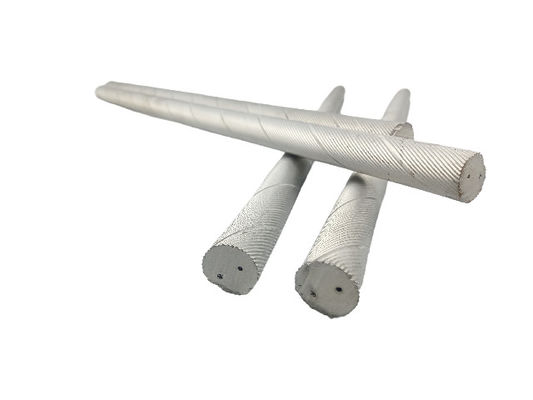
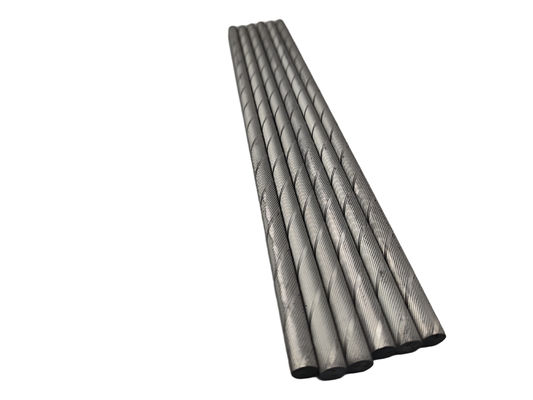
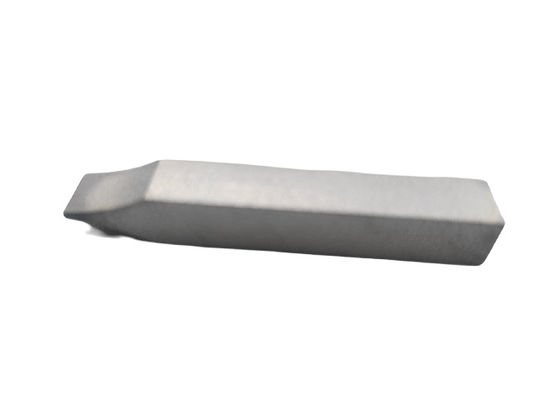
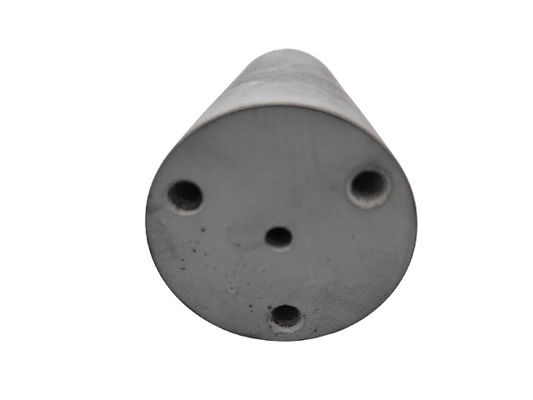
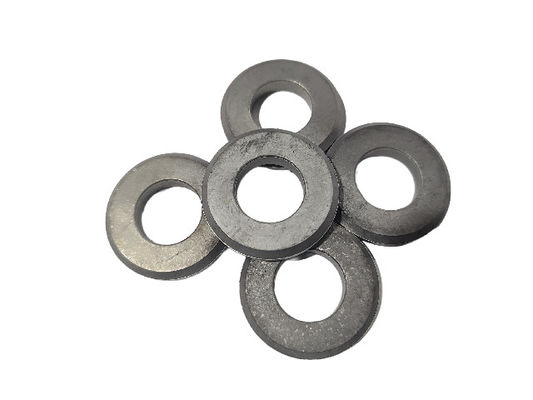
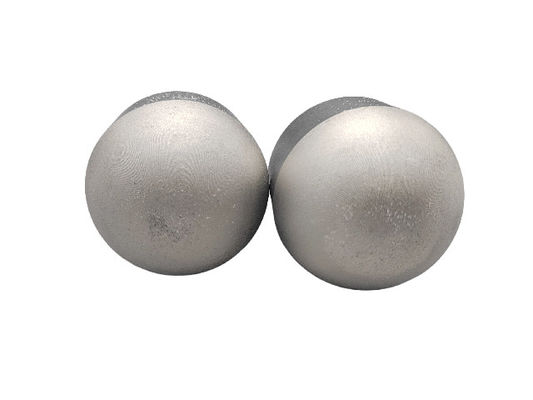
Tungsten carbide, also known as cemented carbide, is a composite material consisting of hard phases (typically tungsten carbide) and binder phases (usually cobalt). The tungsten carbide provides extreme hardness that can challenge high-strength materials, while cobalt enhances toughness to prevent brittle fractures during use.
"The hardness of tungsten carbide far exceeds that of ordinary steel materials, giving it a natural advantage in cutting applications," noted a materials science professor. "However, hardness alone isn't sufficient—factors like tooth geometry, pitch, cutting speed, and cooling methods must be carefully considered to maximize performance."
Different tungsten carbide formulations offer varying properties suited for specific applications. Higher tungsten carbide content increases hardness but reduces toughness, while higher cobalt content improves durability with slightly lower hardness. Saw blades designed for steel cutting require precise balancing of these characteristics.
Key Factors Affecting Cutting Efficiency
Beyond the material properties, several factors significantly influence cutting performance:
-
Tooth Geometry:
Determines cutting action. Common profiles include alternating top bevel (for softer materials), trapezoidal (for harder materials), and hook (for thin-walled materials).
-
Tooth Pitch:
Smaller pitches increase precision but reduce speed, while larger pitches accelerate cutting at the expense of accuracy.
-
Cutting Speed:
Excessive speed causes overheating and wear, while insufficient speed compromises efficiency.
-
Cooling Methods:
Water, oil, or air cooling prevents thermal deformation and extends blade life.
"These factors are interdependent," emphasized a mechanical engineer. "When cutting high-hardness steel, for example, trapezoidal teeth with water cooling are essential to prevent overheating."
Comparative Analysis of Tungsten Carbide Blade Types
Solid Tungsten Carbide Blades
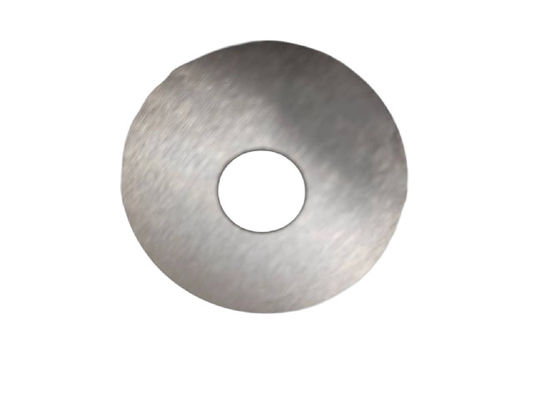
Manufactured from a single carbide piece, these offer maximum hardness and wear resistance but at higher cost. Ideal for cutting alloy steels and tool steels, their brittleness requires controlled feed rates and effective cooling.
"These are our choice for precision mold cutting," shared a mold factory manager. "The investment pays off in superior finish quality."
Tipped Tungsten Carbide Blades
Featuring carbide teeth brazed onto steel bodies, these provide an optimal balance of performance and affordability. Their adaptable tooth configurations make them versatile for general steel and cast iron cutting.
"This is the workhorse blade found across construction sites and machine shops," noted a steel distributor.
Coated Tungsten Carbide Blades
Enhanced with wear-resistant coatings like TiN or TiAlN, these blades demonstrate improved hardness, heat resistance, and longevity. Particularly effective for stainless steel and high-speed steel applications.
"Coated blades represent the cutting edge of technology," commented a tool manufacturer. "While premium-priced, their extended service life justifies the cost for demanding applications."
Equipment and Operational Considerations
Beyond blade selection, cutting performance depends heavily on equipment capability and operator skill. Machines must deliver adequate power and stability, while operators must master parameters like feed rate and cooling application.
"Even premium blades underperform without proper equipment and technique," warned a machining technician. "Consistent feed pressure and alignment are particularly crucial for handheld operations."
Practical Applications and Limitations
Real-world implementations demonstrate tungsten carbide's advantages:
-
Automotive plants report 30% efficiency gains when cutting stainless exhaust components
-
Precision mold makers achieve superior surface finishes on tool steels
-
Construction sites halve rebar cutting time while improving safety
However, limitations exist:
-
Higher initial investment compared to conventional blades
-
Susceptibility to chipping from improper use
-
Demanding maintenance requirements including tooth dressing
-
Safety risks requiring proper personal protective equipment
Future Developments
Ongoing advancements promise enhanced capabilities:
-
Diamond and cubic boron nitride coatings for extreme applications
-
Variable-pitch and 3D tooth geometries for optimized performance
-
Integration with smart cutting systems for automated parameter optimization
"The future lies in high-performance, intelligent cutting solutions," predicted a tooling engineer.
Expert Recommendations
Materials specialists emphasize proper blade selection based on specific requirements:
"Match the blade type to both material characteristics and operational demands," advised an industry consultant. "Additionally, rigorous safety protocols and regular maintenance are non-negotiable for optimal results."
As material science progresses, tungsten carbide blades are poised to play an increasingly vital role in metal fabrication, driving efficiency and precision across industrial sectors.


 Your message must be between 20-3,000 characters!