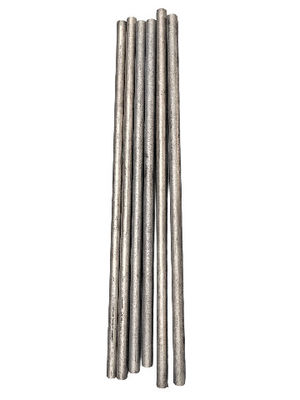
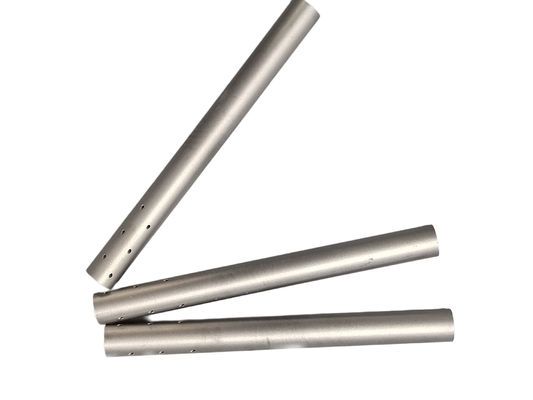
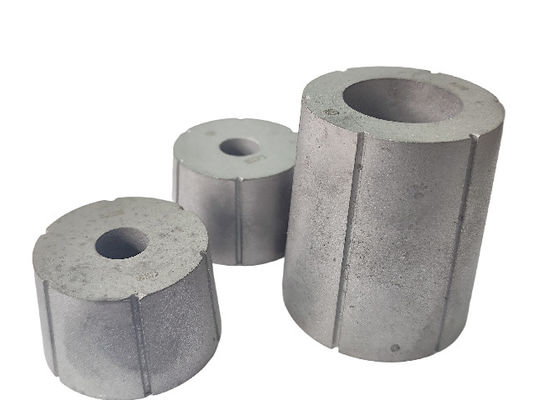
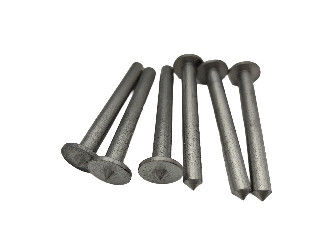
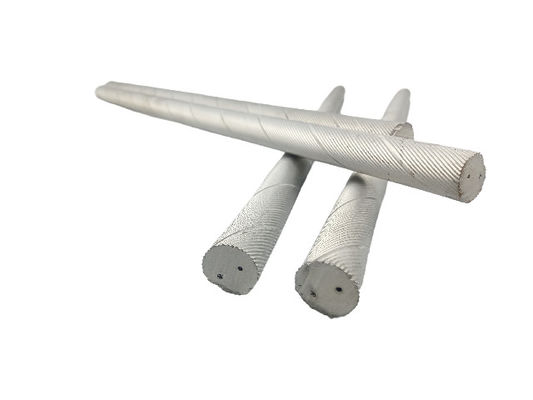
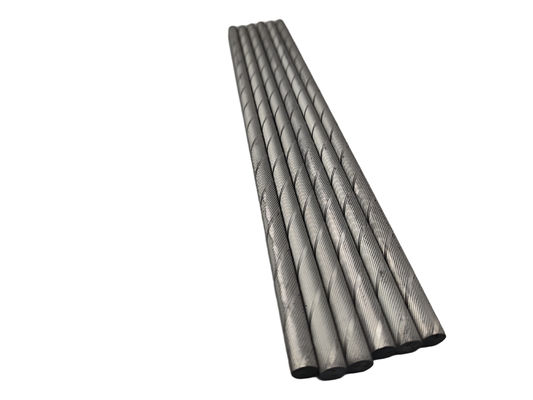
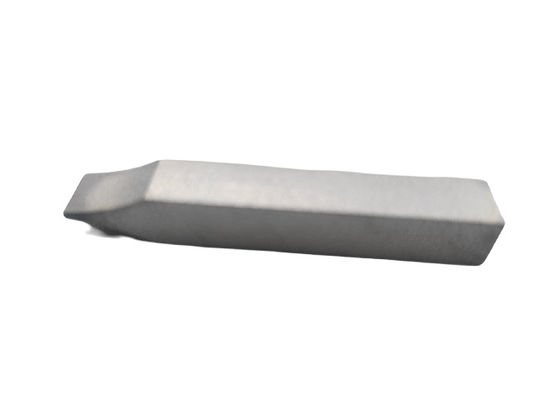
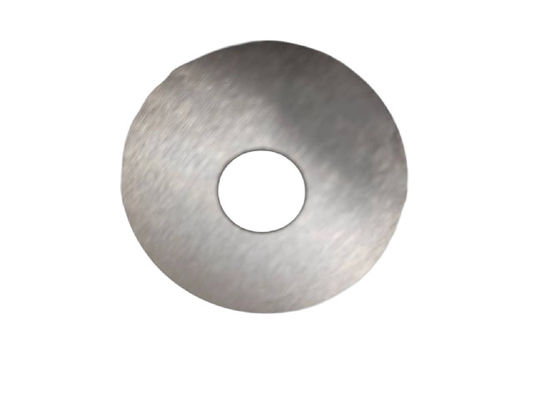
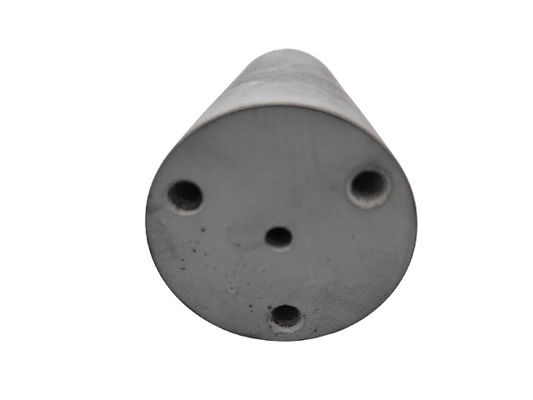
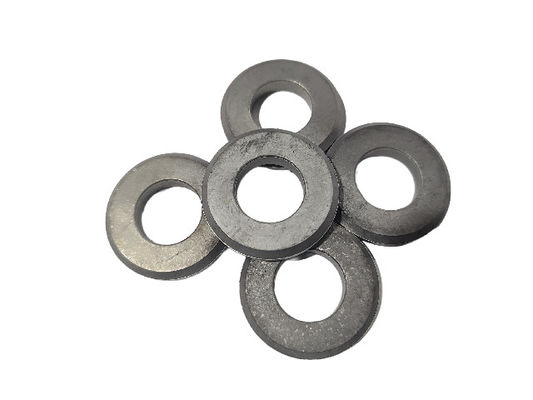
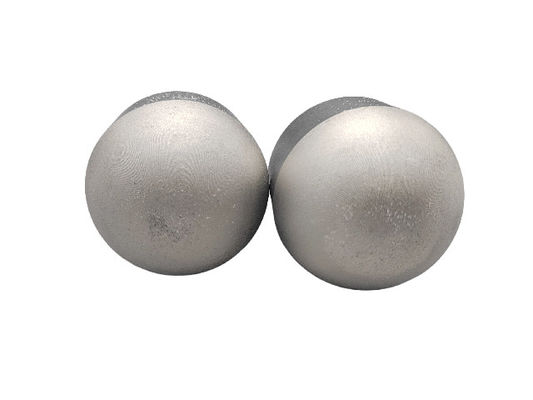
In the microscopic world of precision manufacturing, if machining equipment were Olympic athletes, tungsten carbide rods would undoubtedly be the game-changing "cleats" that determine victory. When facing ultra-hard alloy steels, titanium alloys, or complex geological formations deep underground, ordinary metal materials wear out instantly, while tungsten carbide rods maintain their razor-sharp edge. What makes these seemingly ordinary, somewhat heavy cylinders the indispensable "industrial teeth" of modern manufacturing systems? Today, we examine this material marvel that has revolutionized human manufacturing efficiency.
Core Performance: Why Tungsten Carbide Is Irreplaceable
To understand tungsten carbide, one must first grasp the concept of "unity of opposites." In materials science, hardness and toughness are typically at odds: extremely hard materials (like ceramics) tend to be brittle, while highly ductile materials (like pure copper) are too soft and deform easily. The brilliance of tungsten carbide rods lies in their precisely engineered microstructure that forces these opposing properties to coexist.
1. The "Yin-Yang" Microstructure
Tungsten carbide consists of ultra-hard metal carbides (primarily tungsten carbide, WC) forming a "skeleton," bonded together by ductile metals (primarily cobalt, Co) through powder metallurgy sintering. The tungsten carbide provides diamond-like hardness, while the cobalt acts as a flexible net that absorbs impact and prevents fracturing. This composite structure allows the material to cut through metal like a scalpel while withstanding high-frequency vibrations like a spring.
2. Unyielding "Iron Will" Against Heat Softening
Conventional high-speed steel tools lose hardness rapidly when temperatures exceed 500°C, leading to quick failure. Tungsten carbide rods maintain structural stability even at 800-1000°C, resisting softening and deformation. This enables factories to operate at higher speeds and feed rates, potentially doubling productivity while significantly reducing maintenance downtime.
Diverse Industrial Applications: From Drill Bits to Aerospace Engines
Tungsten carbide rods have permeated every capillary of global industry, serving not just as cutting tool materials but as cornerstones of modern industrial civilization.
1. Precision Machining: The "Scalpel" of Manufacturing
In automotive engine production, where cylinder bore accuracy determines fuel efficiency, tungsten carbide milling cutters and reamers maintain dimensional stability through tens of thousands of cutting cycles. This reliability directly impacts engine assembly precision and service life—without tungsten carbide, modern automotive mass production would be impossible.
2. The "Endurance Champion" of Extreme Conditions
In chemical plants, tungsten carbide dominates pump components, bearings, and seal rings that endure high pressure, corrosion, and abrasive fluids. Where standard steels might fail within days, tungsten carbide's minimal wear rates dramatically extend equipment maintenance cycles, acting as production line "guardians" against catastrophic shutdowns.
3. Energy Exploration's "Rock Crusher"
In deep-well drilling through granite and basalt formations, tungsten carbide drill bits withstand intense impact and abrasion. For offshore drilling and shale gas extraction, this material's performance directly dictates energy production costs and efficiency.
4. The "Invisible Backbone" of Electronics
In microelectronic component manufacturing, tungsten carbide's near-zero thermal expansion ensures micrometer-level stability for precision molds—not just as tools but as enablers of high-density device performance.
Cross-Industry Technological Penetration: From Skies to Oceans, Operating Rooms to Labs
-
Aerospace:
Used in jet engine turbine blade fasteners and machining tools, its strength-to-weight ratio enhances aircraft range and safety.
-
Medical Devices:
Biocompatible and corrosion-resistant, it's ideal for orthopedic drills and minimally invasive surgical tools, preventing harmful metal ion release while ensuring precision cuts.
-
Mold Manufacturing:
In injection molding and die casting, tungsten carbide molds maintain geometric accuracy through prolonged use, boosting product yield rates and competitive manufacturing.
Conclusion: The Unending Frontier of Materials Science
From stone to bronze, steel to tungsten carbide, humanity's material evolution has always propelled civilizational leaps. Tungsten carbide rods—a perfect marriage of microphysics and macro-engineering—aren't merely efficiency tools but foundational drivers of high-precision, durable, low-maintenance industrial progress.
Looking ahead, nanoscale grain control promises even greater hardness-toughness ratios, while advanced coatings may introduce self-lubricating and anti-adhesion properties. From microsurgical needles to deep-sea drill bits, tungsten carbide's expanding applications reflect industrial maturity. It remains not just industry's "Iron Man," but humanity's steadfast partner in exploring micro-worlds and reshaping macro-realities—always ready to deliver indestructible performance wherever cutting, drilling, or precision is required.


 Your message must be between 20-3,000 characters!