Ceramic vs. Tungsten Carbide Knives: A Culinary Dilemma
For culinary enthusiasts seeking the pinnacle of cutting performance, choosing between ceramic and tungsten carbide knives presents a fascinating dilemma. Both materials promise exceptional sharpness and durability, but their fundamental differences create distinct advantages in the kitchen.
Material Composition and Microstructure
Ceramic Blades: The Art of Zirconium Oxide
Commercial ceramic knives primarily use sintered zirconium oxide (ZrO₂), known for its exceptional hardness (Mohs scale 8-9). This crystalline structure delivers outstanding wear resistance but suffers from inherent brittleness, making the blades prone to chipping or catastrophic failure under impact.
Tungsten Carbide: The Resilience Factor
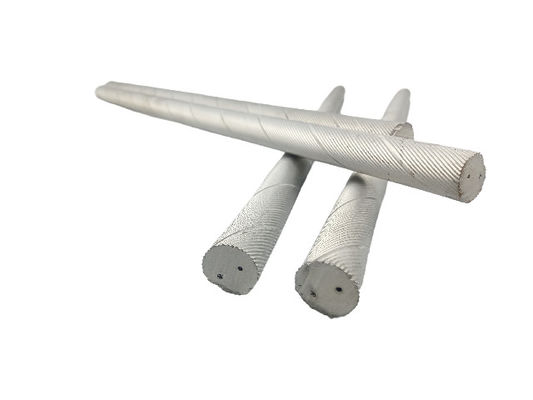
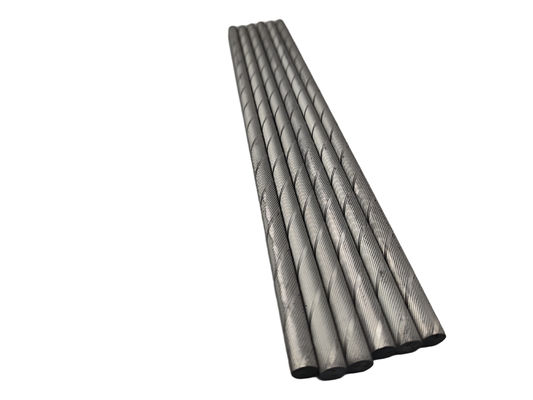
Tungsten carbide (WC) blades combine hard carbide particles with a metallic binder (typically cobalt). This composite structure approaches ceramic's hardness while demonstrating superior fracture resistance. The metal matrix allows these blades to withstand lateral stresses that would damage ceramic counterparts.
Edge Retention: The Longevity Challenge
Ceramic knives maintain razor-like sharpness remarkably well when processing soft ingredients like fruits, vegetables, and boneless meats. Their molecular density prevents edge deformation, making them ideal for precision tasks like sushi preparation.
Tungsten carbide matches ceramic's wear resistance in many applications, with industrial-grade formulations surpassing most steels. Kitchen knives featuring tungsten carbide coatings or carbide-tipped edges outperform standard steel blades while approaching ceramic's longevity.
Structural Integrity and Risk Assessment
Ceramic's low fracture toughness demands careful handling. These blades should never contact bones, frozen foods, or twisting motions. Even minor drops can cause irreparable damage.
Tungsten carbide's composite structure provides substantially better impact resistance. The material tolerates accidental impacts and lateral forces that would fracture ceramic blades, offering greater reliability for everyday use.
Maintenance Realities
Resharpening ceramic knives requires diamond abrasives and professional equipment due to their extreme hardness. Most users opt for professional sharpening services rather than attempting DIY maintenance.
While tungsten carbide also requires diamond sharpening tools, many carbide-tipped knives allow home sharpening with diamond stones. However, thin carbide coatings eventually wear through, necessitating recoating or replacement.
Performance in Practice
Ceramic blades typically feature ultra-thin edge geometries (often below 15 degrees) for unparalleled initial sharpness. This design excels with delicate ingredients but compromises durability.
Tungsten carbide knives employ slightly thicker edge profiles to enhance robustness. This trade-off creates versatile tools capable of handling tougher ingredients while maintaining excellent edge retention.
Choosing Your Ideal Blade
When Ceramic Excels:
-
Precision work with soft ingredients
-
Lightweight handling preference
-
Minimal bone/frozen food contact
-
Willingness to accept fragility for ultimate sharpness
When Tungsten Carbide Shines:
-
General-purpose kitchen tasks
-
Durability requirements
-
Occasional hard ingredient processing
-
Preference for easier maintenance
Safety Considerations
Ceramic knives pose unique hazards when broken, potentially creating sharp fragments. Proper storage and careful handling are essential.
Tungsten carbide's structural integrity makes it inherently safer for routine use, with minimal risk of catastrophic failure.
Technical Notes
Modern ceramic knives often use yttria-stabilized zirconia (YTZ) for improved toughness. Tungsten carbide tools historically used cobalt matrices, though modern formulations may vary. Both materials resist chemical corrosion, though carbide's binder may degrade with acidic foods.
Market Perspectives
While ceramic knives dominate the premium kitchen market, tungsten carbide options remain relatively niche. User experiences reflect this divide - ceramic enthusiasts praise unmatched sharpness, while practical cooks often prefer carbide's resilience.
The Verdict
These materials represent divergent engineering philosophies. Ceramic pursues absolute sharpness at durability's expense, while tungsten carbide balances performance with practicality. High-quality steel knives remain the professional standard, but specialized materials offer compelling alternatives for specific needs.


 Your message must be between 20-3,000 characters!