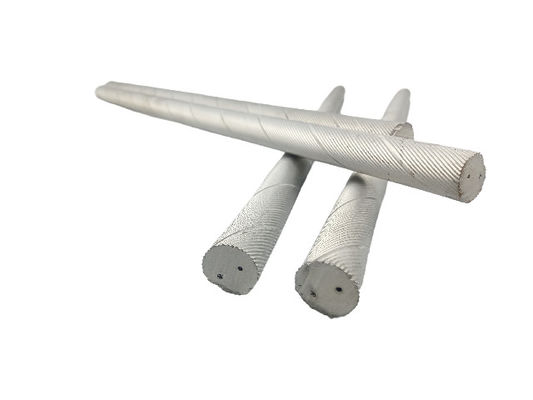
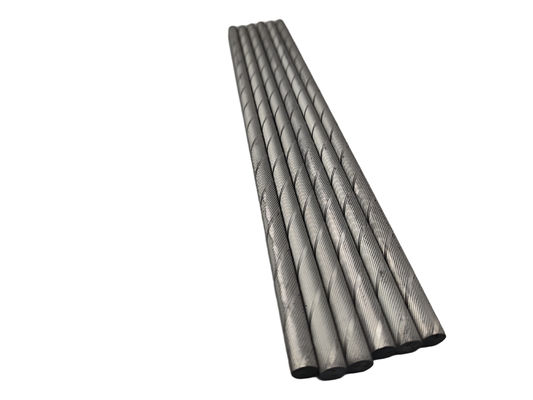
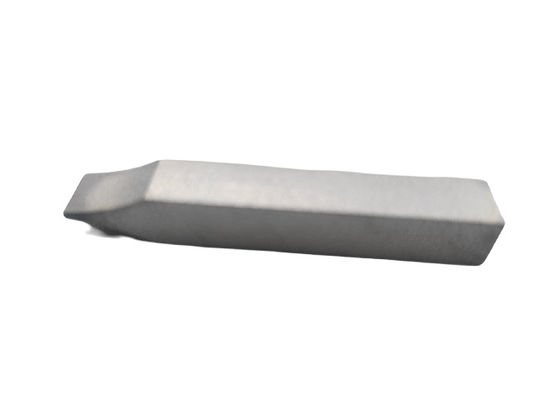
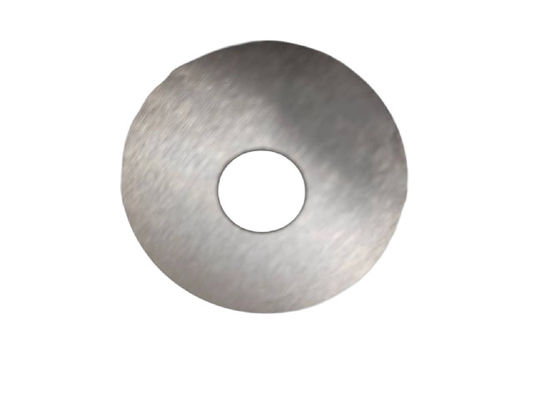
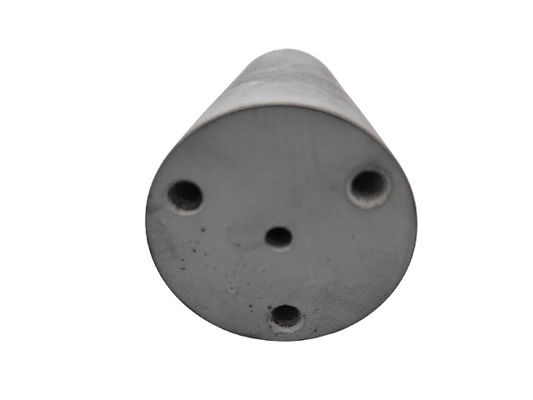
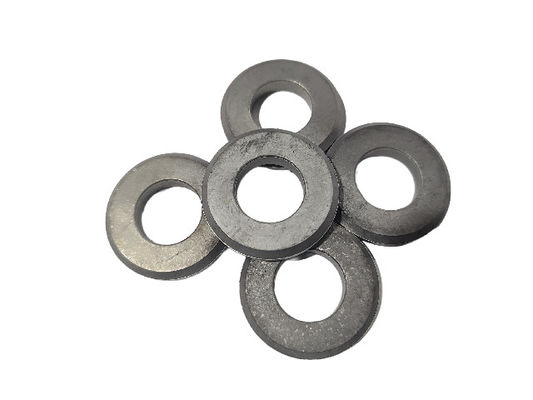
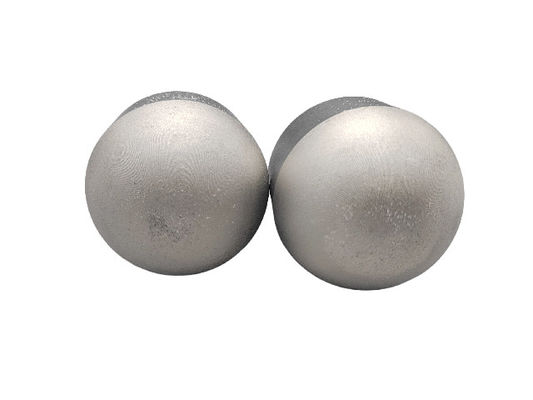
Imagine a high-speed CNC machine tool, its cutting blade slicing through hardened metal at astonishing speeds. What enables these tools to withstand extreme heat, pressure, and relentless wear? The answer lies in the microscopic structure of cemented carbide tools, where cobalt acts as the crucial "binding agent" holding everything together.
Cemented carbide, also known as tungsten steel, has become indispensable in tool manufacturing due to its exceptional hardness, high elastic modulus, superior thermal conductivity, and low thermal expansion across a wide temperature range. These properties make carbide tools ideal for increasingly demanding high-speed cutting applications. However, the material isn't without limitations—during low-speed cutting, workpiece material can weld to the tool surface, accelerating wear. This makes proper speed selection critical.
The Composition and Manufacturing of Cemented Carbide: Precision Through Powder Metallurgy
Cemented carbide is a non-ferrous alloy typically produced using powder metallurgy techniques, earning it the alternative name of sintered (or cemented) carbide. The manufacturing process involves mixing powdered hard phases (usually tungsten carbide or other carbides) with binder metal powder, followed by pressing and high-temperature sintering. During sintering, the binder melts, creating strong bonds between the hard phase particles to form a material with exceptional strength and hardness.
Cobalt: The Structural Framework of Cemented Carbide
In cemented carbide, cobalt (Co) serves as the essential binder that firmly connects the hard phase particles. Its inclusion provides several critical material properties:
-
Enhanced Toughness:
While pure tungsten carbide offers extreme hardness, it's also highly brittle. Cobalt significantly improves toughness, allowing the material to withstand greater impact loads without chipping or fracturing.
-
Improved Sintering Characteristics:
Cobalt forms a liquid phase at sintering temperatures, promoting diffusion and bonding between tungsten carbide particles. This lowers required sintering temperatures, reduces processing time, and increases material density.
-
Greater Bending Strength:
Cobalt reinforcement enables cemented carbide to endure higher bending stresses during cutting operations, minimizing plastic deformation.
-
Hardness Modulation:
Adjusting cobalt content allows precise control over material hardness. Higher cobalt content yields greater toughness with reduced hardness, while lower cobalt content increases hardness at the expense of toughness—enabling optimal formulation for specific applications.
Types and Applications of Cemented Carbide Tools
Modern industry primarily utilizes two types of cemented carbide tools:
-
Straight Tungsten Carbide (WC) Tools:
Composed mainly of tungsten carbide and cobalt, these tools offer superior hardness and wear resistance, making them ideal for machining cast iron, non-ferrous metals, and non-metallic materials.
-
Composite Carbide Tools:
Incorporating additional carbides like titanium carbide (TiC), tantalum carbide (TaC), and niobium carbide (NbC) alongside tungsten carbide and cobalt, these tools deliver enhanced hardness, wear resistance, and high-temperature strength for challenging materials including steel, stainless steel, and heat-resistant alloys.
Future Directions in Cemented Carbide Tool Development
As manufacturing demands evolve, cemented carbide tools are advancing along several technological frontiers:
-
Nanoscale Engineering:
Utilizing nano-sized carbide and cobalt powders to create tools with unprecedented hardness, toughness, and wear resistance.
-
Graded Structures:
Controlled temperature gradients during sintering can produce tools with hardness-optimized surfaces and toughness-optimized cores, achieving ideal property combinations.
-
Advanced Coatings:
Applying hard thin-film coatings (such as TiN, TiAlN, or diamond films) to further enhance hardness, wear resistance, and oxidation protection, significantly extending tool lifespan.
Cobalt's role as the critical binder in cemented carbide tools remains irreplaceable for achieving optimal performance. With continuous advancements in materials science and manufacturing processes, cemented carbide tools will continue evolving to meet the growing challenges of modern industry.


 Your message must be between 20-3,000 characters!