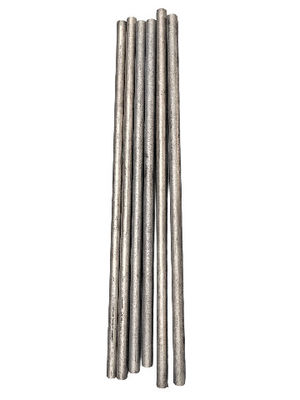
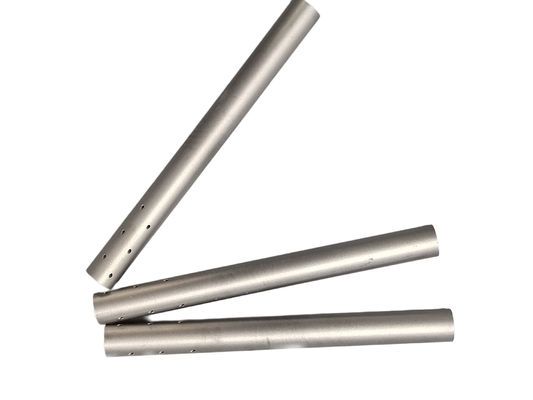
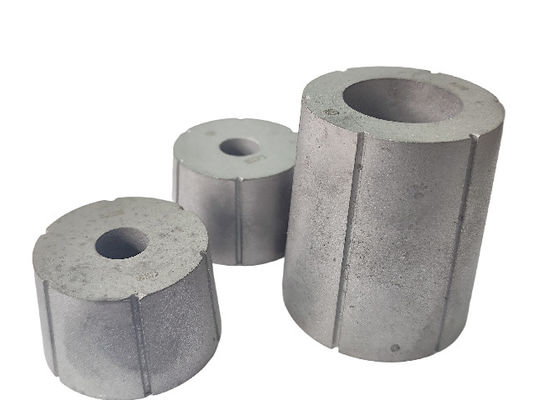
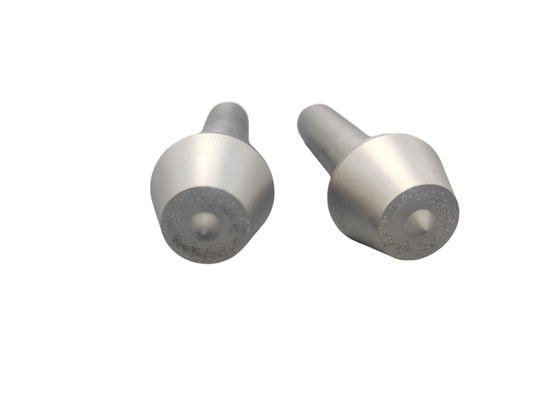
Have you ever been frustrated by fastener quality issues? Broken bolts or stripped screws not only compromise product integrity but can create serious safety hazards. The key to manufacturing superior fasteners lies in selecting the right cold heading steel.
Understanding Cold Heading Quality Steel
Cold Heading Quality Steel (CHQ Steel) represents a specialized category that demands strict chemical composition requirements. This material must withstand tremendous cold heading pressures while maintaining exceptional quality standards.
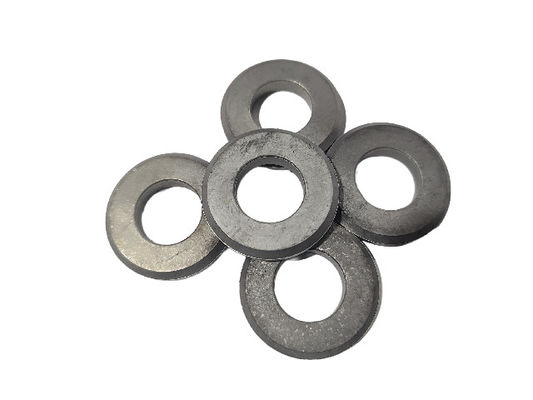
In high-speed cold heading machines, the steel undergoes intense deformation through multiple dies and punches to form various fastener types - bolts, screws, pins, rivets, nuts, washers, and bushings. Substandard steel often results in cracking or deformation during this process, leading to product rejection.
CHQ steel must demonstrate superior plasticity, toughness, and surface quality to meet cold heading requirements. Typically supplied as wire coils for continuous feeding in automated production, these materials undergo specialized drawing processes to achieve precise dimensions and excellent surface finish.
Carbon Steel: The Cost-Effective Option
Carbon steel remains one of the most commonly used materials for cold heading, categorized by carbon content into low, medium, and high carbon varieties.
Low Carbon Steel: Easy Forming, Moderate Strength
With carbon content between 0.05% and 0.25%, low carbon steels like 1010 (0.10% carbon) offer excellent plasticity and weldability, making them ideal for cold heading. However, their relatively low strength limits their use in high-load applications. Typical applications include washers and rivets.
10B21, a boron-added low carbon steel, demonstrates improved hardenability and strength compared to standard low carbon steels. This material finds widespread use in construction, tools, marine, automotive, machinery, and household appliances.
Medium Carbon Steel: Balanced Strength and Toughness
Containing 0.25% to 0.60% carbon, medium carbon steels offer greater strength and hardness than their low carbon counterparts, though with reduced plasticity and weldability. Heat treatments like quenching and tempering often enhance their performance for applications requiring moderate load capacity, such as bolts and screws.
High Carbon Steel: Maximum Strength, Challenging Forming
With carbon content exceeding 0.60%, high carbon steels deliver peak strength and hardness but present significant forming challenges due to limited plasticity. Special processing techniques like preheating or multiple upsetting operations help prevent cracking during cold heading. These steels serve applications demanding exceptional wear resistance, such as high-strength bolts and spring washers.
Alloy Steel: Enhanced Performance for Demanding Applications
Alloy steels incorporate additional elements like nickel, chromium, silicon, manganese, molybdenum, or vanadium to improve specific properties. These enhancements create materials capable of meeting specialized requirements for strength, toughness, corrosion resistance, or wear resistance.
Low Alloy Steel: Economical Performance Solutions
Containing less than 5% total alloy content, low alloy steels like 1541 (a medium carbon, medium manganese steel) provide excellent balance between performance and cost-effectiveness. Higher-performance variants like 4037 and 4140 offer increased strength and toughness for critical applications in petroleum, natural gas, and aerospace industries.
High Alloy Steel: Extreme Environment Performance
With alloy content exceeding 5%, high alloy steels like B16 (a chromium-molybdenum-vanadium alloy) deliver exceptional high-temperature strength, creep resistance, and corrosion resistance. These materials serve demanding applications including boiler bolts and pressure vessel fasteners.
Stainless Steel: Corrosion Resistance for Longevity
Stainless steels, characterized by high chromium content, provide outstanding corrosion resistance for applications in food processing, medical, chemical, and marine environments. While their higher strength and hardness present forming challenges, proper material selection and processing enable successful cold heading.
Austenitic Stainless: Superior Forming Characteristics
Common austenitic grades like 302 and 304 offer excellent plasticity and toughness, especially after annealing. 304 stainless remains the most widely used grade for general-purpose corrosion-resistant fasteners due to its balanced properties.
Specialty Stainless Grades: Niche Applications
High-nickel alloys (A286), martensitic (410), and ferritic (430) stainless steels require specialized processing due to their unique property combinations. A286 excels in high-temperature environments, 410 achieves high hardness through heat treatment, and 430 offers good corrosion resistance with excellent thermal conductivity.
Cold Heading vs. Hot Forming: The Clear Advantage
Cold heading presents distinct advantages over hot forming for stainless steel processing. The cold process eliminates heating requirements, improving safety and energy efficiency while enhancing material strength and surface finish.
Selecting the Optimal Cold Heading Steel
Choosing the appropriate cold heading steel requires careful consideration of several factors:
-
Operating Environment:
Corrosive conditions demand stainless steel, while high-temperature applications require specialized alloys.
-
Strength Requirements:
High-load applications need high-strength alloys or high carbon steels.
-
Forming Characteristics:
Material plasticity, toughness, and surface quality significantly impact production efficiency.
-
Cost Considerations:
Balance performance requirements with budget constraints to achieve optimal value.
By carefully evaluating these parameters, manufacturers can select the ideal cold heading steel to produce fasteners that meet exacting quality and performance standards.


 Your message must be between 20-3,000 characters!