In the dazzling world of jewelry, the choice of material is crucial. It not only determines the aesthetic appeal of the piece but also affects its durability, value, and comfort when worn. Gold and tungsten, two highly sought-after materials, each possess unique charms and characteristics. Faced with these options, consumers often find themselves in a dilemma. Which material is more suitable for their needs? This article provides an in-depth comparison of gold and tungsten, examining their properties, advantages and disadvantages, ideal use cases, maintenance requirements, and pricing, offering a comprehensive and professional guide for jewelry buyers.
Gold: The Timeless Classic
Gold, with the chemical symbol Au, is a soft, lustrous, and corrosion-resistant precious metal. Since ancient times, gold has been revered for its rarity, beauty, and stability, symbolizing wealth, power, and eternity. In the realm of jewelry, gold holds a prominent position and is widely used in crafting rings, necklaces, bracelets, earrings, and other adornments.
Properties of Gold
-
Color and Luster:
Pure gold exhibits a distinctive yellow hue with a captivating shine. By alloying it with other metals, gold can take on a variety of colors, such as rose gold and white gold, catering to diverse aesthetic preferences.
-
Malleability and Ductility:
Gold is one of the most malleable metals, easily drawn into thin wires or hammered into sheets. This property makes it ideal for intricate jewelry designs.
-
Chemical Stability:
Gold is highly resistant to chemical reactions, making it impervious to tarnishing or rusting when exposed to air or moisture.
-
Value:
As a precious metal, gold holds significant value. Its price fluctuates based on market demand, economic conditions, and other factors, making it a viable investment.
Gold Purity and Karat
Gold purity is measured in karats (K), with 24K representing pure gold (99.9% gold content). Due to its softness, pure gold is often alloyed with other metals to enhance hardness and durability. Common gold karats include:
-
24K Gold:
Pure gold, vibrant in color but too soft for everyday jewelry.
-
22K Gold:
Approximately 91.6% gold, slightly less vibrant but still relatively soft.
-
18K Gold:
About 75% gold, offering a balance of hardness and elegance, widely used in jewelry.
-
14K Gold:
Roughly 58.3% gold, harder and more affordable, suitable for daily wear.
-
9K Gold:
Around 37.5% gold, the most durable and budget-friendly but with diminished luster.
Pros and Cons of Gold
Advantages:
-
Timeless Appeal:
Gold’s historical and cultural significance ensures its enduring popularity.
-
Investment Value:
Gold retains high value and serves as a hedge against inflation.
-
Ease of Crafting:
Its malleability allows for intricate and elaborate designs.
-
Corrosion Resistance:
Gold does not tarnish or rust over time.
-
Color Variety:
Alloying enables a spectrum of colors to suit different tastes.
Disadvantages:
-
Softness:
Pure gold is prone to scratches and deformation, requiring careful handling.
-
High Cost:
As a precious metal, gold commands a premium price.
-
Allergy Risk:
Some individuals may react to alloy metals like nickel.
Gold Care and Maintenance
-
Avoid exposure to chemicals like cosmetics, perfumes, and detergents.
-
Clean regularly with warm water and a soft cloth.
-
Store separately to prevent scratches from other jewelry.
-
Inspect settings periodically to ensure stones are secure.
Tungsten: The Modern Industrial Choice
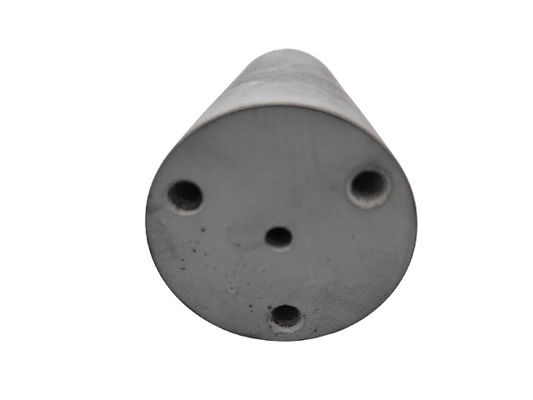
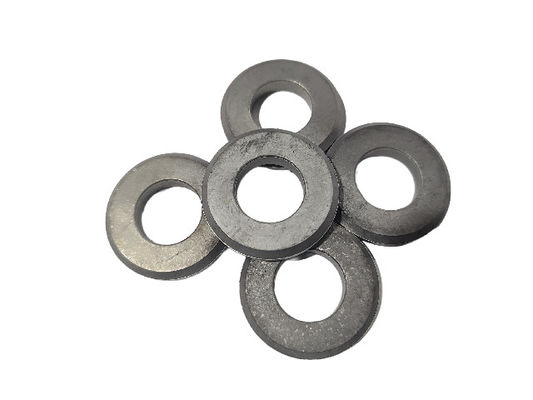
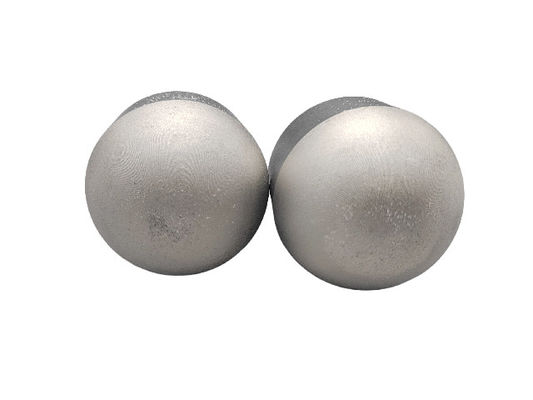
Tungsten, or tungsten carbide, is a compound of tungsten and carbon. Renowned for its exceptional hardness, wear resistance, and corrosion resistance, tungsten is widely used in industrial applications. In recent years, as demand for durable and personalized jewelry has grown, tungsten has emerged as a popular alternative in the jewelry market.
Properties of Tungsten
-
Extreme Hardness:
Second only to diamonds, tungsten is far harder than gold or platinum, making it highly scratch-resistant.
-
Superior Durability:
Tungsten jewelry retains its polish and shape over time.
-
Corrosion Resistance:
It does not react with air or moisture, preventing tarnishing.
-
Hypoallergenic:
Ideal for those with metal allergies.
-
Unique Finish:
Tungsten has a sleek, modern metallic sheen.
Pros and Cons of Tungsten
Advantages:
-
Exceptional Hardness:
Resistant to scratches and wear.
-
Low Maintenance:
Does not tarnish or require polishing.
-
Hypoallergenic:
Safe for sensitive skin.
-
Affordability:
More budget-friendly than precious metals.
-
Contemporary Designs:
Appeals to modern aesthetics.
Disadvantages:
-
Non-Adjustable:
Cannot be resized due to its hardness.
-
Brittleness:
May shatter under extreme force.
-
Limited Styles:
Lacks the ornate designs possible with gold.
-
Low Resale Value:
Not classified as a precious metal.
Tungsten Care and Maintenance
-
Avoid impacts to prevent cracking.
-
Keep away from harsh chemicals.
-
Clean with mild soap and water.
-
Store separately to avoid scratches.
Gold vs. Tungsten: A Side-by-Side Comparison
|
Comparison Factor
|
Gold
|
Tungsten
|
|
Hardness
|
Soft (easily scratched)
|
Extremely hard (scratch-resistant)
|
|
Durability
|
Prone to wear over time
|
Maintains polish indefinitely
|
|
Maintenance
|
Requires regular cleaning
|
Low maintenance
|
|
Hypoallergenic
|
May cause allergies
|
Generally safe for sensitive skin
|
|
Resizing
|
Easily adjustable
|
Cannot be resized
|
|
Price
|
Expensive (precious metal)
|
Affordable
|
|
Style Variety
|
Classic and ornate designs
|
Modern and minimalist
|
Ultimately, the choice between gold and tungsten depends on personal preferences, budget, and lifestyle. Gold remains the quintessential choice for those valuing tradition and investment, while tungsten appeals to individuals seeking durability and contemporary aesthetics.


 Your message must be between 20-3,000 characters!