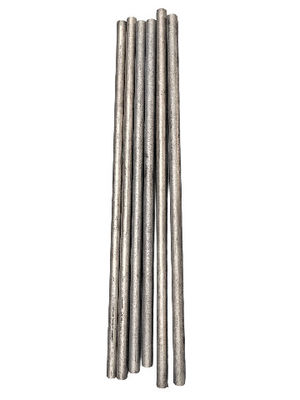
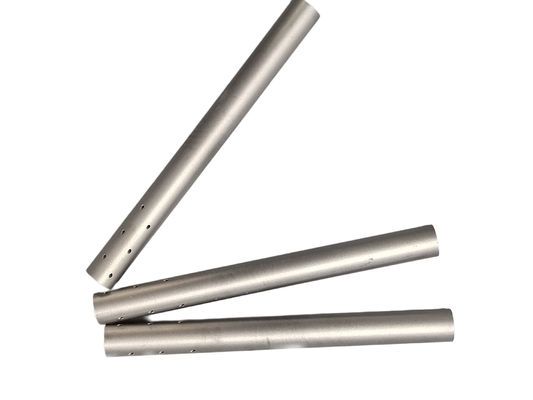
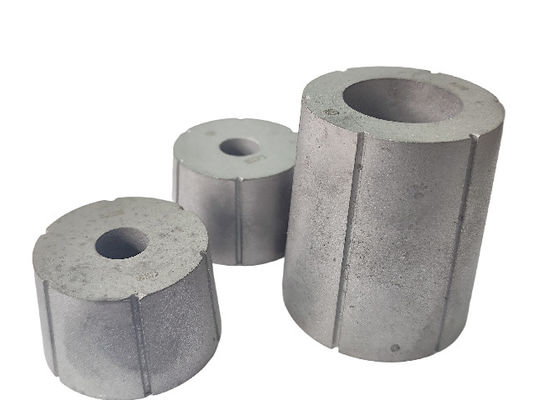
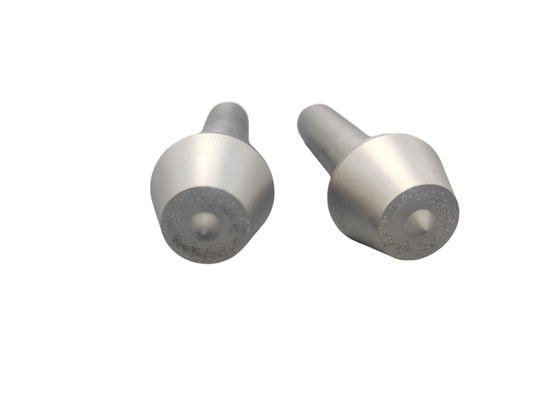
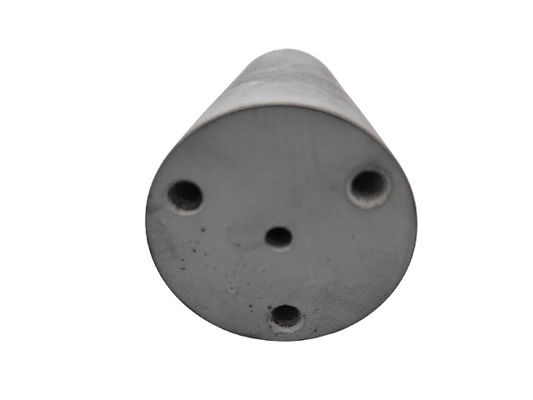
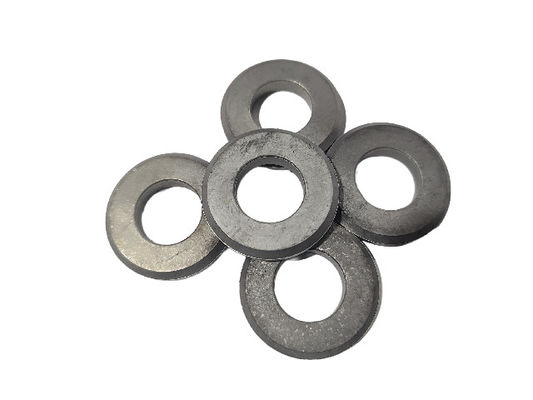
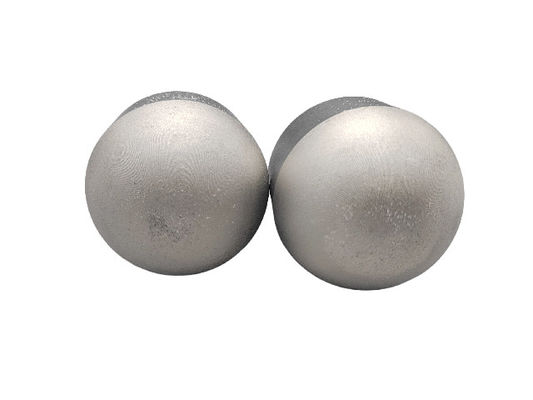
In precision machining workshops, the high-speed operation of drill bits and milling cutters relies on high-performance materials for every precise cut. Tungsten steel serves as the fundamental force behind these cutting tools. This article focuses on C2-grade tungsten steel round bars, providing a data-driven purchasing guide covering material properties, applications, and alternative solutions.
C2 Tungsten Steel: Balancing Versatility and Wear Resistance
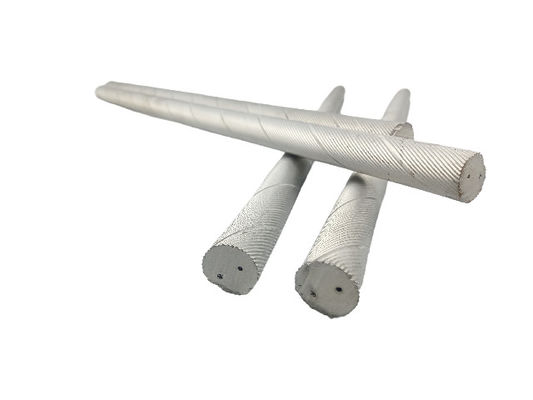
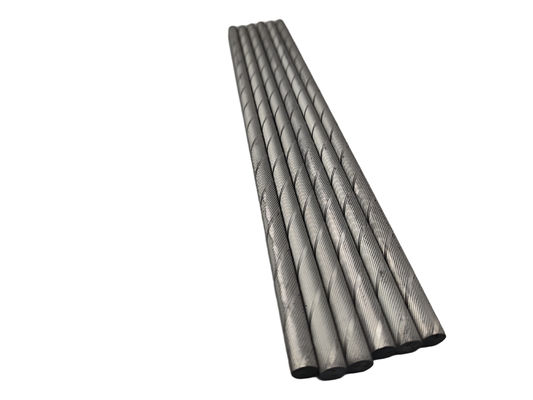
The C2-grade tungsten steel round bar distinguishes itself among various tungsten steel grades through its unique composition (94% tungsten carbide, 6% cobalt) and microstructure (average grain size of 1.2 microns). This specific formulation provides C2 tungsten steel with exceptional wear resistance and versatility, making it an ideal choice for cutting tools such as drill bits, milling cutters, and reamers. Additionally, it proves suitable for various applications including stamping dies, cutting tools, and precision measuring instruments.
Performance Advantages: The Data Speaks
-
Wear Resistance: The tungsten carbide phase in C2 steel delivers extreme hardness, effectively resisting wear during cutting operations, extending tool life, and reducing replacement frequency.
-
Thermal Stability: Compared to standard ultrafine grain tungsten steel with higher cobalt content (10% cobalt), C2 tungsten steel demonstrates superior performance in high-temperature environments, resisting softening and deformation to maintain machining accuracy.
-
Versatility: The balanced properties of C2 tungsten steel enable it to handle diverse machining tasks, reducing tool inventory requirements while improving production efficiency.
Applications: Where C2 Tungsten Steel Excels
C2 tungsten steel round bars find extensive application in several key areas:
-
Cutting Tools: Drill bits, milling cutters, and reamers for machining various materials including metals, plastics, and composites.
-
Stamping Dies: Used in metal sheet stamping operations to create components of various shapes.
-
Measuring Instruments: Precision measurement tools such as calipers and micrometers that require dimensional accuracy.
Alternative Solutions: Standard Ultrafine Grain Tungsten Steel
For applications requiring higher toughness, standard ultrafine grain tungsten steel (10% cobalt) may present a better alternative. While slightly inferior in heat resistance compared to C2 tungsten steel, its higher cobalt content provides greater impact resistance and reduced chipping. Material selection should be based on specific machining conditions and performance requirements.
Rectangular Tungsten Steel Bars: Expanded Options
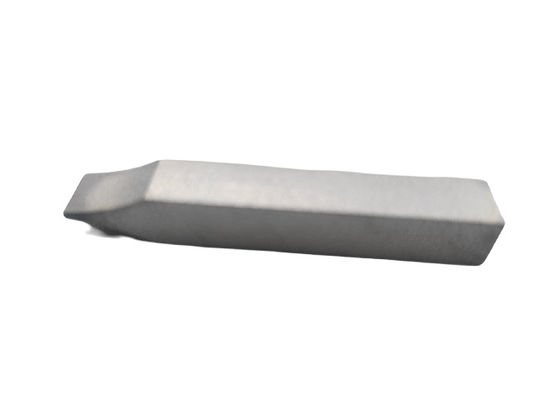
Beyond round bars, tungsten steel is also available in rectangular bar forms. These rectangular bars come in both C2 and standard ultrafine grain grades, suitable for manufacturing specialized cutting tools and die components. The appropriate shape and grade should be selected according to practical needs.
Purchasing Considerations: Data-Informed Decisions
When selecting C2 tungsten steel round bars, consider these key factors:
-
Workpiece Material: Different materials impose varying requirements on tool hardness, toughness, and wear resistance.
-
Machining Conditions: Cutting speed, feed rate, and depth of cut all influence tool longevity and machining quality.
-
Cost Efficiency: Significant price variations exist among different grades and specifications, requiring balanced selection of cost-effective solutions that meet performance demands.
Through comprehensive analysis of these factors, manufacturers can make informed purchasing decisions to ensure reliable production capabilities.


 Your message must be between 20-3,000 characters!