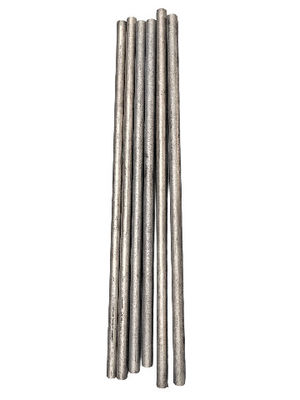
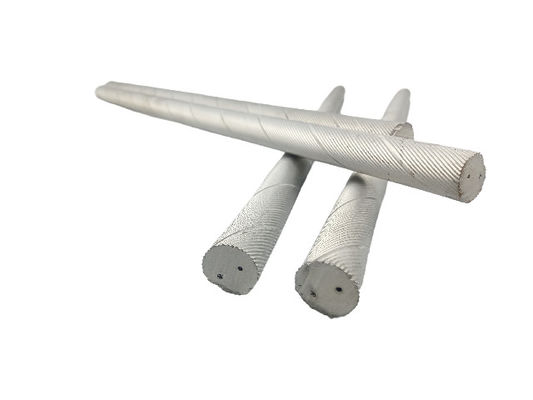
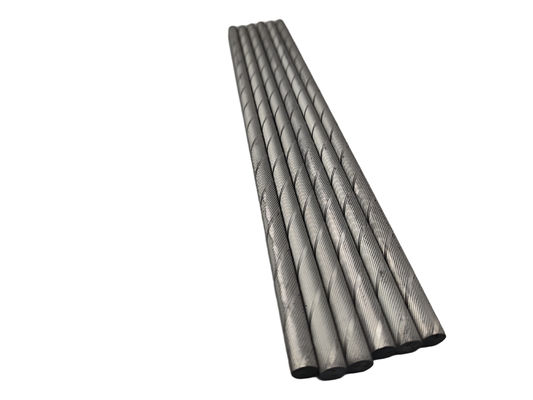
In the world of large-scale engineering projects, there exists a small but crucial component that often goes unnoticed—the B7 threaded rod. While it might appear to be just another piece of hardware, this specialized fastener plays a vital role in ensuring the structural integrity of everything from skyscrapers to oil rigs.
B7 Threaded Rods: The Foundation of High-Strength Fastening
Unlike ordinary threaded rods found in hardware stores, B7 threaded rods are manufactured to meet the stringent ASTM A193 standard for high-temperature and high-pressure applications. These rods are made from quenched and tempered chromium-molybdenum alloy steel, giving them exceptional tensile strength, yield strength, and heat resistance.
To understand the difference, imagine comparing a seasoned special forces operative to a basic recruit. While both can perform certain tasks, only the specialist has the training and capabilities to handle extreme situations—just as B7 rods outperform standard carbon steel rods (like A307 grade) in demanding applications.
Key Characteristics of B7 Threaded Rods
The superiority of B7 threaded rods stems from several critical features:
-
Exceptional Tensile Strength: With a minimum tensile strength of 125 ksi (thousand pounds per square inch), B7 rods can withstand tremendous pulling forces without failure.
-
Heat-Treated Alloy Steel: The chromium-molybdenum alloy undergoes quenching and tempering, enhancing its strength, toughness, and wear resistance.
-
ASTM A193 Compliance: Strict adherence to this standard ensures consistent quality in material composition, mechanical properties, and dimensional tolerances.
-
Multiple Surface Treatment Options: Available in plain finish, zinc-plated, or hot-dip galvanized coatings to suit various environmental conditions.
Applications Where B7 Threaded Rods Excel
These high-performance fasteners are indispensable in several critical sectors:
-
Structural steel connections in commercial and industrial buildings
-
High-load anchoring systems in concrete or masonry structures
-
Pressure vessel and flange connections in petrochemical and power industries
-
Heavy machinery installation requiring high tensile strength
-
Bridge, tower, and process piping construction
Particularly noteworthy is their performance in high-temperature environments (up to 800°F/427°C) and applications requiring long-term load-bearing capacity.
Selecting the Right Surface Treatment
The longevity of B7 threaded rods depends significantly on appropriate surface treatment:
-
Plain Finish: Suitable for controlled indoor environments with minimal corrosion risk.
-
Zinc Plating: Offers basic corrosion protection for mild outdoor conditions.
-
Hot-Dip Galvanizing: Provides superior protection for harsh environments like marine or industrial settings.
Installation Best Practices
Proper installation is crucial for optimal performance:
-
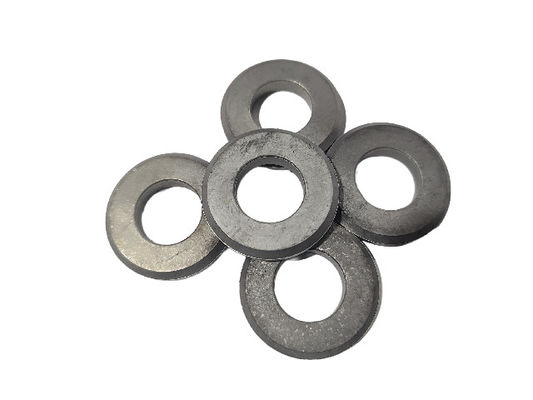
Always use matching B7-grade nuts and hardened washers
-
Ensure proper embedment depth for concrete anchoring applications
-
Never substitute with lower-grade carbon steel fasteners
-
Use torque wrenches to achieve specified tightening values
Frequently Asked Questions
What is the tensile strength of B7 threaded rods?
Minimum tensile strength is 125,000 psi (125 ksi).
Can B7 threaded rods be welded?
Generally not recommended as welding may compromise heat treatment. Consult engineers if welding is absolutely necessary.
Are B7 threaded rods magnetic?
Yes, due to their iron content.
Can B7 rods be used outdoors?
Only with proper surface treatment (hot-dip galvanizing recommended).


 Your message must be between 20-3,000 characters!