Every DIY enthusiast knows the frustration of carefully planning a project only to have it derailed by inadequate fasteners. Whether it's nails bending like wet noodles or screw heads stripping at the first turn of the screwdriver, poor fastener selection can turn a dream project into a nightmare.
Fasteners serve as the skeletal framework of any construction project, providing the critical connections that determine structural integrity. Understanding the five most common types—nails, screws, bolts, anchors, and rivets—can transform your DIY results from wobbly to rock-solid.
Nails: Ancient Simplicity With Modern Applications
Archaeological evidence reveals nails dating back to 3400 BCE in ancient Egypt, demonstrating their enduring utility. While maintaining the same basic design—a smooth shaft with a larger head—modern nails now primarily use steel or stainless steel for enhanced durability and corrosion resistance.
Nail sizing follows an archaic classification system from 2D to 60D, where "D" originates from the Roman denarius coin. In practical terms, builders typically reference length, such as a 16d (16-penny) nail measuring 3.5 inches (8.9 cm).
-
Finish nails with small heads for discreet fastening
-
Ring-shank nails for superior flooring grip
-
Roofing nails with waterproof washers
Screws: The Power of Threaded Connections
While screws trace their origins to ancient Greek and Roman presses, their modern threaded design provides superior holding power compared to nails. The key distinction lies in stress resistance: nails excel against shear forces, while screws outperform in tensile strength applications.
-
Hardwood screws feature deeper, coarser threads
-
Softwood screws prevent material splitting
-
Countersunk heads provide flush finishes
Bolts: Heavy-Duty Fastening With Nut Partners
Bolts differ from screws by requiring complementary nuts to create connections. The hexagonal nut design allows substantial clamping force through thread friction. Wing nuts offer hand-tightening convenience for frequently disassembled components.
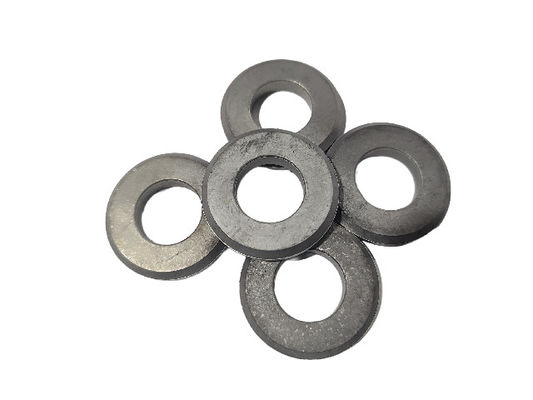
Structural applications favor bolts for their exceptional load-bearing capacity, particularly in steel construction. Washers distribute pressure to prevent surface damage during tightening.
Anchors: Concrete Connection Specialists
Concrete's hardness demands specialized fasteners. Anchors embed either during pouring (cast-in-place) or post-curing (post-installed), providing exceptional pullout and shear resistance for structural connections like foundation-to-wall joints.
Rivets: Permanent Metal-to-Metal Bonds
Common in aerospace and bridge construction, rivets create permanent joints by mechanically deforming their shafts. Pop rivets enable single-sided installation through a pull-through mandrel system, widely used in automotive panel assembly.
Understanding these fastener fundamentals empowers DIYers to select optimal connection methods for each project's specific requirements, ensuring both structural integrity and professional results.


 Your message must be between 20-3,000 characters!