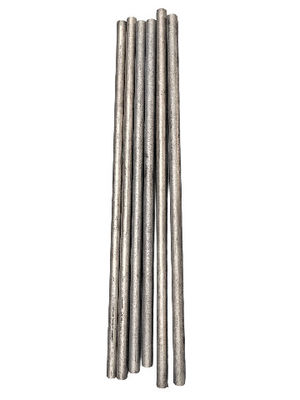
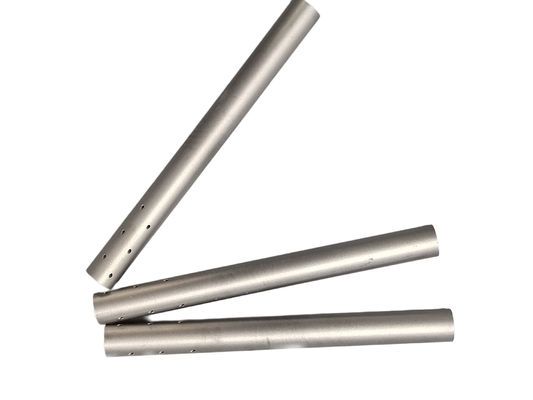
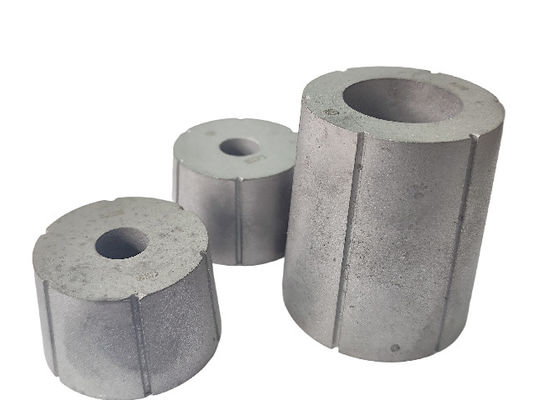
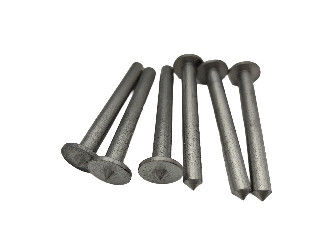
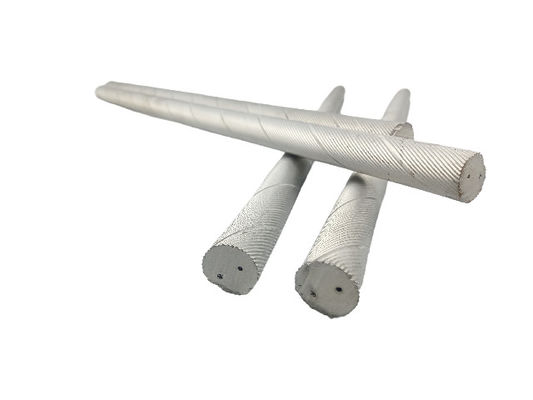
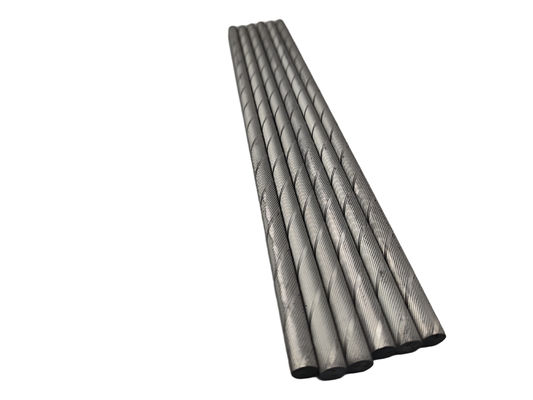
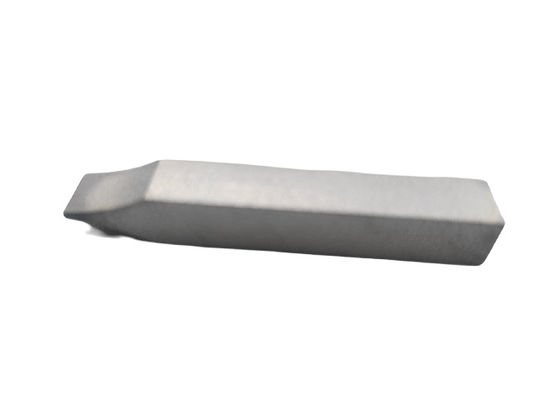
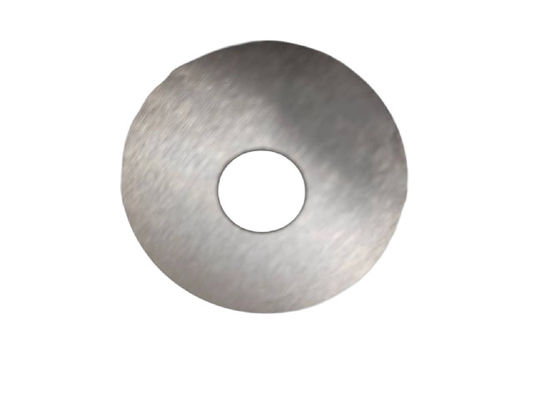
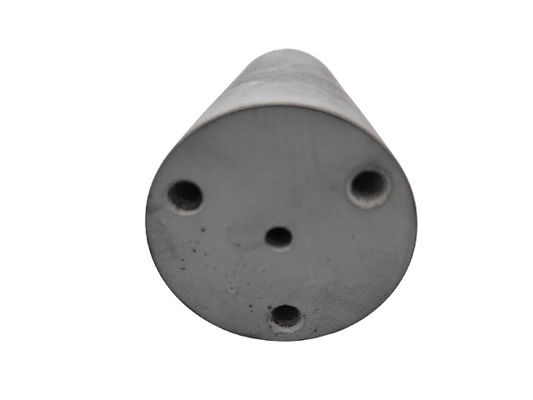
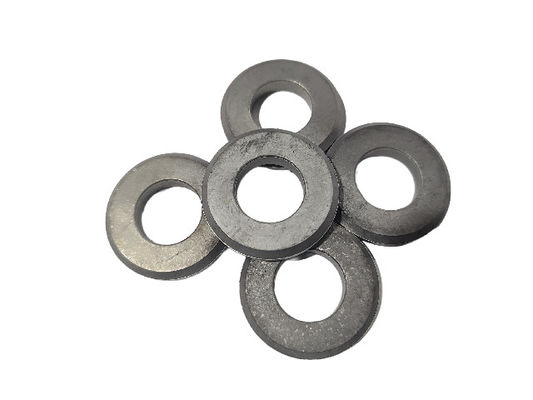
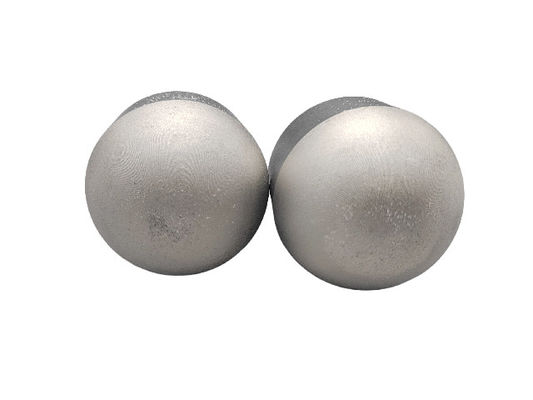
In the realm of industrial materials, few substances demonstrate the remarkable combination of hardness and durability exhibited by cemented carbide. Often referred to as "industrial teeth," this composite material outperforms even hardened steel in demanding applications, driving manufacturing progress across multiple sectors.
Cemented Carbide: The Perfect Fusion of Metal and Ceramic
Cemented carbide, also known as tungsten carbide, represents an ingenious composite material combining hard phases (typically carbides) with binding metals. This material isn't a single compound but rather an engineered combination of multiple components. Tungsten carbide (WC), titanium carbide (TiC), and tantalum carbide (TaC) commonly serve as the hard phases, while cobalt (Co) typically functions as the binding metal.
This composite structure delivers unique performance characteristics. The carbide components provide exceptional hardness and wear resistance, enabling operation in severe cutting and abrasive environments. Meanwhile, the metallic binder offers crucial toughness and strength, allowing the material to withstand impact and vibration without brittle fracture. This optimal balance between hardness and toughness makes cemented carbide ideal for cutting tool applications.
Performance Advantages: Faster, Stronger, More Durable
Compared to traditional tool materials like high-speed steel, cemented carbide tools demonstrate superior cutting performance in several key aspects:
-
Higher cutting speeds:
Cemented carbide tools maintain hardness at elevated temperatures, permitting faster machining rates that boost productivity.
-
Superior surface finish:
Components machined with carbide tools achieve better surface quality, particularly important for precision instruments and molds.
-
Extended tool life:
Exceptional wear resistance reduces tool change frequency, lowering production costs.
-
Broader material compatibility:
These tools effectively machine challenging materials including carbon steel, stainless steel, and high-temperature alloys.
While offering significant advantages, cemented carbide tools present certain limitations including higher costs and greater brittleness. Material selection requires careful consideration of machining requirements and economic factors.
Manufacturing Process: The Art of Powder Metallurgy
Cemented carbide production employs powder metallurgy techniques through several critical stages:
-
Formulation:
Precise mixing of carbide and binder metal powders in specific ratios.
-
Blending:
Thorough homogenization to ensure uniform composition.
-
Compaction:
Pressing blended powders into desired shapes to form green compacts.
-
Sintering:
High-temperature processing near the binder's melting point to create dense carbide structures.
-
Finishing:
Grinding and polishing to achieve final dimensions and surface quality.
During sintering, molten binder permeates carbide particles, forming a continuous metallic matrix while carbide grains provide reinforcement. Modern production increasingly incorporates hot isostatic pressing (HIP) to eliminate internal defects and enhance material density.
Material Varieties: Tailored Solutions for Diverse Needs
Cemented carbide formulations vary according to application requirements:
-
WC-Co alloys:
The most common type, combining tungsten carbide with cobalt binder, excels in machining cast iron and non-ferrous metals.
-
WC-TiC-Co alloys:
Titanium carbide additions improve wear resistance and oxidation stability for steel machining.
-
WC-TaC-TiC-Co alloys:
Tantalum carbide enhances toughness for interrupted cutting operations.
-
Coated carbides:
Thin film coatings (TiN, TiC, TiCN, TiAlN, AlTiN) further improve hardness, wear resistance, and thermal properties.
Industrial Applications: The Ubiquitous "Industrial Teeth"
Cemented carbide serves critical functions across multiple industries:
-
Cutting tools:
Dominating turning, milling, drilling, and boring operations for diverse materials.
-
Mining equipment:
Drill bits, cutting picks, and rock tools for mineral extraction.
-
Forming dies:
Wire drawing, stamping, and cold heading applications.
-
Wear components:
Nozzles, seals, and bearings requiring extreme durability.
-
Specialized uses:
Aerospace, medical devices, and electronics applications.
Future Directions: Precision, Performance, and Intelligence
Emerging trends in cemented carbide development include:
-
Microstructural refinement:
Nanocrystalline carbide development for enhanced properties.
-
Advanced materials:
Gradient and self-sharpening carbide formulations.
-
Smart tools:
Integrated sensors for real-time process monitoring.
-
Sustainable production:
Near-net shaping and recycling technologies.
Recycling and Sustainability: Closing the Material Loop
With increasing carbide tool usage comes growing scrap volume. Recycling processes (mechanical and chemical) recover valuable tungsten and cobalt while reducing environmental impact. Efficient reclamation supports both economic and ecological objectives.
Material Identification: Understanding Grade Designations
Standardized grade systems facilitate material selection:
-
Chinese system:
"YG" (WC-Co), "YT" (WC-TiC-Co), "YW" (WC-TaC-TiC-Co) prefixes with cobalt percentage.
-
ISO standards:
"K" (cast iron), "P" (steel), "M" (non-ferrous) classifications.
-
American system:
"C"-prefixed grades indicating hardness and wear resistance.
Tool Maintenance: Maximizing Performance Life
Proper care extends carbide tool service through:
-
Regular wear inspection and timely replacement
-
Secure tool mounting to prevent vibration
-
Optimal parameter selection for each application
-
Consistent chip removal and cleaning
-
Proper storage to avoid damage
Prospects and Challenges: The Road Ahead
While cemented carbide remains indispensable for modern manufacturing, the industry faces challenges including raw material costs and environmental regulations. Continued innovation in materials and processes will be essential to maintain this vital material's position in advanced manufacturing ecosystems.
From early tungsten-cobalt formulations to today's sophisticated composites, cemented carbide's evolution mirrors humanity's relentless pursuit of engineering excellence. As new materials and technologies emerge, this remarkable material will continue enabling manufacturing advancements across global industries.


 Your message must be between 20-3,000 characters!