October 6, 2026
In precision manufacturing, the quality of hole machining directly determines component assembly accuracy and service life. When drill bit cutting edges develop minor chips or wear, issues such as hole diameter deviation and excessive surface roughness inevitably follow, potentially leading to entire batches of workpieces being scrapped. Consequently, selecting high-quality carbide drill bits serves not only as a means to enhance production efficiency but also as a cornerstone for ensuring stable machining processes.
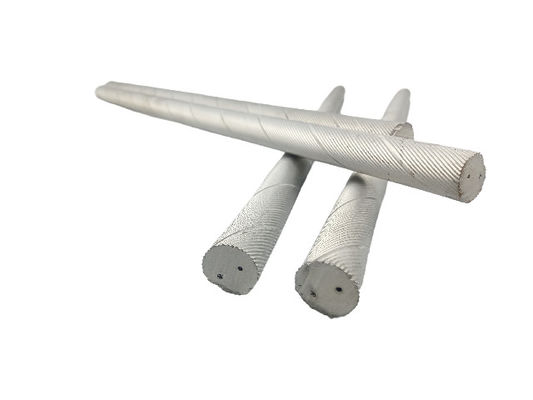
Carbide, renowned for its exceptional hardness, high wear resistance, and superior thermal stability, has become the preferred tool material for modern CNC machining. Compared to traditional high-speed steel (HSS) drill bits, carbide bits demonstrate remarkable rigidity when processing high-hardness alloy steels, stainless steels, and difficult-to-machine materials. This characteristic effectively reduces vibration during cutting operations while maintaining precise hole positioning.
Surface treatment technology represents a critical variable determining a tool's cutting lifespan. Practical applications require careful selection of coating solutions based on machining environments:
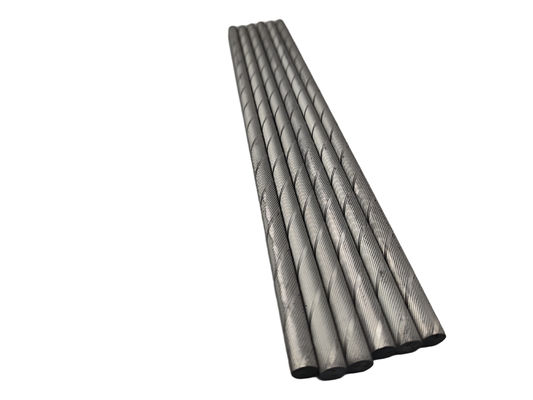
Industrial-grade drill bit sets follow a "modular response" design philosophy. Ranging from 13-piece sets for small precision operations to comprehensive 115-piece sets covering full-size specifications, these systematic solutions enable workshops to efficiently handle diverse, small-batch production requirements. Such standardized configurations not only simplify inventory management but also ensure consistent tool performance across various hole diameters.
In high-end manufacturing chains, tool geometric precision directly translates to productivity. Drill bits manufactured using CNC precision grinding processes undergo rigorous calibration of helix angles, point angles, and margin widths. Selecting domestically produced tools that meet stringent manufacturing standards helps prevent machining errors caused by geometric deviations at the source. Through scientific tool management and selection strategies, manufacturers can significantly reduce per-hole machining costs while maximizing production efficiency.