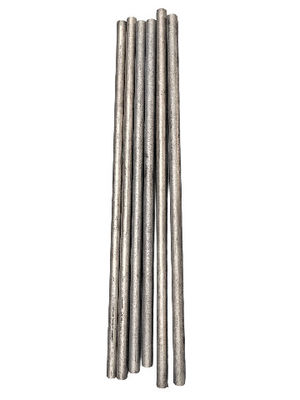
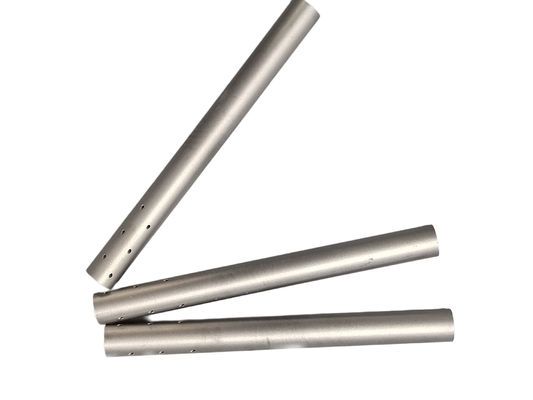
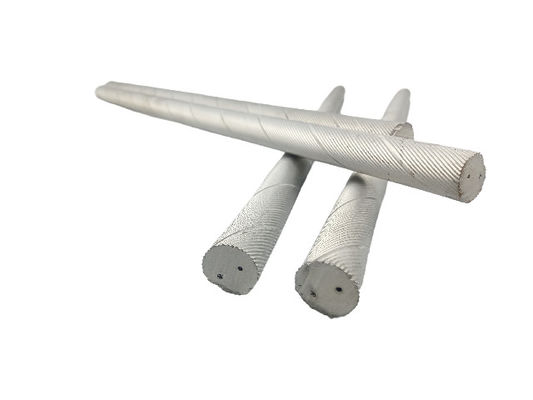
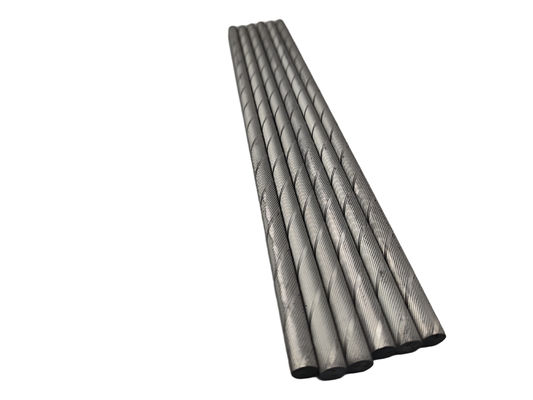
In precision welding processes, particularly those requiring high-quality materials and exact weld joints, Tungsten Inert Gas (TIG) welding plays a critical role. While the welding torch, power source, and shielding gas are essential components, the non-consumable, heat-resistant tungsten electrode remains the key factor in achieving optimal welding results. With numerous tungsten electrode types available, selecting the appropriate one presents a significant challenge. This comprehensive analysis examines TIG welding tungsten electrode parameters to provide engineers and welding professionals with guidance for selecting and optimizing TIG welding processes.
TIG Welding Tungsten Electrodes: Materials, Color Coding, and Performance
As the name suggests, tungsten serves as the primary component of these electrodes. While green TIG welding electrodes consist of pure tungsten, most others incorporate oxides such as zirconium oxide, lanthanum oxide, cerium oxide, or thorium oxide, with some containing rare earth oxides. These additives significantly influence electrode performance, affecting arc stability, ignition capability, current-carrying capacity, and service life.
Different tungsten electrode types feature color coding for easy identification and selection. Below we detail the characteristics and applications of various electrodes:
E3® PRO (Purple-Gold)
The upgraded version of ABICOR BINZEL's E3® series, this electrode suits all welding processes. Its unique rare earth oxide composition and advanced manufacturing process create a finer, more uniform structure that significantly improves ignition performance, particularly in low-current ranges. With extended service life, it works for both DC and AC welding in manual and automated applications. This non-toxic electrode presents an environmentally friendly option for universal TIG welding.
E3® (Purple)
Developed by ABICOR BINZEL with rare earth oxides, this electrode performs well in both DC and AC welding. Capable of welding nearly any metal, its excellent ignition properties make it ideal for automated welding. During operation, the electrode maintains lower temperatures, ensuring better current-carrying capacity and longer service life compared to thoriated tungsten electrodes, while being safer and more environmentally friendly.
WLa (Black, Gold, Blue)
Primarily used for welding non-alloyed and high-alloy steels, aluminum, titanium, copper, and magnesium alloys, these lanthanum oxide-doped electrodes work for both DC and AC welding. The gold variant also serves well in micro-plasma welding. WLa electrodes come in three types based on lanthanum oxide content:
-
Black: WLa 10 – Contains 0.8% to 1.2% lanthanum oxide
-
Gold: WLa 15 – Contains 1.3% to 1.7% lanthanum oxide
-
Blue: WLa 20 – Contains 1.7% to 2.2% lanthanum oxide
WCe (Gray)
The addition of cerium oxide makes these electrodes more elastic than pure tungsten but less effective than E3® or lanthanum electrodes. Designed primarily for low-to-medium current ranges, they weld non-alloyed and high-alloy steels, plus aluminum, copper, nickel, titanium, and magnesium alloys. While usable for both AC and DC welding, their performance doesn't match ABICOR BINZEL's E3® electrodes.
WP (Green)
These undoped electrodes work exclusively with sine-wave AC current for welding light metals and aren't suitable for DC welding. Due to pure tungsten's inertia and high work function preventing pure square wave formation, these electrodes shouldn't be used with inverter power sources. E3® electrodes serve as ideal replacements.
WZr (White)
Zirconium oxide doping reduces contamination risk in weld metal. Primarily for AC welding due to limited DC applicability, zirconium oxide ensures extremely stable arcs in AC applications. However, zirconium oxide electrodes demonstrate poor ignition performance.
Key Selection Factors for Tungsten Electrodes
Choosing the appropriate electrode proves crucial for welding quality. Consider these key factors:
-
Electrode Type: Select based on welding material, process (AC or DC), and current range
-
Electrode Diameter: Must match welding current—smaller diameters for low currents, larger for high currents
-
Grinding Quality and Roughness: Affects arc stability and ignition performance—high-quality grinding ensures stable arcs and good ignition
-
Tip Geometry: Influences weld shape and penetration—tapered tips for narrow, deep welds; rounded tips for wide, shallow welds
Grinding Quality and Roughness
Proper grinding before use significantly impacts performance. Grinding direction affects arc behavior—always grind parallel to the electrode's longitudinal (axial) direction. Transverse (radial) grinding creates unstable arcs and may introduce tungsten particles into weld metal, causing contamination. Axially ground electrodes provide excellent ignition, stable arcs, and good electron emission.
TIG Welding Electrode Tip Geometry
ABICOR BINZEL's universal E3® and E3® PRO electrodes deliver optimal results when ground at 60 degrees within specified current ranges. For lower current ranges, approximately 30-degree angles work better, possibly requiring switching to finer electrodes.
Larger 60-degree grinding angles produce narrower welds with higher current-carrying capacity and extended service life.
Selecting the Right TIG Welding Electrode
The following table compares common tungsten electrode types, showing their applications and performance characteristics to help identify the best option for specific welding processes. The data clearly demonstrates that E3® and E3® PRO offer universal application with superior performance across all parameters:
| Characteristic |
E3® PRO |
E3® |
WLa 15 |
WLa 20 |
WCe 20 |
WP |
WZr 08 |
| Color |
Purple-Gold |
Purple |
Gold |
Blue |
Gray |
Green |
White |
| DC Negative |
++++++++ |
++++++++ |
++++++ |
++++++ |
++++++ |
– |
– |
| AC |
++++++++ |
++++++++ |
++++++ |
++++++ |
++++++ |
++++ |
+ |
| Arc Stability |
++++++++ |
++++++ |
++++ |
++++ |
++++ |
– |
+ |
| Ignition |
++++++++ |
++++++++ |
++++++++ |
++++++++ |
++++++ |
+++ |
– |
| Service Life |
++++++++++++++++ |
++++++++++++++ |
++++++ |
++++++ |
++++ |
++ |
+ |
| High-Alloy Steel |
++++++++ |
++++++++ |
++++++++ |
++++++++ |
++++++ |
– |
– |
| Aluminum |
++++++++ |
++++++++ |
++++++++ |
++++++++ |
++++++ |
++++ |
+ |
Conclusion
Selecting and optimizing TIG welding tungsten electrodes involves complex considerations. By understanding different electrode characteristics, selection criteria, and grinding techniques, welding professionals can significantly improve weld quality and efficiency. This guide provides the necessary information to make informed decisions for achieving optimal TIG welding results.


 Your message must be between 20-3,000 characters!