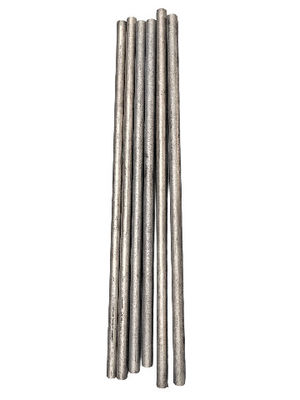
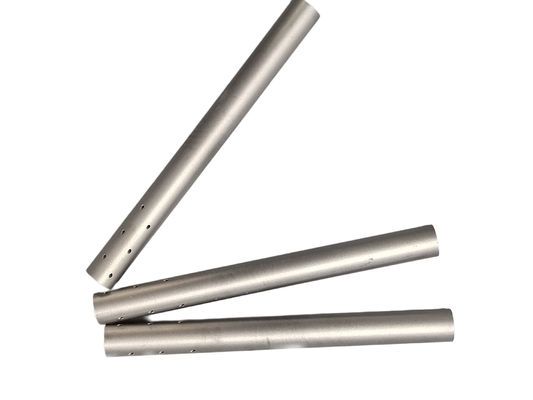
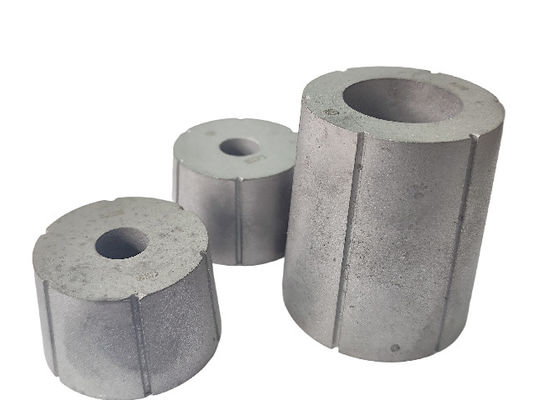
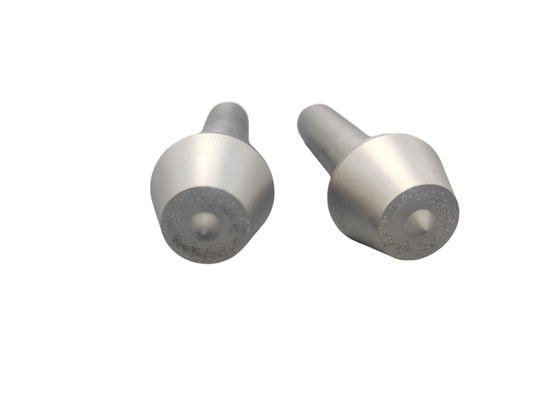
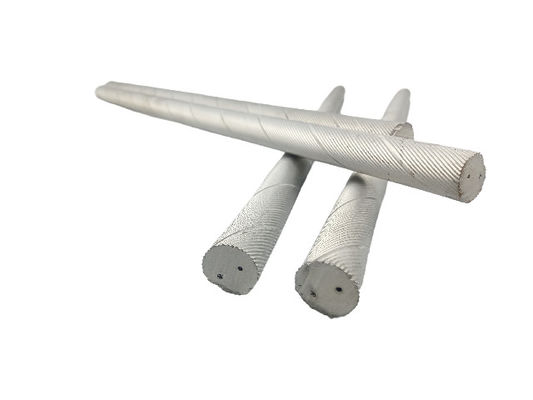
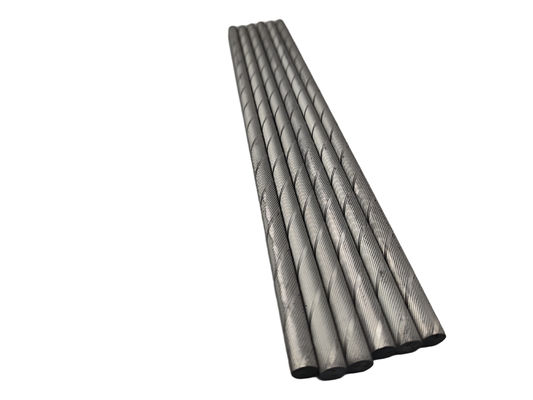
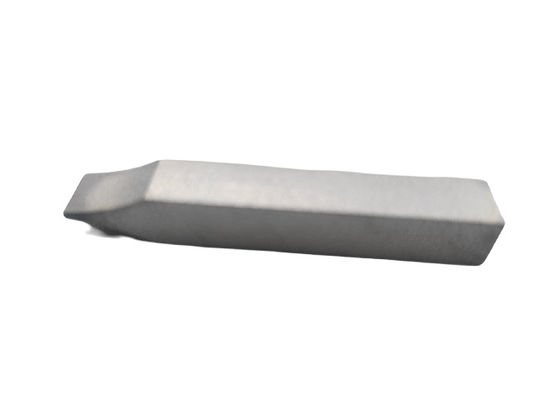
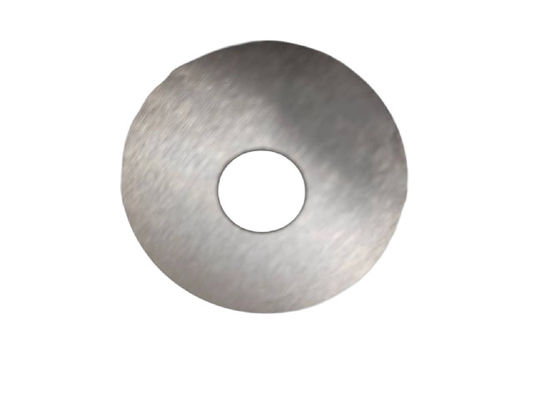
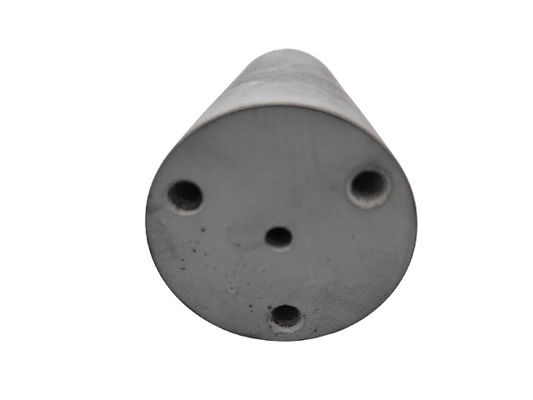
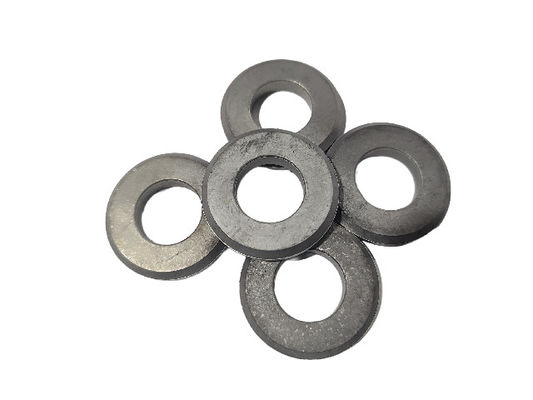
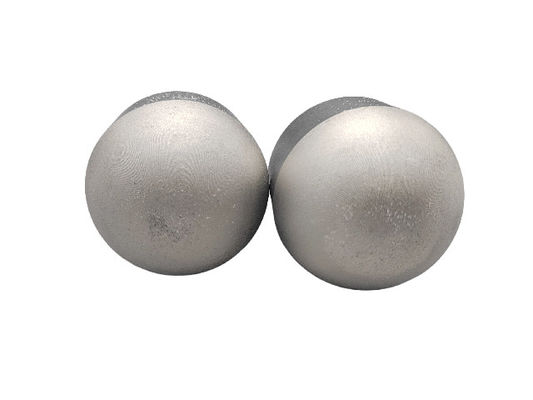
In the vast universe of modern manufacturing, precision and efficiency shine as twin guiding stars, driving countless enterprises to explore and innovate. Supporting this relentless pursuit lies a fundamental material that serves as the cornerstone for precision machining across industries—cemented carbide blanks. From aerospace to automotive manufacturing and cutting-edge electronics, these blanks have become indispensable due to their exceptional wear resistance, heat tolerance, and customizability.
The Science Behind Cemented Carbide Blanks
Far from ordinary industrial materials, cemented carbide blanks primarily consist of tungsten carbide—a compound that grants them extraordinary hardness and resilience in extreme environments. This makes them ideal for producing cutting tools, dies, and punches that must maintain precision and sharpness under demanding conditions.
The advantages of high-quality cemented carbide blanks include:
Exceptional Hardness and Wear Resistance
Tungsten carbide provides hardness second only to diamond, enabling tools made from these blanks to withstand high-speed cutting and heavy loads while maintaining sharpness—directly improving machining efficiency and product quality.
Superior Heat Resistance
Unlike most metals that soften at high temperatures, cemented carbide retains its hardness and strength, making it suitable for machining heat-resistant alloys and stainless steel.
Chemical Stability
With excellent oxidation and corrosion resistance, these materials perform reliably in harsh chemical environments, ensuring prolonged tool life and machining accuracy.
Customization Capabilities
By adjusting tungsten carbide grain size and binder composition, manufacturers can tailor blanks to specific requirements for hardness, toughness, and wear resistance. Pre-forming various shapes further reduces secondary processing needs.
Precision Manufacturing Process
-
Material Selection: High-purity tungsten carbide powder and binders (typically cobalt) undergo strict quality control to ensure proper purity and particle size.
-
Mixing: Precise proportions of materials are homogenized using specialized equipment to guarantee uniform microstructure.
-
Compaction: Powder mixtures are pressed into blanks under controlled pressure, speed, and duration to achieve optimal density.
-
Sintering: The critical phase where blanks are heated in controlled atmospheres to form metallurgical bonds between carbide particles, creating dense final products.
-
Post-Processing: Grinding, polishing, and coating enhance dimensional accuracy, surface quality, and wear resistance for specific applications.
Industrial Applications
Automotive Manufacturing
Used extensively in machining engine, transmission, and chassis components, these materials ensure efficient processing of various metals while maintaining part quality.
Aerospace Engineering
Their heat and wear resistance make them ideal for aircraft engine components and structural parts requiring extreme durability.
Electronics Production
As devices miniaturize, carbide dies enable precision manufacturing of integrated circuits, connectors, and casings with micron-level accuracy.
Tool and Die Making
From plastic injection molds to metal stamping dies, carbide blanks extend tool life and improve production efficiency across manufacturing sectors.
Sustainability and Future Directions
With growing environmental awareness, the industry focuses on sustainable practices like recycling tungsten carbide from used tools—reducing resource consumption and pollution. Future advancements aim to:
-
Enhance performance through novel materials and processes
-
Develop composite materials combining carbide with ceramics or metals
-
Integrate smart technologies for real-time tool monitoring
-
Implement greener production methods and recycling techniques
As manufacturing evolves, cemented carbide blanks will continue enabling precision across industries through ongoing innovation and responsible production.


 Your message must be between 20-3,000 characters!