In the rapidly evolving industrial manufacturing sector, achieving the optimal balance between cost control and performance excellence has become crucial for maintaining competitive advantage. The challenge lies in finding solutions that simultaneously enhance tool performance while significantly reducing manufacturing costs.
Modern machining workshops feature high-performance CNC machines operating at remarkable speeds, processing metals, wood, and concrete with precision. However, tool lifespan, accuracy, and production costs remain persistent bottlenecks affecting both efficiency and profitability. Traditional tool materials often suffer from rapid edge deterioration, leading to frequent replacements and regrinding that consume valuable time and inflate production expenses.
Sinter Sud's Tungsten Carbide Blanks: The Smart Solution
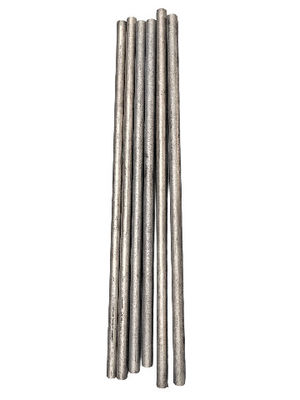
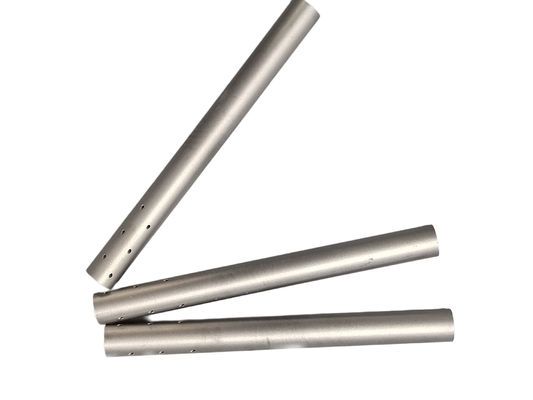
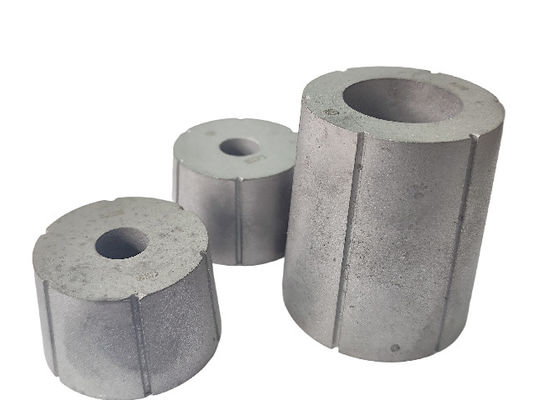
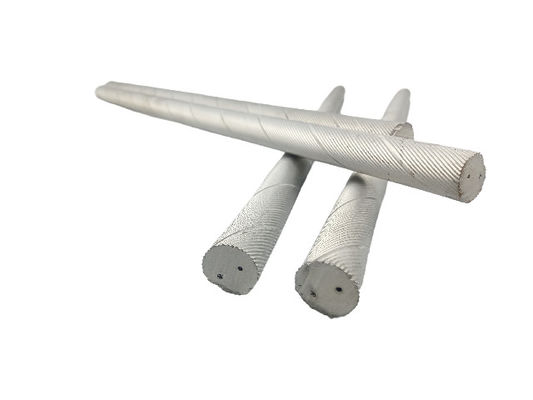
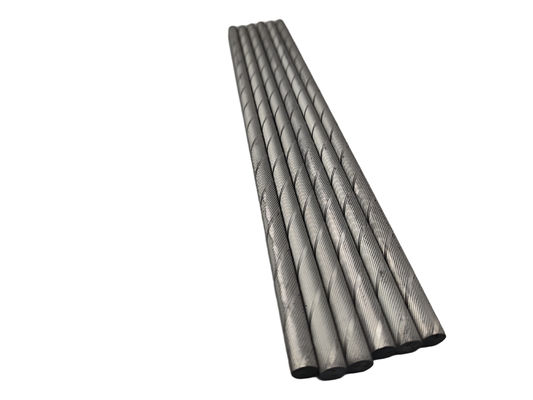
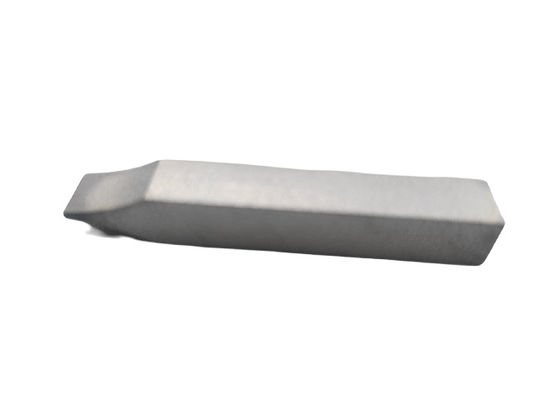
Sinter Sud introduces its comprehensive range of tungsten carbide blanks - precision-preformed rectangular bars designed for creating versatile, high-performance cutting tools. These blanks effectively balance industrial-grade quality with processing efficiency, meeting rigorous demands for cost-effectiveness and consistency across applications.
While tungsten carbide remains the ideal material for high-performance machining, its substantial cost often represents a significant investment for tool manufacturers. In today's cost-conscious market environment, Sinter Sud's carbide blanks provide an economically viable alternative without compromising quality.
Superior Performance That Redefines Tool Economics
These blanks deliver reliable and consistent performance in applications where tool economics are paramount. They represent a prudent investment choice, maximizing returns for tool manufacturers through extended tool life and simplified production processes. The blanks enable development of high-quality mass-production tools at competitive prices while improving machining ease and tool handling characteristics.
Premium Grades for Enhanced Tool Longevity
Manufactured using stable tungsten carbide grades like K10F, these blanks significantly improve tool lifespan and performance. The selected carbide grades enable faster cutting speeds, superior surface finishes, and more stable cutting performance, allowing users to achieve greater value with fewer tools.
Innovative Processing: Simplified Workflows
With hardness significantly exceeding steel and other traditional tool materials, these carbide blanks prove ideal for creating tools that process metals, wood, and concrete. The resulting cutting edges maintain sharpness longer, dramatically reducing regrinding frequency and substantially extending tool service life.
Reducing Tool Manufacturing Costs
The preformed rectangular blanks allow tool manufacturers to grind them into specific edge geometries as needed. Compared to processing from raw materials, these blanks save considerable time and effort while reducing machining costs. Manufacturers can focus on final tool design and finishing rather than complex material handling and preliminary forming operations.
Applications Across Industries
-
Precision Reamers:
Provide cost-effective solutions for producing and replacing reamers - rotating cutting tools for finishing drilled, punched, or bored holes.
-
Woodworking Cutters:
Enable production of high-performance carbide inserts for woodworking tools, offering superior hardness, wear resistance, and cutting efficiency compared to traditional steel.
-
Industrial Woodworking Tools:
Particularly beneficial in high-volume production environments, reducing downtime associated with frequent edge maintenance.
-
Specialized Forming Applications:
Widely used for custom blades, dies, glass processing tools, and forming molds that require durable, sharp cutting edges.
Key Characteristics
All blanks feature rectangular cross-sections with carbide grades specifically formulated to meet tool manufacturers' performance requirements for demanding cutting applications.
Available Grades and Specifications
|
Grade
|
Applications
|
|
K10F
|
Non-heat-treated steels up to 40 HRC, aluminum alloys, cast iron, and non-ferrous materials
|
|
K30
|
Applications requiring moderate wear resistance and high toughness, particularly suitable for woodworking and interrupted cutting
|


 Your message must be between 20-3,000 characters!