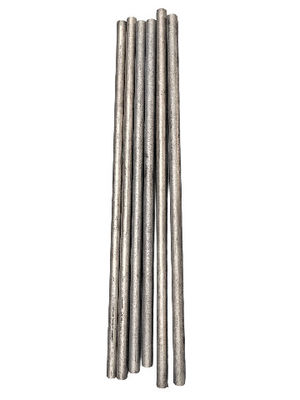
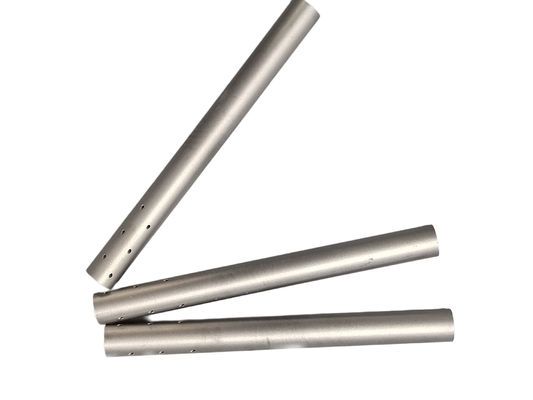
In modern engineering structures, threaded rods serve as essential fastening components with applications spanning construction, bridges, machinery, power systems, and chemical plants. From towering skyscrapers to precision mechanical equipment, these unassuming components play a vital role in load transmission, component fixation, and structural stability.
Chapter 1: Length – Precision Matching for Secure Connections
The length of a threaded rod fundamentally determines its suitability for specific applications. Improper length selection can compromise connection integrity or lead to installation challenges.
1.1 Standard Sizes and Measurement Techniques
Available lengths typically range from 36 inches (914 mm) to 144 inches (3658 mm), with custom options for specialized requirements. Accurate measurement requires consideration of:
-
Connected component thickness
-
Required thread engagement for proper preload
-
10-20% allowance for adjustments
1.2 Application-Specific Selection
Heavy steel beam connections in bridge construction often require rods exceeding 100 inches, while equipment mounting typically uses 36-48 inch variants. Embedded connections demand precise calculations based on anchor depth and component thickness.
Chapter 2: Thread Type – Coarse vs Fine Pitch Considerations
Thread configuration significantly impacts clamping force, vibration resistance, and installation efficiency.
2.1 Coarse Thread Characteristics
Advantages include easier installation and tolerance to dirty threads, making them ideal for:
-
Frequently disassembled connections
-
Construction environments
-
Static load applications
2.2 Fine Thread Advantages
Superior vibration resistance and higher clamping force suit:
-
High-speed rotating equipment
-
Aerospace applications
-
Precision adjustment requirements
Chapter 3: Material Selection – Performance Versus Economics
Material choice dictates strength, corrosion resistance, conductivity, and weight characteristics.
3.1 Common Material Properties
-
Steel:
Cost-effective with high strength (carbon steel for general use, alloy steel for extreme conditions)
-
Stainless Steel:
Superior corrosion resistance (304 for general use, 316 for marine/chemical environments)
-
Brass:
Excellent conductivity for electrical applications
-
Aluminum:
Lightweight solution for aerospace applications
Chapter 4: Corrosion Resistance – Extending Service Life
Environmental exposure necessitates careful corrosion protection evaluation.
4.1 Protection Methods
Options include:
-
Hot-dip galvanizing (outdoor applications)
-
Nickel plating (high-wear environments)
-
Dacromet coating (extreme conditions)
Chapter 5: Fastener Dimensions – Ensuring Proper Fit
Standardized sizing (e.g., 5/8"-11×6') indicates diameter, threads per inch, and length. Proper selection prevents under/over-engineering while accommodating vibration requirements through thread pitch selection.
Chapter 6: Compliance Standards – Quality Assurance
Key standards include:
-
ASTM A193 (high-temperature/pressure applications)
-
ASTM A307 (general carbon steel rods)
-
ISO 898-1 (international mechanical specifications)
Thorough evaluation across these six dimensions enables optimal threaded rod selection for any engineering application, balancing performance requirements with practical installation considerations and long-term reliability.


 Your message must be between 20-3,000 characters!