June 15, 2026
Many craftsmen and DIY enthusiasts face the frustration of rapidly dulling blades and subpar cutting performance. While steel tools may appear more affordable initially, carbide tools prove to be the wiser long-term investment for serious woodworkers and metalworkers alike.
Steel tools present an attractive price point at hardware stores, often costing significantly less than their carbide counterparts. However, this initial savings comes with substantial hidden costs that impact both productivity and final product quality.
The primary drawback of steel tools lies in their limited durability. Due to the inherent properties of steel, these tools experience rapid edge degradation when cutting hard materials or operating at high speeds. Frequent blade replacements not only increase tool expenses but also waste valuable working time.
Additional disadvantages include vibration during operation that produces rough cutting surfaces requiring extra finishing work, and thermal softening that compromises precision when working under high temperatures.
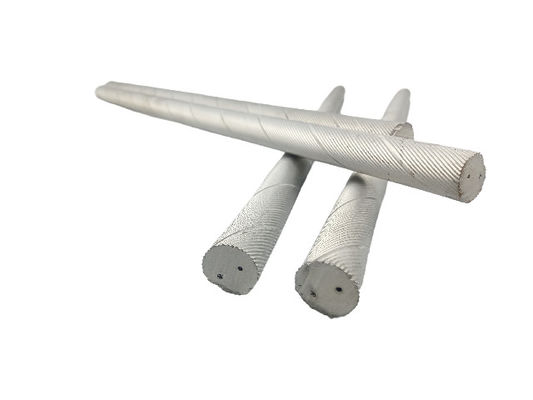
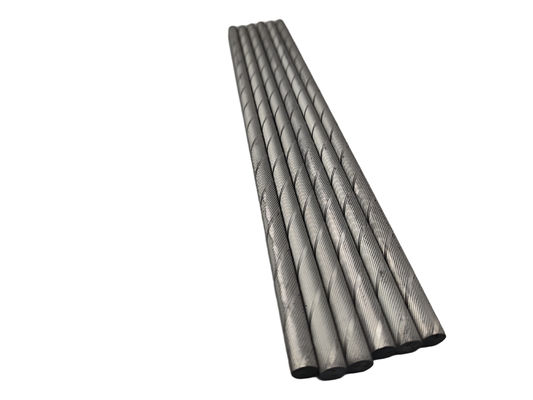
Carbide, also known as tungsten steel, represents a composite material created through powder metallurgy processes. This advanced material combines tungsten carbide particles with cobalt binders to achieve exceptional hardness, wear resistance, and thermal stability.
The exceptional properties of carbide originate from its unique composition and manufacturing process. Tungsten carbide (WC) particles provide extreme hardness, while cobalt binders deliver necessary toughness. Advanced sintering techniques create dense microstructures that balance durability and cutting performance.
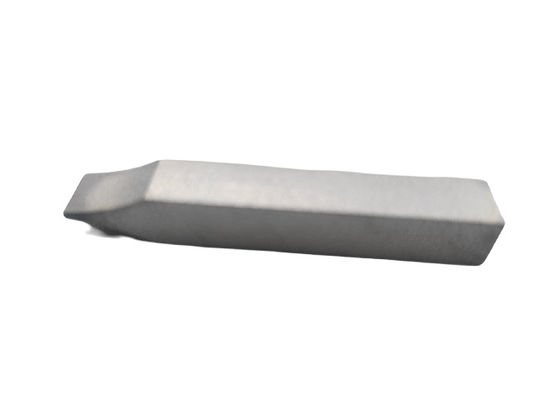
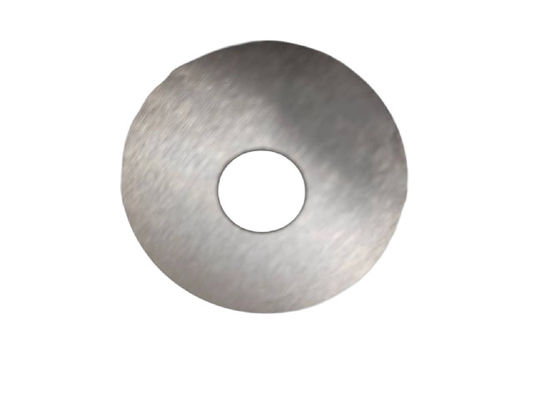
Carbide tools serve virtually all cutting applications across multiple industries:
When choosing carbide tools, professionals should consider:
Investing in quality carbide tools represents an investment in craftsmanship. These high-performance tools deliver consistent results, reduce downtime, and ultimately provide superior value for both professional tradespeople and dedicated hobbyists.