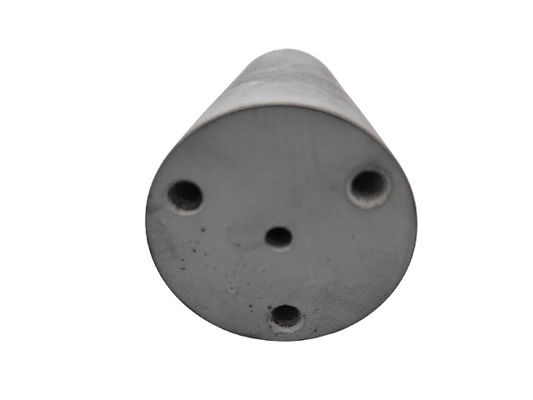
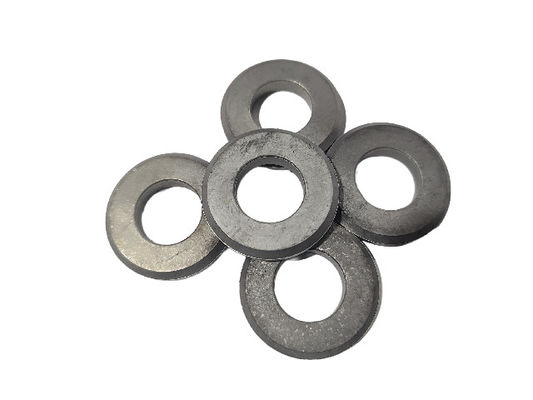
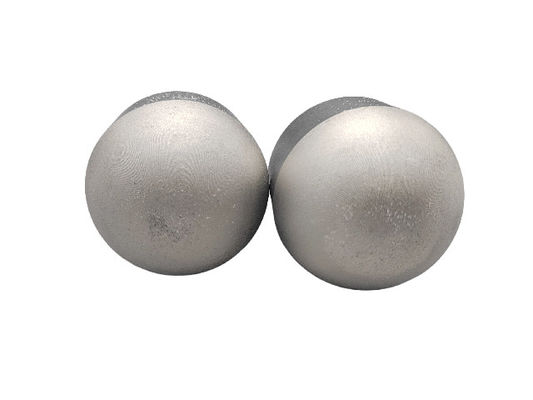
Tungsten wedding bands have gained popularity among modern couples due to their exceptional scratch resistance. However, several misconceptions persist about their durability. While many believe these rings are indestructible, the reality is more nuanced. How can rings known for their hardness sometimes crack or shatter?
Material Composition and Properties
Tungsten rings primarily consist of tungsten carbide, an extremely hard compound ranking between 8.5-9 on the Mohs hardness scale—second only to diamonds and significantly harder than traditional materials like gold or platinum. This hardness provides outstanding scratch resistance, maintaining a polished appearance through daily wear.
However, hardness differs from toughness. Materials with extreme hardness often exhibit brittleness. While tungsten rings resist scratches, they may fracture under sudden impact or pressure—similar to diamonds, which can shatter despite being the hardest natural substance.
Causes of Tungsten Ring Breakage
Primary reasons for tungsten ring failure include:
-
Impact Forces:
Sudden, concentrated impacts—such as dropping the ring onto hard surfaces or striking it against heavy objects—can exceed the material's tolerance, causing internal cracks that propagate rapidly.
-
Compressive Stress:
Although hard, tungsten cannot withstand excessive pressure. Manual labor involving squeezing or twisting forces increases fracture risk. Ill-fitting rings (especially tight sizes) are particularly vulnerable.
-
Manufacturing Flaws:
While modern production methods are advanced, microscopic defects occasionally occur. These imperfections may become failure points under stress.
-
Thermal Shock:
While tungsten itself tolerates high temperatures, tungsten carbide composites are sensitive to rapid temperature changes that induce internal stresses.
The Hardness-Toughness Tradeoff
Materials science reveals an inverse relationship between hardness and toughness. Tungsten carbide's selection for rings prioritizes scratch resistance—a key consumer demand—while accepting reduced impact resistance. Compared to gold rings that deform under pressure, tungsten's brittleness represents a conscious design compromise.
Preventing Tungsten Ring Damage
Practical measures can significantly reduce breakage risks:
-
Proper Sizing:
Ensure correct ring fit—neither too tight (increasing stress) nor too loose (raising impact risk). Professional sizing is recommended.
-
Impact Avoidance:
Remove rings during physical labor, sports, or activities involving hard impacts.
-
Regular Inspection:
Periodically examine rings for cracks or defects. Seek professional assessment for any abnormalities.
-
Reputable Retailers:
Purchase from established jewelers offering quality guarantees and after-sales services.
-
Warranty Review:
Understand coverage terms for manufacturing defects or accidental damage.
Maintenance and Care
Proper care extends tungsten ring longevity:
-
Cleaning:
Use warm water with mild soap. Avoid abrasive or chemical cleaners.
-
Storage:
Keep in soft, separate compartments to prevent surface damage.
-
Chemical Exposure:
Avoid contact with bleach, cleaning agents, or perfumes that may corrode the surface.
-
Professional Servicing:
Periodic jeweler visits restore luster through professional polishing.
Alternative Ring Materials
Comparative analysis of popular ring materials:
-
Gold:
Traditional choice with excellent malleability but prone to scratching (especially 24K). Often alloyed for durability.
-
Platinum:
Premium corrosion-resistant metal with hypoallergenic properties, though costly.
-
Titanium:
Lightweight and strong with good corrosion resistance, though less hard than tungsten.
-
Stainless Steel:
Affordable option with balanced durability, though less refined aesthetically.
Advantages and Limitations
Tungsten rings offer distinct benefits:
-
Superior scratch resistance
-
Long-lasting polish
-
Competitive pricing versus precious metals
-
Hypoallergenic properties
Key limitations include:
-
Brittleness under impact
-
Inability to resize or reshape
-
Limited design variations
Conclusion
Tungsten wedding bands deliver unmatched scratch resistance and enduring shine, making them a practical choice for active lifestyles. However, consumers should understand their physical limitations. Through proper sizing, impact avoidance, and regular maintenance, wearers can maximize their rings' lifespan. Ultimately, material selection should align with individual priorities—whether prioritizing scratch resistance, malleability, or aesthetic considerations.


 Your message must be between 20-3,000 characters!