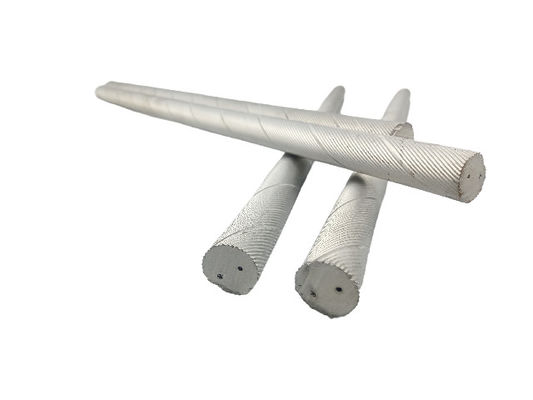
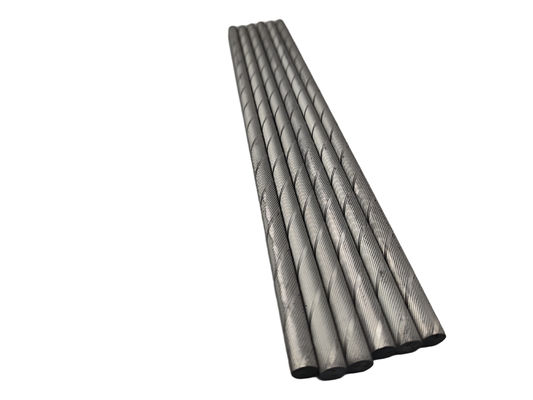
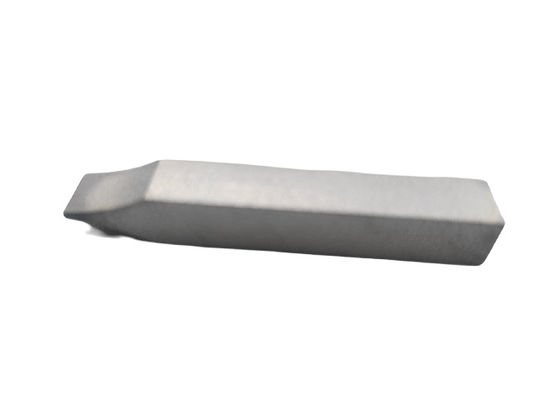
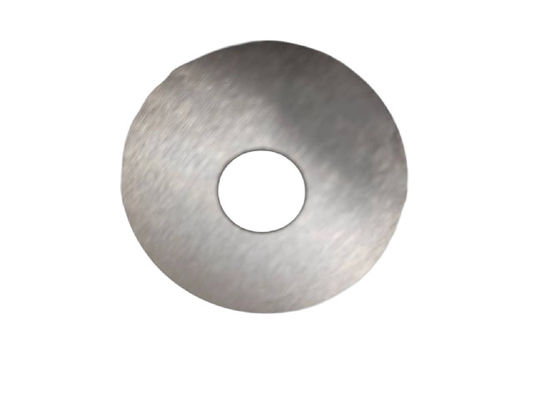
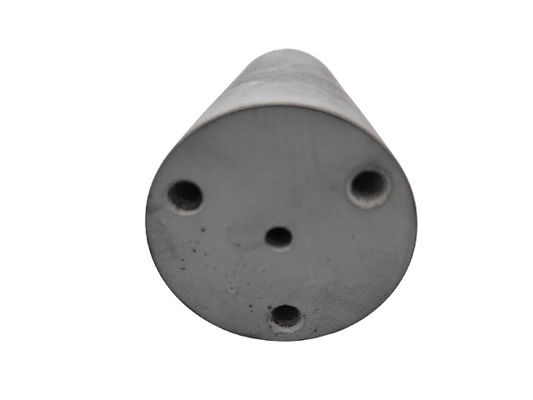
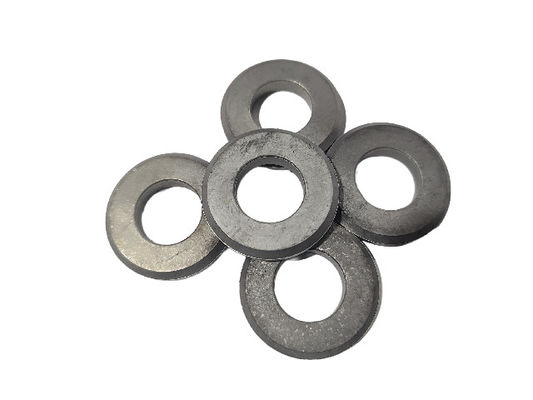
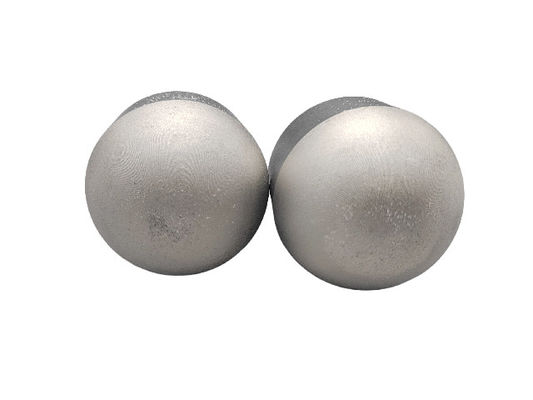
What enables cutting tools to slice through hardened steel, allows dies to withstand high-pressure stamping, and keeps precision measuring instruments accurate? The answer often points to one remarkable material - tungsten carbide. This isn't a simple metal but rather a composite material created by combining refractory metal carbides with binding metals through powder metallurgy. With exceptional hardness, wear resistance, and heat resistance, tungsten carbide plays an indispensable role in modern industry.
Tungsten Carbide: An Overview
Tungsten carbide, also called cemented carbide, is an alloy material primarily composed of one or more refractory metal carbides (such as tungsten carbide or titanium carbide) combined with a metallic binder (typically cobalt or nickel). The manufacturing process employs powder metallurgy techniques - mixing various component powders, pressing them into shape, then sintering to create a dense alloy where carbide particles bond with the binding agent.
This material combines high hardness, strength, wear resistance, and corrosion resistance, making it ideal for cutting tools, dies, and wear-resistant components.
Key Properties of Tungsten Carbide
The widespread industrial applications of tungsten carbide stem from its unique physical and chemical characteristics:
1. Exceptional Hardness and Wear Resistance
Tungsten carbide's most notable feature is its extreme hardness, reaching 86-93 HRA (equivalent to 69-81 HRC) at room temperature - far surpassing traditional tool steels. Remarkably, it maintains high hardness even at 900-1000°C, a property known as red hardness. This combination enables superior wear resistance, allowing tools to stay sharp under heavy loads and high speeds while dramatically extending service life.
Compared to high-speed steel tools, tungsten carbide tools can operate at 4-7 times higher cutting speeds while lasting 5-80 times longer, capable of machining materials up to 50 HRC hardness.
2. High Strength and Elastic Modulus
With compressive strength reaching 6000 MPa and elastic modulus of (4-7)×10^5 MPa - both significantly higher than high-speed steel - tungsten carbide resists deformation under pressure, ensuring machining precision. However, its bending strength remains relatively low (1000-3000 MPa), requiring careful handling to avoid impact or bending stresses.
3. Superior Corrosion and Oxidation Resistance
Tungsten carbide typically demonstrates excellent corrosion resistance against atmospheric conditions, acids, alkalis, and oxidation, enabling stable performance in harsh environments.
4. Low Thermal Expansion
The material's small thermal expansion coefficient minimizes dimensional changes during temperature fluctuations, crucial for precision machining applications.
5. Near-Net-Shape Manufacturing
Due to its extreme hardness and brittleness, tungsten carbide components typically require no post-sintering machining. When necessary, only specialized processes like EDM, wire cutting, electrolytic grinding, or special wheel grinding can be used. Components are usually manufactured to standard specifications then mounted to tool bodies or dies through brazing, bonding, or mechanical clamping.
Classification of Tungsten Carbide Alloys
Based on composition and properties, tungsten carbide alloys fall into three main categories: tungsten-cobalt (YG), tungsten-titanium-cobalt (YT), and tungsten-titanium-tantalum (niobium) (YW) types, with YG and YT being most common in production.
1. Tungsten-Cobalt Alloys (YG)
Composed primarily of tungsten carbide (WC) and cobalt (Co), these alloys are designated by "YG" followed by cobalt percentage (e.g., YG6 contains 6% cobalt and 94% WC). They offer high hardness and wear resistance with good bending strength and impact toughness, ideal for machining short-chipping ferrous/non-ferrous metals and non-metallic materials like cast iron, brass, and bakelite.
Higher cobalt content improves toughness but reduces hardness - thus YG6/YG8 suit finishing while YG15/YG20 serve roughing operations. Typical applications include turning tools, milling cutters, drills, and wire drawing dies.
Higher TiC content improves red hardness and wear resistance but reduces toughness - thus YT5/YT14 suit high-speed cutting while YT30 handles heavy loads. Common applications include steel-cutting turning tools and milling cutters.
2. Tungsten-Titanium-Cobalt Alloys (YT)
Containing WC, titanium carbide (TiC), and Co, these alloys (designated "YT" plus TiC percentage) offer better heat resistance and anti-adhesion properties than YG types, making them superior for steel machining. However, their lower bending strength and impact toughness limit use in high-impact applications.
3. Tungsten-Titanium-Tantalum (Niobium) Alloys (YW)
These "universal" alloys (designated "YW" plus serial numbers) combine WC, TiC, tantalum/niobium carbide (TaC/NbC), and Co. They merge the advantages of YG and YT types, offering balanced hardness, wear resistance, red hardness, and anti-adhesion properties for diverse materials including stainless steel. The added TaC/NbC enhances bending strength and impact toughness.
Industrial Applications
Tungsten carbide's exceptional properties enable diverse applications:
1. Cutting Tools
As the most widely used tool material, tungsten carbide appears in turning tools, milling cutters, planers, drills and more. YG types handle cast iron and non-ferrous metals; YT types machine steel; YW alloys process difficult materials like stainless steel. Within each type, higher-cobalt alloys suit roughing while lower-cobalt versions serve finishing.
2. Die Materials
Primarily used in cold work dies (drawing, punching, extrusion, forging dies), tungsten carbide selections balance wear resistance and toughness. Dies facing impact conditions (e.g., cold heading) require medium-high cobalt, medium-coarse grain grades like YG15C.
Common cold work die grades include YG15C, YG18C, YG20C, YL60, YG22C, and YG25C - progressing from left to right, hardness decreases while toughness increases.
3. Measuring Tools and Wear Parts
Tungsten carbide serves in wear-resistant surface plates and precision measuring components like grinding machine bearings, centerless grinder guides, and lathe centers.
Future Development Trends
Advancing industrial demands drive tungsten carbide innovation in several directions:
- Enhanced Performance: Optimizing composition, grain size control, and novel binders to improve hardness, wear resistance, toughness and red hardness for higher-speed, higher-precision machining.
- Composite Materials: Combining tungsten carbide with other materials through coatings or graded structures to achieve superior combined properties. Coated tools dramatically improve wear resistance and lifespan.
- Precision Manufacturing: Advancing powder metallurgy techniques and sintering equipment to meet precision machining requirements.
- Environmental Sustainability: Developing eco-friendly materials (e.g., cobalt-free binders) and low-energy, low-emission production processes.
Conclusion
As a high-performance material, tungsten carbide's exceptional hardness, wear resistance and versatile applications secure its critical position in modern manufacturing. Continuous technological advancements will further enhance its capabilities while expanding application frontiers, providing ever-stronger support for industrial development.


 Your message must be between 20-3,000 characters!