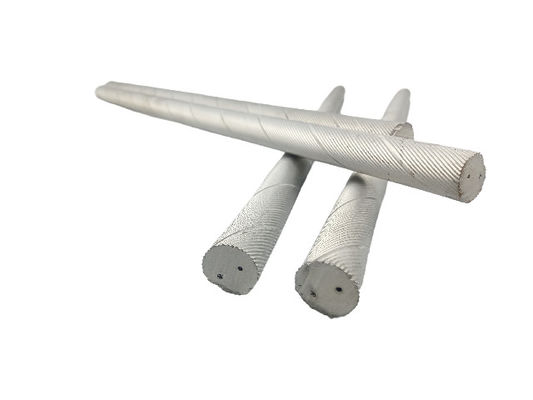
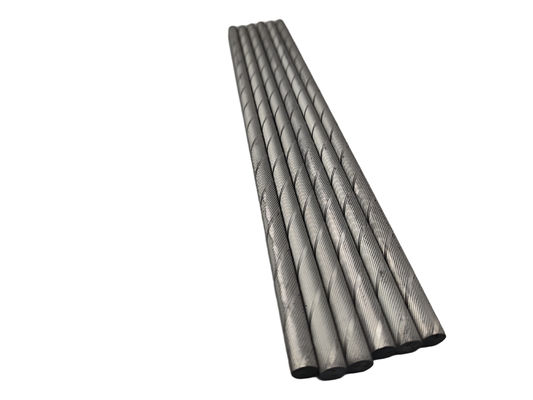
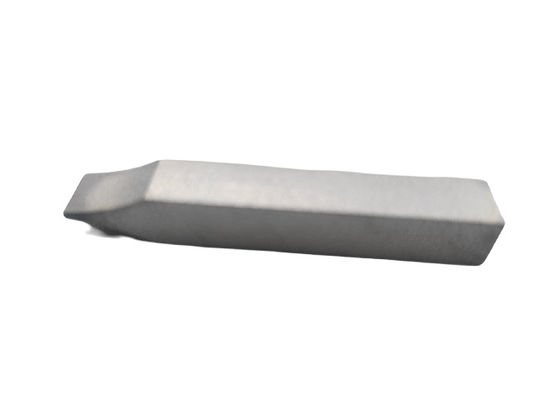
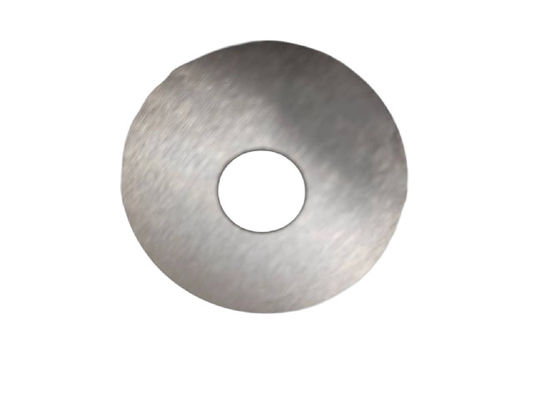
In the realm of modern precision machining, carbide end mills stand as indispensable tools, prized for their exceptional durability and versatility. Yet one critical performance factor often overlooked is hardness—the key determinant that can make or break your machining operation.
Carbide: The Foundation of Precision Machining
Before examining hardness, we must first understand carbide's fundamental nature. This remarkable material—a compound of carbon and metallic elements—delivers extraordinary hardness and wear resistance that makes it ideal for cutting tools. Tungsten carbide (WC) emerges as the preferred choice for end mills due to its exceptional hardness (second only to diamond) and thermal stability.
Hardness in carbide tools is typically measured using the Rockwell C scale (HRC). This standardized test employs a diamond cone indenter to evaluate material hardness under specific loads. Carbide end mills generally register between 60-70 HRC—a range that balances cutting performance with tool life.
The Advantages of High Hardness
Carbide end mills achieve their superior performance through carefully engineered hardness properties:
Exceptional Wear Resistance
The high hardness ensures outstanding wear resistance, allowing tools to maintain sharp cutting edges longer while reducing chipping and replacement frequency. This translates to less downtime and higher productivity.
High-Speed Machining Capability
Enhanced hardness enables operation at elevated speeds without cutting edge degradation. Manufacturers gain both increased throughput and smoother machining processes.
Hard Material Machining
When processing hardened steels, tool steels, and other challenging materials, carbide hardness becomes critical. Properly hardened tools efficiently cut these materials while maintaining reasonable tool life.
Thermal Resistance
Carbide's ability to withstand high temperatures minimizes tool failure risks from overheating. The combination of wear resistance, thermal stability, and hardness extends tool life—reducing costs through fewer tool changes and less material waste.
Factors Influencing Hardness
Several elements determine a carbide end mill's hardness characteristics:
Material Composition
The specific types and ratios of carbide particles (tungsten or chromium carbides) combined with binder metals (typically cobalt) fundamentally determine hardness. Different compositions produce varying hardness levels for specific applications.
Coating Technology
Advanced coatings with high microhardness ratings significantly enhance wear resistance and overall tool durability. These protective layers extend tool life while improving performance in demanding applications.
Microstructure Considerations
The size and uniform distribution of carbide particles within the binder matrix critically affect performance characteristics. Consistent microstructure ensures uniform hardness and wear resistance across the tool.
Selecting Optimal Hardness
Choosing appropriate hardness levels requires evaluating three key factors:
Workpiece Material
Different materials demand specific hardness levels. Hardened steels require greater hardness than aluminum, for example. Matching tool properties to material requirements ensures optimal performance.
Cutting Conditions
Parameters like cutting speed, feed rate, and depth of cut determine necessary hardness levels. Higher speeds and deeper cuts generally require increased hardness to maintain tool integrity.
Application Requirements
Some operations prioritize extreme hardness for wear resistance, while others need balanced hardness and toughness. Finishing tools often require greater hardness than roughing tools for superior surface finishes.
Future Trends in Carbide Hardness
As precision machining advances, several developments are shaping carbide hardness technology:
-
New carbide materials like nano-carbides and gradient carbides offering enhanced hardness and performance
-
Advanced coating technologies improving hardness, wear resistance, and thermal stability
-
Precision manufacturing processes controlling carbide particle distribution for optimized hardness
Conclusion
Understanding carbide end mill hardness forms the foundation for achieving superior performance, extended tool life, and reduced operational costs. From wear resistance to high-speed capability and hard material processing, hardness influences every aspect of machining performance. Integrating hardness considerations into tool selection processes ensures long-term machining success and efficiency.


 Your message must be between 20-3,000 characters!