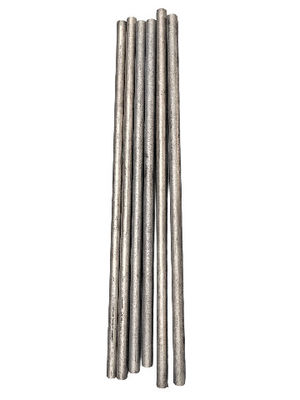
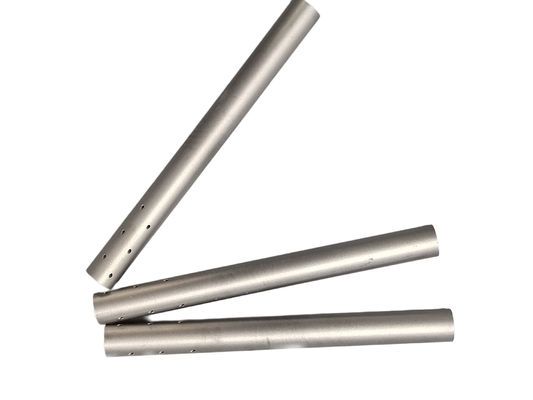
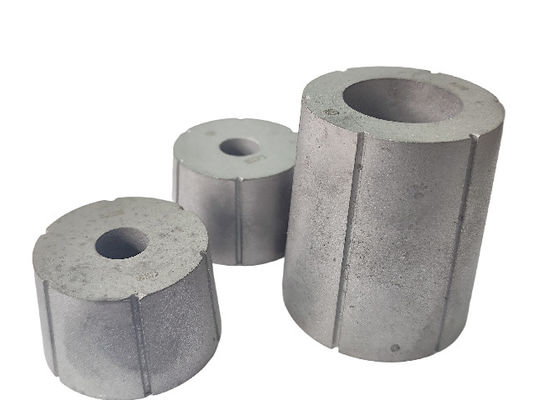
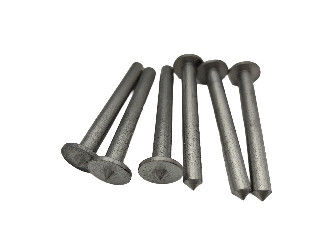
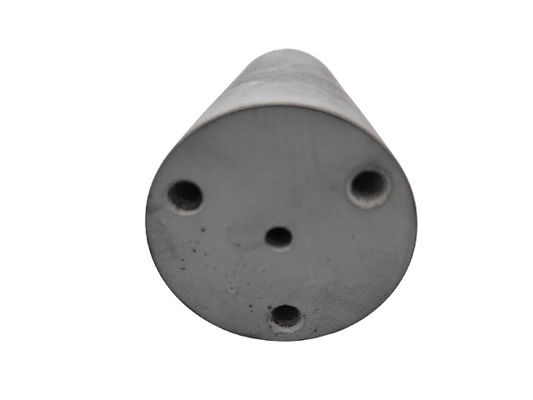
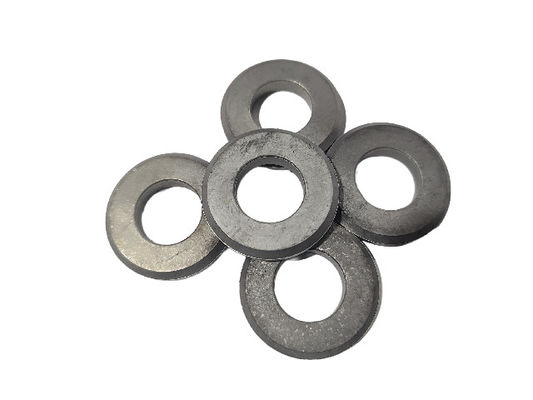
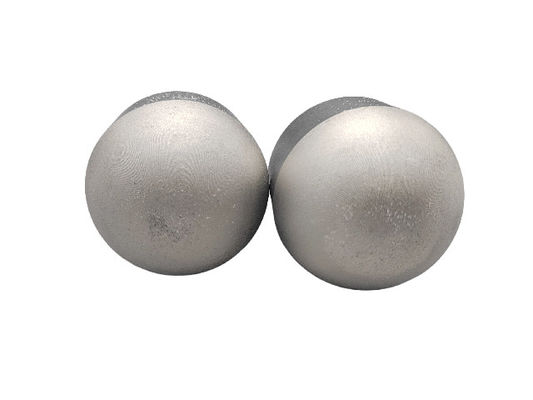
In environments where extreme heat, corrosive chemicals, and intense mechanical stress converge, conventional threaded rods often fail under pressure. For such demanding applications, Torlon® polyamide-imide (PAI) threaded rods emerge as a robust alternative, combining reliability with cutting-edge material science.
Unmatched Thermal Stability
Torlon® threaded rods excel in high-temperature environments, maintaining structural integrity at temperatures up to 275°C (525°F). This thermal resilience makes them indispensable in aerospace propulsion systems, automotive engine compartments, and petrochemical processing units where metal alternatives might degrade or lose tension.
Superior Mechanical Properties
Beyond temperature resistance, these rods exhibit exceptional tensile strength and dimensional stability under continuous load. Their resistance to creep prevents gradual loosening—a critical advantage in vibration-prone applications like aircraft assemblies or industrial machinery.
Chemical Resistance Redefined
Unlike metallic fasteners vulnerable to oxidation, Torlon® resists degradation from acids, alkalis, and industrial solvents. This property extends service life in chemical processing plants, pharmaceutical cleanrooms, and food production facilities where sanitation protocols involve aggressive cleaning agents.
Enhanced Variants: Glass-Reinforced Options
For applications demanding even greater performance, glass fiber-reinforced Torlon® rods offer improved stiffness and load-bearing capacity. These composites maintain their advantages in thermal and chemical resistance while accommodating higher mechanical stresses.
Cross-Industry Applications
-
Aerospace:
Engine component fastening where weight reduction and fire resistance are paramount
-
Energy Sector:
Offshore drilling equipment requiring corrosion-proof solutions
-
Electronics:
Insulating mounts for high-voltage components
-
Medical Technology:
Autoclavable instrument assemblies
-
Semiconductor:
Ultra-clean manufacturing environments with low outgassing requirements
The Lightweight Alternative
With a density approximately half that of steel, Torlon® rods enable weight-sensitive designs without sacrificing performance. This characteristic proves valuable in transportation applications where mass reduction translates directly to energy efficiency.
The material's dielectric properties further broaden its utility in electrical applications, eliminating risks of galvanic corrosion or short circuits common with conductive fasteners.


 Your message must be between 20-3,000 characters!