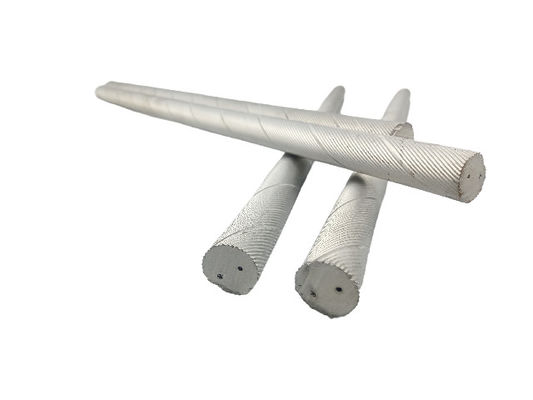
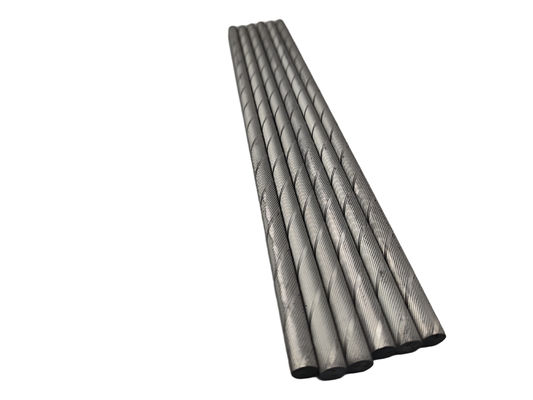
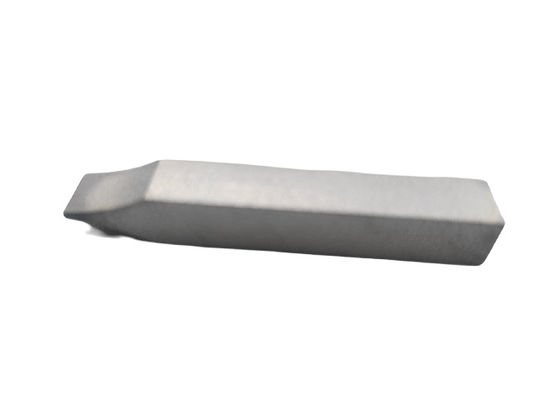
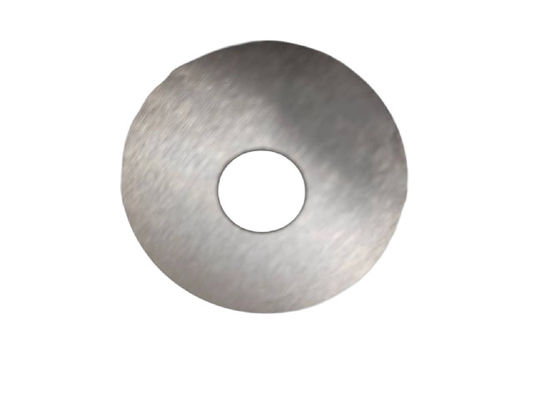
Frequent equipment downtime and costly part wear have long plagued industrial operations. A solution exists in the form of tungsten carbide, a material that combines steel-like toughness with exceptional resistance to friction, corrosion, and high temperatures.
The Composition of Tungsten Carbide
This remarkable compound consists of three key elements: tungsten, carbon, and cobalt. Tungsten provides extreme hardness and high melting points, carbon enhances strength, while cobalt acts as a binding agent that creates an exceptionally durable material structure.
Tungsten: The Metal World's Iron Man
With the highest melting and boiling points among metals, tungsten maintains stability under extreme conditions. Its applications range from rocket engine components to X-ray machine targets, where it withstands thousands of degrees while preserving structural integrity.
Carbon: The Strength Multiplier
The covalent bonds formed between tungsten and carbon create a material second only to diamond in hardness. This molecular partnership elevates tungsten carbide's durability to extraordinary levels.
Cobalt: The Master Binder
Cobalt's role as a binding agent not only enhances toughness but also improves machinability, creating a dense, robust material structure.
Exceptional Material Properties
Tungsten carbide's industrial value stems from several key characteristics:
-
Extreme Hardness: Ranking just below diamond, it resists scratching, wear, and deformation even in harsh conditions.
-
Superior Wear Resistance: The material withstands prolonged friction and impact with minimal wear, making it ideal for drill bits, cutting tools, bearings, and seals.
-
Corrosion Resistance: It maintains stability in acidic, alkaline, and saline environments, suitable for chemical processing and marine applications.
-
High Density: The material's mass and inertia make it perfect for vibration-resistant components like gyroscopes and counterweights.
-
Temperature Stability: It retains strength at elevated temperatures, ideal for engine components and high-temperature tools.
Industrial Applications
Tungsten carbide serves critical functions across multiple sectors:
-
Energy Sector: Drill bits penetrate hard rock formations in oil and gas extraction, while valves and seals control fluid flow.
-
Semiconductor Manufacturing: Precision molds and fixtures produce microchips, with protective coatings shielding equipment.
-
Electronics: Connectors, switches, and contacts ensure device reliability.
-
Mechanical Engineering: Cutting tools, molds, and bearings process various materials, while coatings enhance durability.
-
Tool Manufacturing: Drills, milling cutters, and saw blades benefit from extended service life.
-
Aerospace: Engine components, landing gear, and control systems maintain aircraft safety.
-
Automotive: Engine parts, braking systems, and suspensions improve vehicle performance.
Material Grades and Limitations
Various tungsten carbide grades exist, with differing ratios of constituent elements. High-tungsten formulations offer greater hardness for precision tools, while cobalt-rich versions provide impact resistance for dynamic applications.
The material's primary limitation lies in its brittleness. While exceptionally hard, it may fracture under heavy impact. Additionally, machining requires specialized techniques like electrical discharge or laser processing due to its extreme hardness.
Custom fabrication addresses these challenges, with specialized manufacturers producing precision components tailored to specific operational requirements. This approach ensures dimensional accuracy and optimizes performance for particular applications.


 Your message must be between 20-3,000 characters!