October 5, 2026
In the high-stakes arena of precision manufacturing, every drilling operation represents a battle against physical limitations. When machining AR500 armor steel, titanium alloys, or high-hardness heat-treated steels, conventional high-speed steel drills often fail catastrophically—softening, chipping, or breaking entirely. This mismatch between cutting force and material hardness creates costly downtime while jeopardizing both dimensional accuracy and operational reliability.
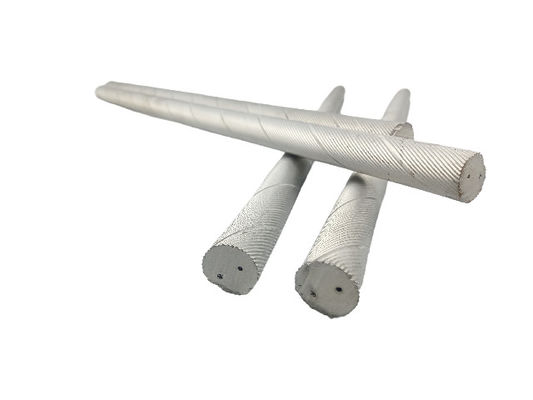
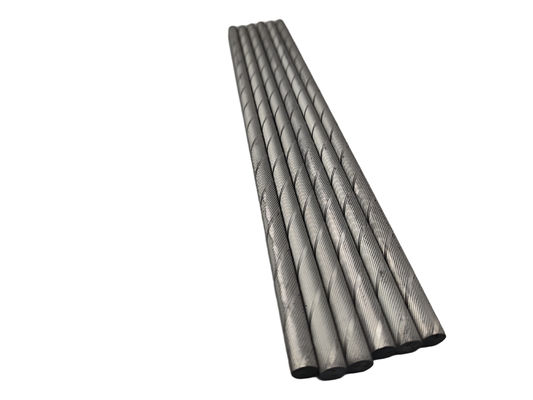
The fundamental limitation of traditional drills lies in their crystalline structure. Standard high-speed steel begins to soften when cutting temperatures exceed 500°C (932°F), leading to edge dulling, built-up edge formation, and eventual tool failure. The solution emerges from advanced materials science: C-2 grade submicron tungsten carbide.
This material maintains structural integrity under extreme thermal stress, allowing drills to retain surgical precision even when machining hardened steels. The thermal stability enables dramatic increases in cutting speeds—transforming multi-hour operations into minute-long processes without compromising tool life.
In precision applications, hardness alone cannot guarantee success. Three critical factors determine real-world performance:
Proper implementation requires understanding material-specific parameters:
Tungsten carbide drills have become indispensable across demanding sectors:
To maximize tool life:
As manufacturing tolerances tighten and exotic materials become commonplace, tungsten carbide drilling technology represents not just an incremental improvement, but a fundamental shift in machining capability. For operations struggling with difficult-to-machine materials, these tools offer a path to unprecedented productivity and precision.