Imagine modern industry without high-strength, wear-resistant materials. From precision electronic components to demanding medical instruments,
tungsten carbide
plays an indispensable role. This seemingly humble material, with its exceptional properties, quietly supports precision manufacturing across countless industries.
Tungsten Carbide: The Perfect Balance of Wear Resistance and Impact Strength
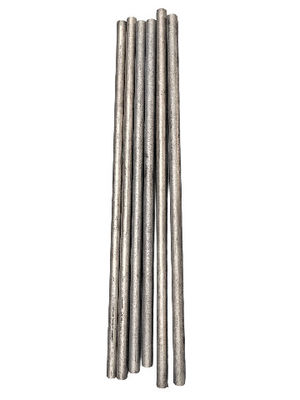
Commonly known as cemented carbide or tungsten steel, this material is created by sintering refractory metal carbides (like tungsten carbide or titanium carbide) with binder metals (typically cobalt) through powder metallurgy processes. This unique composite structure gives tungsten carbide exceptional hardness, strength, wear resistance, and corrosion resistance. Unlike conventional steel, it maintains superior performance even under high temperatures, making it ideal for cutting tools, wear-resistant parts, and molds.
Precision Cutting Blades: Essential for Electronics Manufacturing
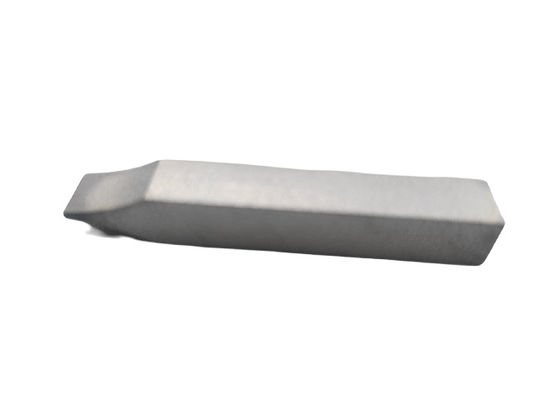
In electronics manufacturing, where cutting precision and efficiency are paramount, tungsten carbide cutting blades excel. With razor-sharp edges and outstanding wear resistance, these blades precisely cut electronic components' green substrates, films, foils, and fiber materials. They not only enhance cutting efficiency but ensure clean cuts without burrs or chipping, ultimately improving electronic product performance.
High-Strength Pins: Reliability for Demanding Applications
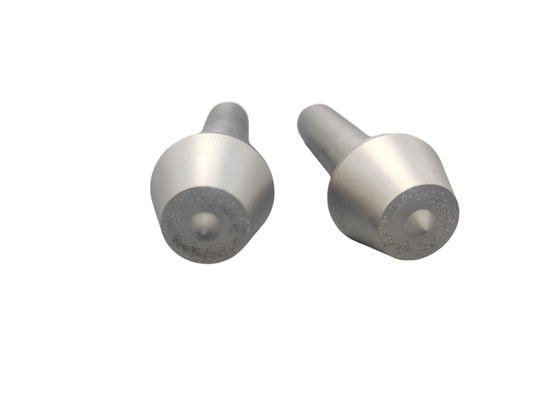
For applications requiring exceptional strength and durability, tungsten carbide pins are the preferred choice. These pins are widely used in dot matrix printer heads, stamping dies, and similar applications where they must withstand high-frequency, high-intensity impacts and wear. Compared to traditional materials, tungsten carbide pins offer greater reliability and lower maintenance costs while ensuring stable operation and extended service life.
Industrial-Grade Plates: Critical Components for Medical and Industrial Use
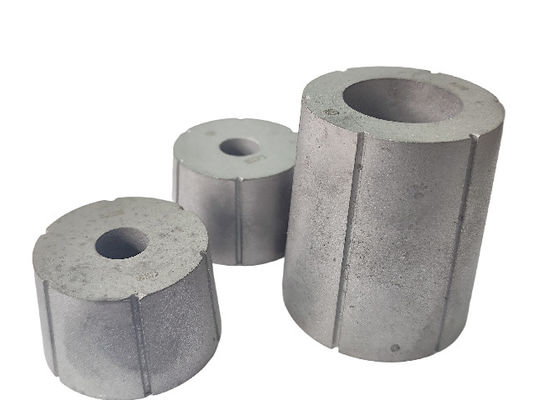
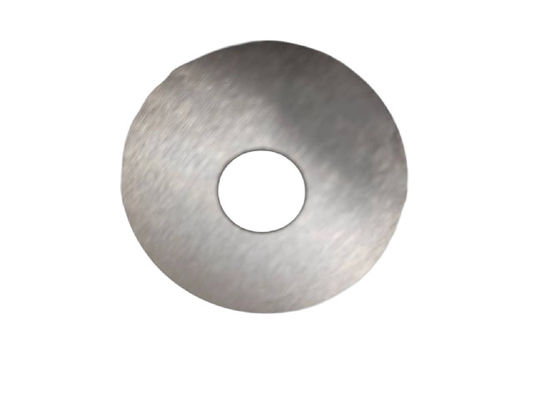
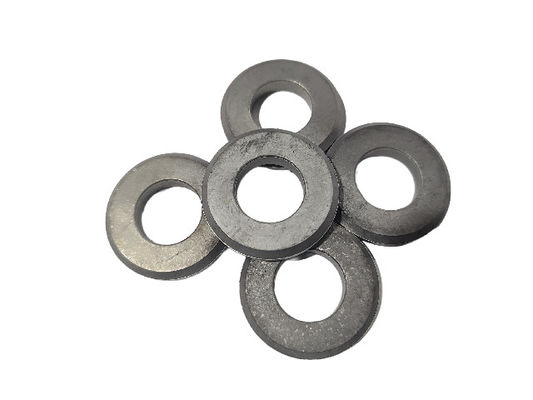
Tungsten carbide plates find extensive applications in medical and industrial fields due to their excellent wear and corrosion resistance. In healthcare, they're used to manufacture surgical instruments and implants where biocompatibility and corrosion resistance are crucial for patient safety. Industrially, these plates serve as wear-resistant liners and seals, significantly enhancing equipment durability and reliability.
Specialized Tubes: Performance Under Extreme Conditions
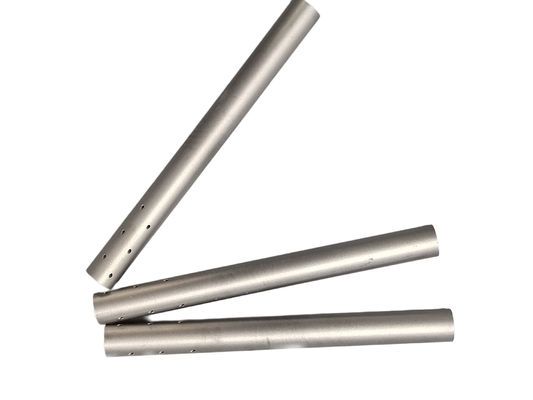
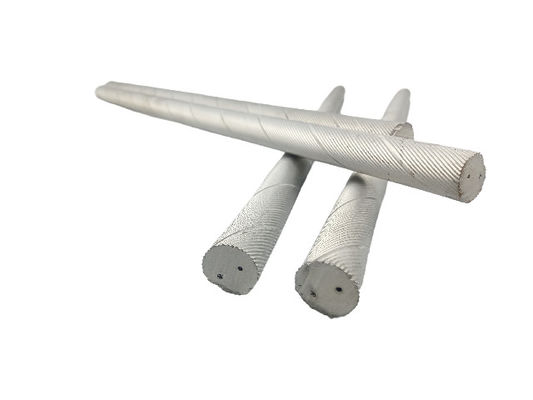
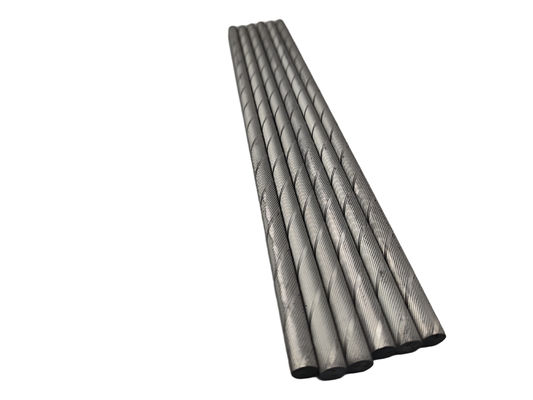
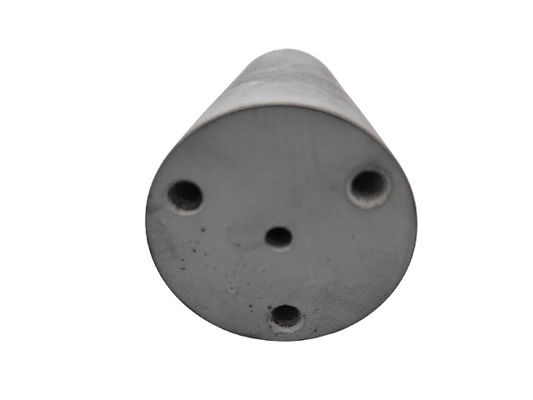
Certain industrial applications require tubing that can withstand corrosive and abrasive environments. Tungsten carbide tubes excel in industrial nozzles and electrode piping systems, enduring high temperatures, pressure, and corrosive media while maintaining operational stability. In coating applications, tungsten carbide nozzles deliver uniform, consistent spray patterns that improve product quality and production efficiency.
The applications of tungsten carbide continue to expand with technological advancement. From aerospace to automotive manufacturing, from oil exploration to geological drilling, this remarkable material provides critical support across industries through its exceptional performance. Continuous innovation in tungsten carbide products promises to deliver even higher quality solutions, enabling more efficient and precise development across all sectors.


 Your message must be between 20-3,000 characters!