While pure tungsten and tungsten carbide share the same metallic foundation, their performance characteristics and industrial value differ dramatically. This distinction stems not from simple pricing differences but from fundamental materials science principles and practical engineering considerations.
The Limitations of Pure Tungsten
Pure tungsten boasts exceptional properties including the highest melting point of all metals (3,422°C) and remarkable density (19.25 g/cm³). These qualities make it indispensable for applications like incandescent lamp filaments, radiation shielding, and high-temperature electrodes. However, pure tungsten suffers from inherent brittleness, challenging machinability, and limited wear resistance under extreme conditions—characteristics that constrain its performance in demanding industrial applications.
The Transformative Power of Carbide Bonding
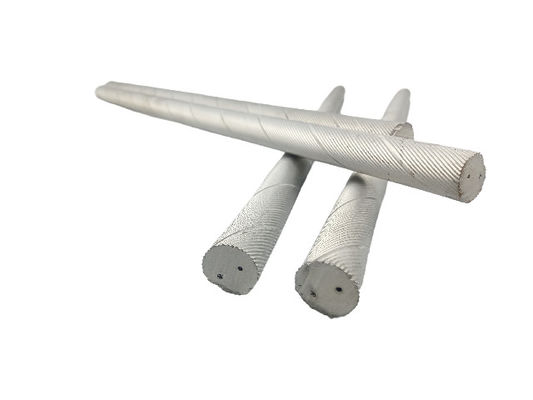
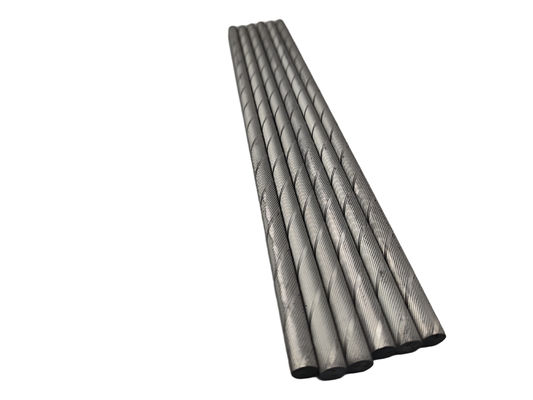
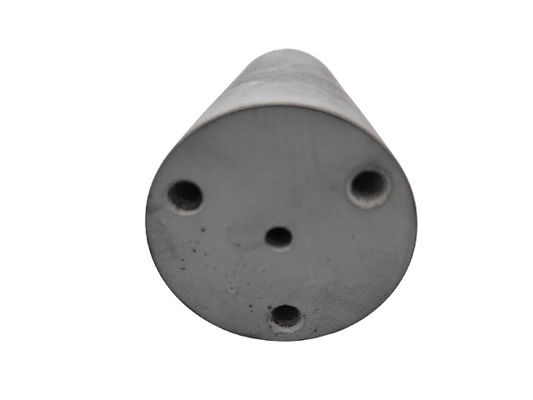
Tungsten carbide represents a revolutionary advancement through its chemical marriage of tungsten and carbon atoms. This ceramic-metallic composite achieves a hardness approaching that of diamond (approximately 9 on the Mohs scale compared to diamond's 10), while maintaining impressive toughness. The material's covalent bonds create a structure that resists deformation, wear, and chemical attack far more effectively than pure tungsten.
Industrial Applications and Performance Advantages
The exceptional properties of tungsten carbide translate into superior performance across multiple industries:
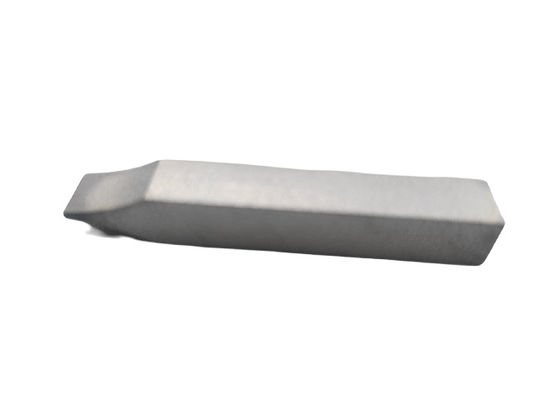
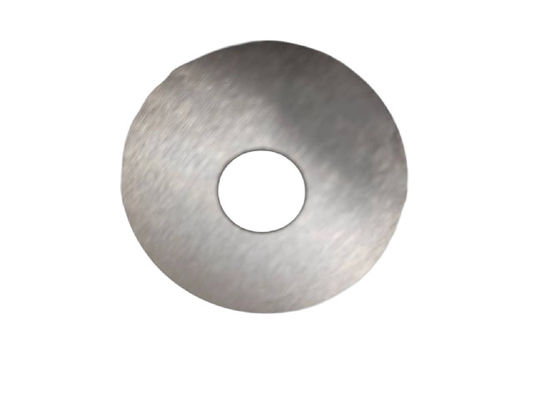
Cutting Tools: Carbide inserts maintain sharp cutting edges up to 100 times longer than high-speed steel tools, enabling faster machining speeds and tighter tolerances.
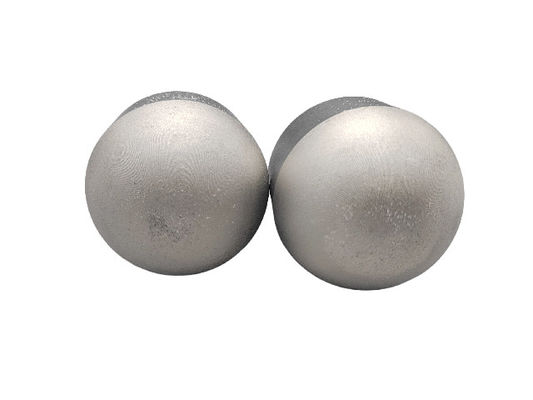
Mining and Construction: Tungsten carbide drill bits and wear parts demonstrate 5-10 times greater service life than conventional steel components in abrasive environments.
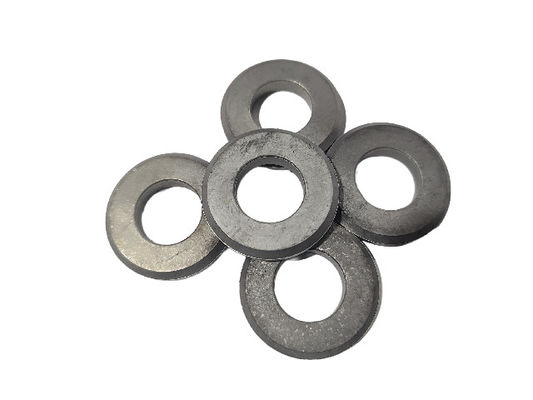
Precision Engineering: The material's dimensional stability makes it ideal for precision gauges, valve components, and surgical instruments requiring micron-level accuracy.
Economic Considerations
While tungsten carbide commands higher initial costs due to complex manufacturing processes involving powder metallurgy and sintering at temperatures exceeding 1,400°C, its long-term economic benefits prove compelling. The extended service life and reduced downtime often result in lower total cost of ownership compared to pure tungsten alternatives. In many applications, the material's durability offsets its higher purchase price within months of deployment.
This analysis reveals tungsten carbide not as a more expensive substitute for pure tungsten, but as a distinct material engineered to solve specific performance challenges. Its value proposition lies in delivering measurable productivity gains and operational savings that pure tungsten cannot match—a testament to materials science innovation meeting industrial necessity.


 Your message must be between 20-3,000 characters!