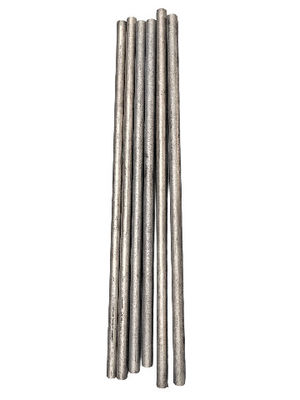
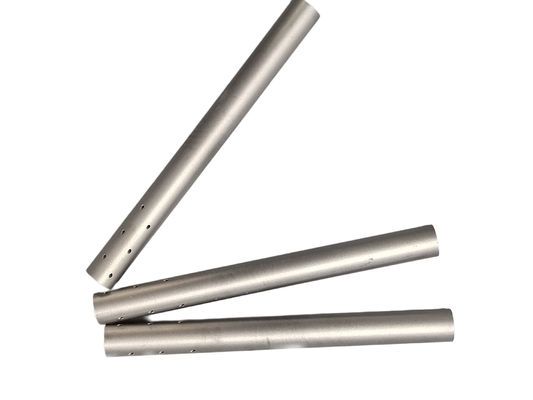
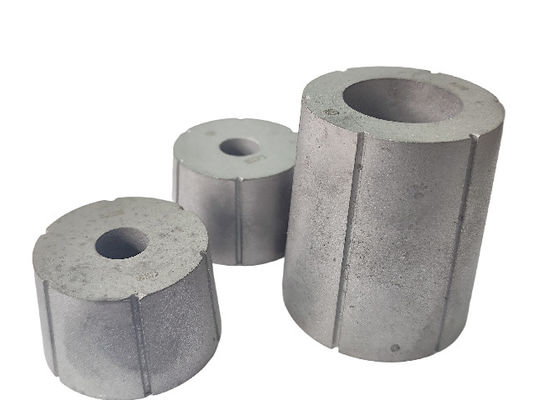
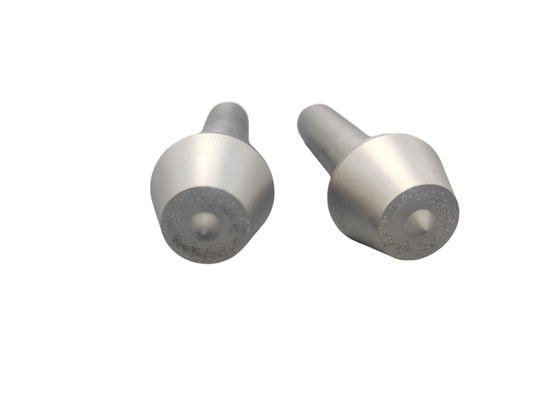
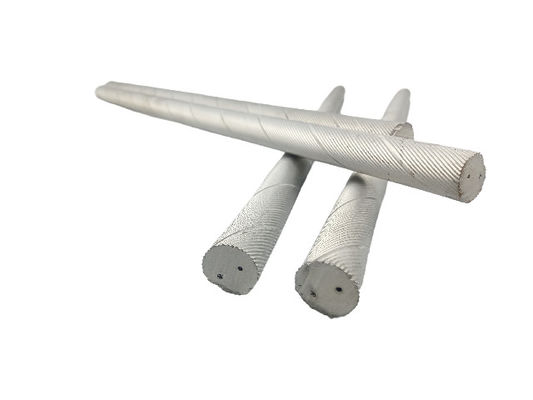
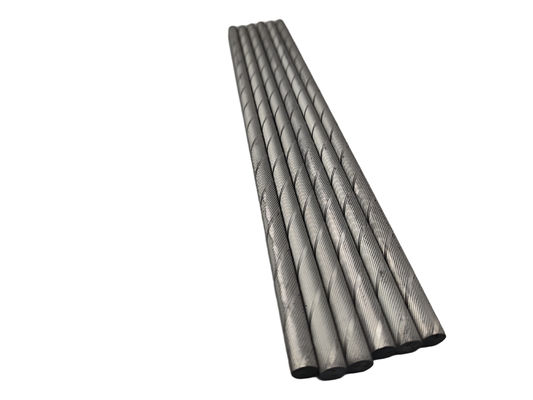
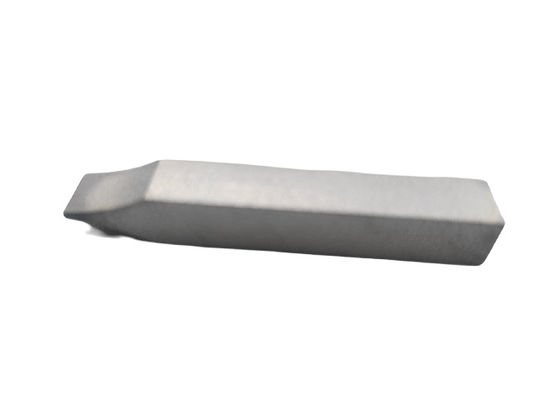
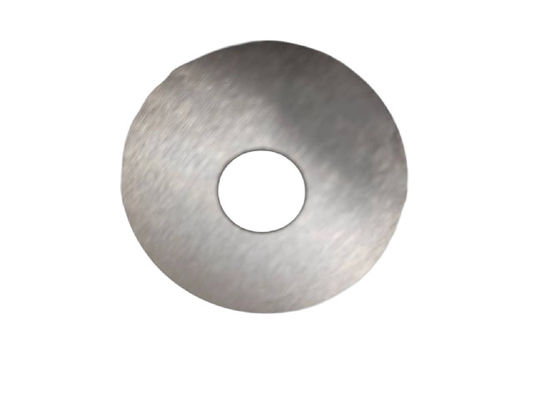
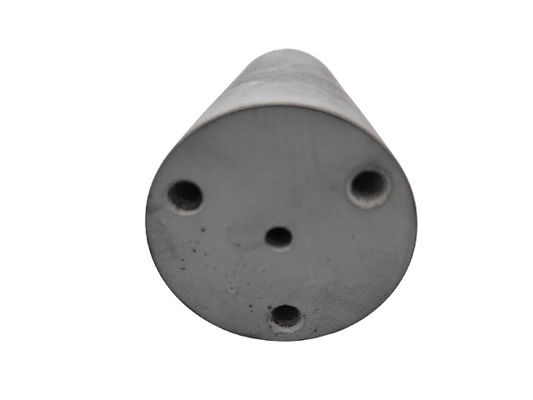
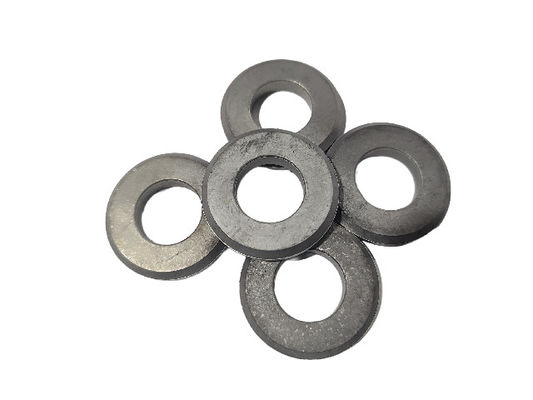
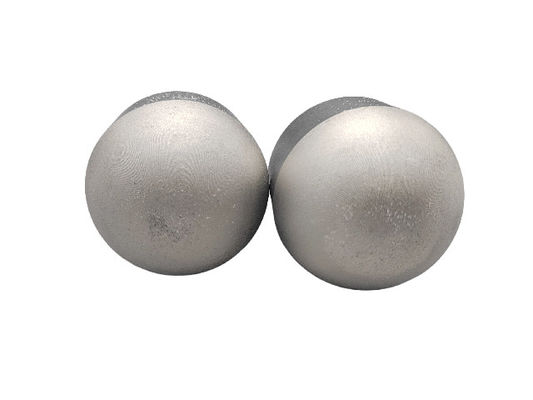
Are you ready to witness a material that redefines durability, resilience, and performance? Tungsten steel, also known as cemented carbide, is not just a material—it’s a promise of excellence, a commitment to unparalleled performance.
Tungsten Steel: More Than a Material—A Revolution
Imagine a material that combines the toughness of metal with the wear resistance of ceramics. Tungsten steel makes this a reality. It is a composite material primarily composed of tungsten carbide (WC) particles bonded with a metallic binder, typically cobalt. Through advanced powder metallurgy processes, tungsten steel emerges as an engineering masterpiece, striking the perfect balance between hardness and toughness.
The Science Behind Tungsten Steel: Hardness Meets Resilience
Pure tungsten boasts excellent heat and corrosion resistance but lacks hardness. However, when combined with carbon, it forms tungsten carbide—a compound with hardness rivaling diamond. Yet, pure tungsten carbide is brittle. To overcome this, ultra-fine tungsten carbide particles are mixed with a small percentage of metallic binders like cobalt or nickel. The result? A material that maintains exceptional hardness while gaining the toughness needed for real-world applications.
The ratio of tungsten carbide to binder (typically 3%–16%) determines the material’s properties. Higher tungsten carbide content increases hardness and wear resistance but reduces toughness, while more binder enhances impact resistance at the cost of hardness. Selecting the right formulation requires precision—like a master chef crafting the perfect recipe.
Unmatched Properties: Tungsten Steel’s Superpowers
Tungsten steel’s exceptional characteristics make it indispensable across industries:
-
Extreme Hardness:
With a hardness rating of HRA 86–93, it is second only to diamond, resisting wear and maintaining sharp edges.
-
Superior Wear Resistance:
Ideal for high-speed cutting and grinding, it retains its shape and prolongs tool life.
-
Corrosion Resistance:
Withstands harsh chemical environments, including acids and alkalis.
-
High-Temperature Stability:
Maintains strength and hardness even under extreme heat.
-
High Elastic Modulus:
Resists deformation under load, ensuring precision in machining.
Applications: Tungsten Steel in Everyday Life and Industry
Everyday Uses:
-
Ballpoint Pen Tips:
Tungsten steel ensures smooth, long-lasting writing.
-
Masonry Drills:
Easily penetrates brick, stone, and concrete.
-
Winter Tire Studs:
Enhances traction on icy roads.
-
Sports Equipment:
Used in ski poles and ice skate blades for durability.
-
Jewelry:
Scratch-resistant rings and bracelets retain their shine.
Industrial Applications:
-
Cutting Tools:
Drills, milling cutters, and lathe tools benefit from its hardness.
-
Mining and Oil Drilling:
Withstands abrasive geological conditions.
-
Powder Metallurgy Molds:
Ensures precision in compacting metal powders.
-
Stamping Dies:
Handles high-pressure metal forming.
-
Wear-Resistant Parts:
Extends the lifespan of bearings and seals.
The Future: Innovation and Expansion
Advances like nano-tungsten steel and gradient tungsten steel are pushing boundaries. Emerging applications in aerospace, automotive, and medical devices highlight its potential to drive technological progress.
Tungsten steel is more than a material—it’s a cornerstone of modern engineering, a testament to human ingenuity in harnessing the perfect balance of strength and resilience.


 Your message must be between 20-3,000 characters!