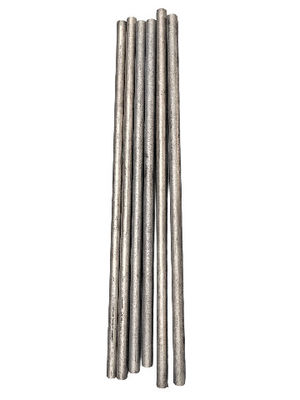
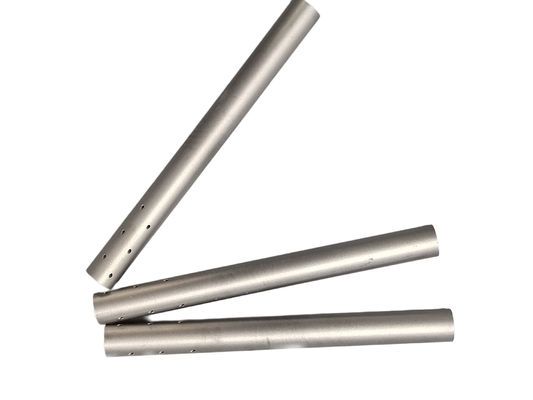
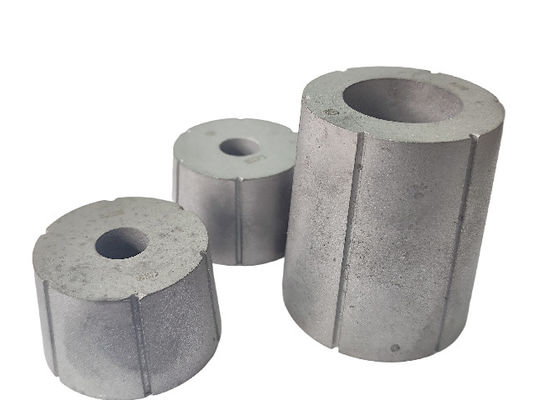
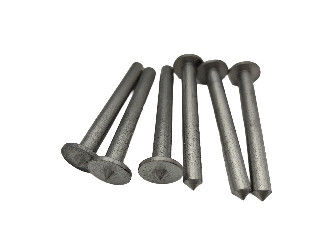
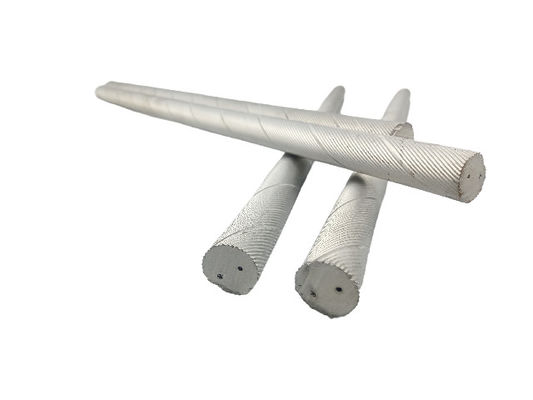
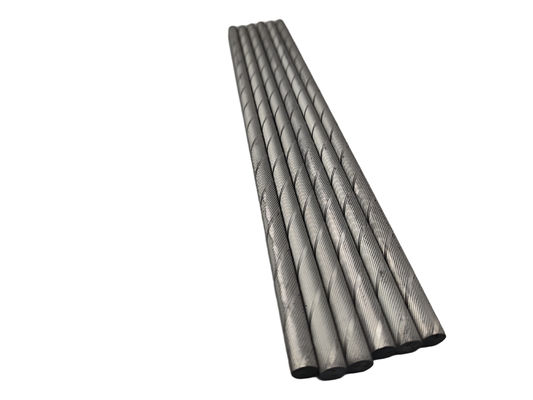
In modern precision manufacturing, the selection of high-performance materials directly impacts product accuracy, durability, and overall performance. Among these materials, tungsten carbide (WC) stands out as an exceptionally hard and wear-resistant alloy that plays an indispensable role in numerous high-precision industrial applications due to its unique physical and chemical properties. This article focuses on solid tungsten carbide rods with a diameter of 0.5 millimeters, examining their material characteristics, manufacturing processes, and critical functions across various industrial sectors.
The Science Behind Tungsten Carbide
Tungsten carbide, with the chemical formula WC, is a compound formed through covalent bonds between carbon and tungsten atoms. It ranks among the hardest known materials, second only to diamond, while exhibiting exceptional wear resistance, compressive strength, and thermal stability. The 0.5mm diameter solid tungsten carbide rods, though minuscule in size, embody advanced powder metallurgy techniques and precision machining processes.
Their production typically involves mixing fine tungsten carbide powder with cobalt (Co) or other binding agents, followed by a series of complex steps including compaction, sintering, and finally precision grinding and polishing to achieve the required dimensional accuracy and surface finish.
Industrial Applications of Micro-Scale Tungsten Carbide
These microscopic tungsten carbide rods find extensive use in fields demanding extreme precision and durability. In the electronics industry, they serve as critical components for manufacturing micro-drills, probes, and precision molds, essential for PCB (printed circuit board) drilling, semiconductor packaging, and testing procedures.
The medical device sector employs them for creating tip components of minimally invasive surgical instruments, ensuring both precision and safety during procedures. Additionally, industries such as aerospace, automotive manufacturing, and precision instrumentation frequently utilize 0.5mm tungsten carbide rods as raw materials for precision bearings, micro-cutting tools, and other high-wear components.
Material Selection Considerations
Selecting appropriate tungsten carbide rod materials requires careful evaluation beyond just dimensional accuracy and surface quality. Engineers must consider hardness, toughness, and the type/percentage of binding agents to match specific operational environments and performance requirements. While challenges exist—including difficult machining processes and relatively high costs—the superior properties of tungsten carbide make it an essential material for advancing industrial manufacturing capabilities, particularly in achieving precision and miniaturization goals.


 Your message must be between 20-3,000 characters!