Industry Dynamics
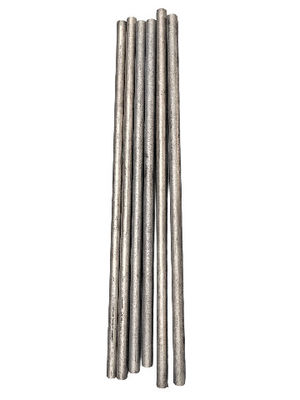
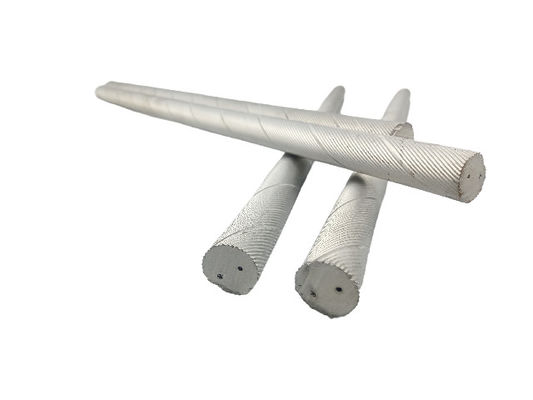
In the field of precision machining, tungsten carbide rods play a crucial role. As the core raw material for tool manufacturing, their performance directly impacts machining efficiency, product quality, and tool lifespan. With growing manufacturing demands for high precision, efficiency, and reliability, the selection and application of tungsten carbide rods have become increasingly critical.
Core Value Proposition
Imagine a critical moment when your cutting tool suddenly chips, causing machining precision to plummet and potentially scrapping the entire workpiece - undoubtedly a frustrating scenario. Selecting appropriate tungsten carbide rods is key to avoiding such nightmares, impacting not just tool longevity but also machining efficiency and final product quality.
Definition and Composition
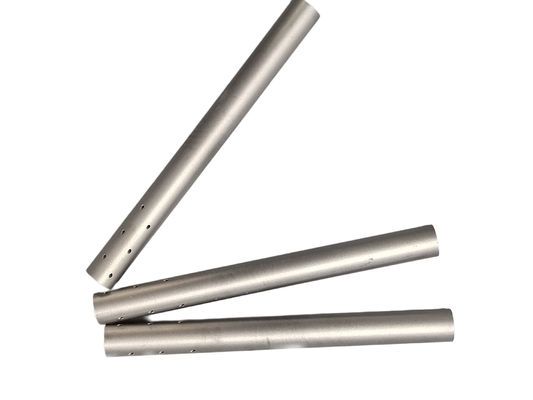
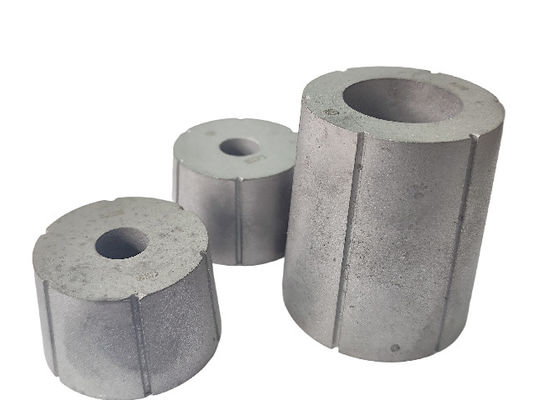
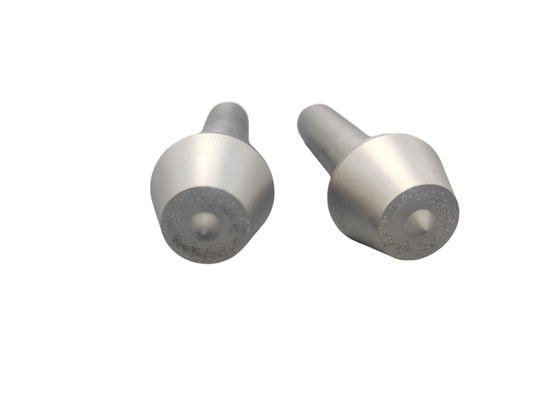
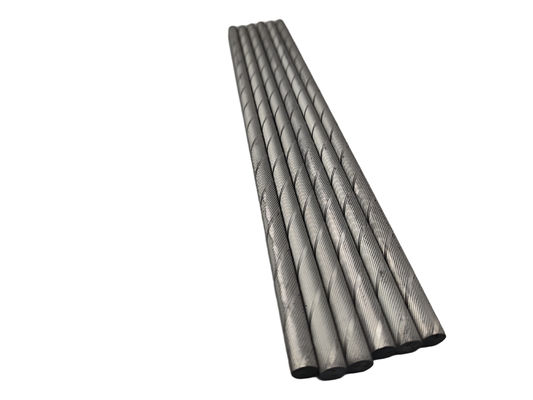
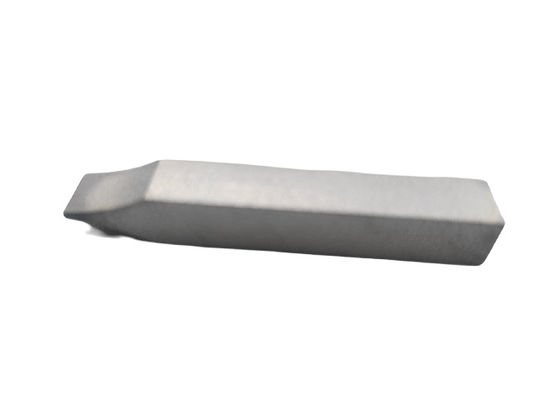
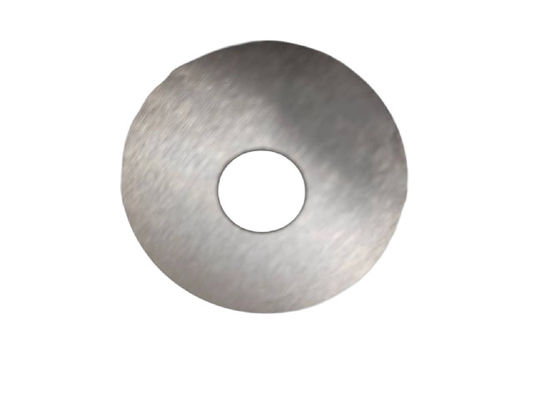
Tungsten carbide rods, also known as cemented carbide rods or tool blanks, are rod-shaped materials with tungsten carbide as their base. This composite material primarily consists of tungsten carbide (WC) with binders like cobalt (Co) or nickel (Ni). With exceptional hardness, wear resistance, and high-temperature strength, these rods are widely used in manufacturing various cutting tools, drills, reamers, milling cutters, and wear-resistant components.
Material Characteristics
Tungsten carbide, produced through powder metallurgy, contains:
- Hard phase: Typically tungsten carbide (WC), titanium carbide (TiC), tantalum carbide (TaC), or niobium carbide (NbC), providing hardness and wear resistance.
- Binder phase: Typically cobalt (Co) or nickel (Ni), bonding hard phase particles to enhance strength and toughness.
Key properties include:
- Exceptional hardness (HRA 86-93)
- Superior wear resistance (multiple times better than high-speed steel)
- Excellent red hardness (maintains hardness at high temperatures)
- High strength and elastic modulus
- Good oxidation and corrosion resistance
- Low thermal expansion coefficient
Classification and Applications
According to chemical composition, tungsten carbide falls into three main categories:
- YG class: Tungsten-cobalt alloys for cast iron and non-ferrous metals
- YT class: Tungsten-cobalt-titanium alloys for steel machining
- TiCN-based: For high-speed cutting of hard materials
ISO standards classify tool materials into:
- K class: For cast iron and non-ferrous materials
- P class: For long-chip steels
- M class: For stainless steel and difficult-to-machine materials
Selection Criteria
Choosing appropriate tungsten carbide rods requires consideration of:
- Raw material quality and purity
- Grade suitability for specific applications
- Grain size (finer grains offer higher hardness)
- Cobalt content (affecting toughness)
- Manufacturing processes and quality control
- Supplier expertise and equipment
- Grinding precision for high-accuracy tools
- Delivery timelines
Manufacturing Process
The production involves:
- Precise ingredient proportioning
- Thorough mixing
- Granulation
- Forming (isostatic pressing or extrusion)
- High-temperature sintering
- Precision finishing (grinding/polishing)
- Rigorous quality testing
Industry Outlook
Market trends indicate:
- Growing demand for high-performance materials
- Advancements in nano-grade tungsten carbide
- Increased composite material applications
- Adoption of smart manufacturing technologies
- Stronger emphasis on environmentally friendly production
As manufacturing evolves, tungsten carbide rods will continue playing a pivotal role in enabling higher precision, efficiency, and reliability across industries from automotive to aerospace and medical device production.


 Your message must be between 20-3,000 characters!