March 31, 2026
In the world of precision manufacturing, where efficiency meets exacting standards, the byproducts of industrial processes often go unnoticed. Among these overlooked materials lies tungsten carbide scrap—a high-hardness, wear-resistant material that holds significant untapped potential. Understanding its market dynamics, sourcing reliable suppliers, and maximizing its reuse can unlock substantial economic and environmental benefits.
Tungsten carbide, commonly known as hard metal, is a compound of tungsten and carbon (WC) that has become indispensable in modern industry due to its exceptional properties:
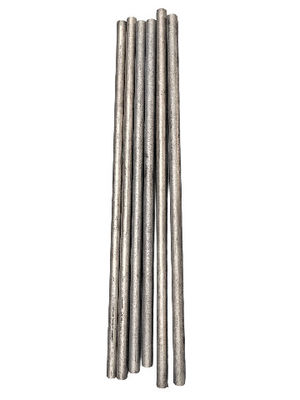
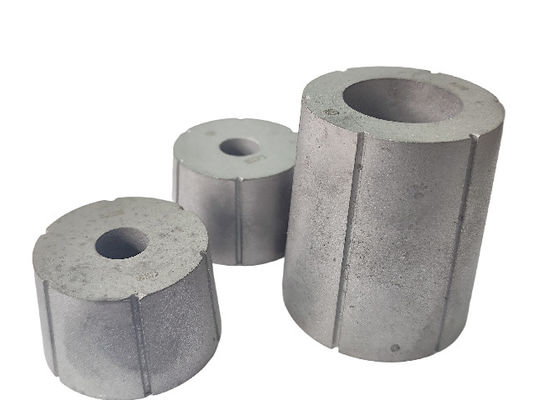
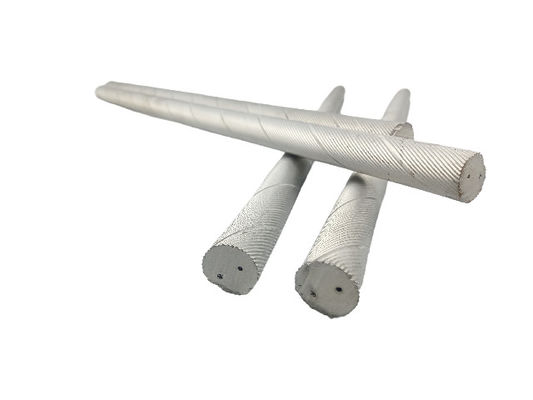
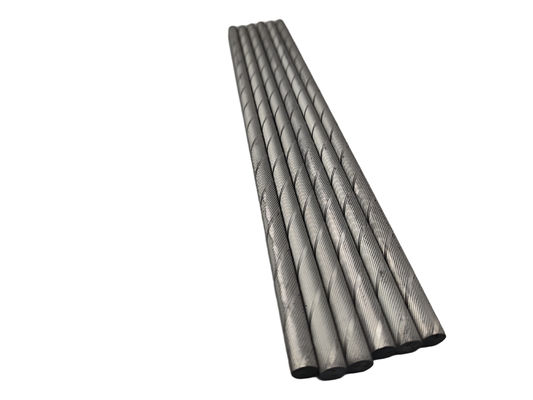
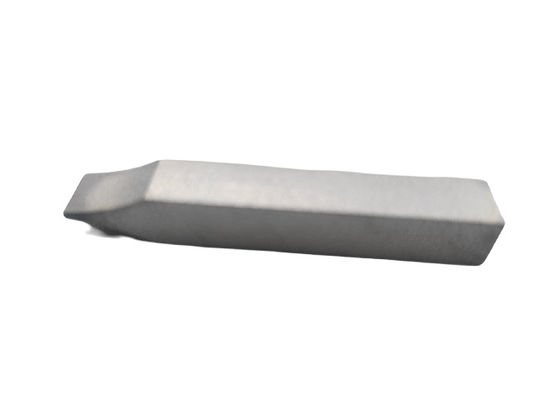
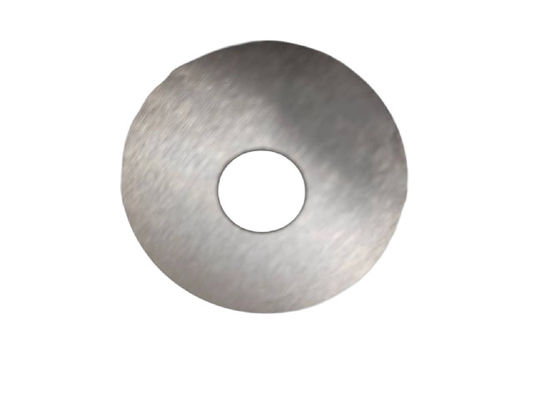
Industrial processes generate various forms of tungsten carbide scrap, including worn tools, discarded molds, and manufacturing remnants. Rather than waste, this material represents a valuable secondary resource with multiple benefits:
The valuation of tungsten carbide scrap depends on several key factors:
Thakur Ji Machine And Tools
Product: Tungsten carbide scrap
Location: Virar East, Maharashtra, India
Multimedia Engineering Co.
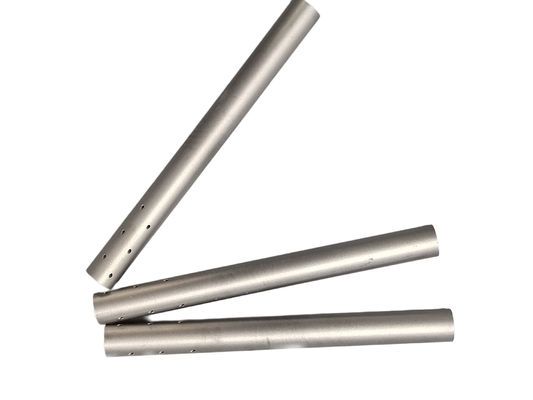
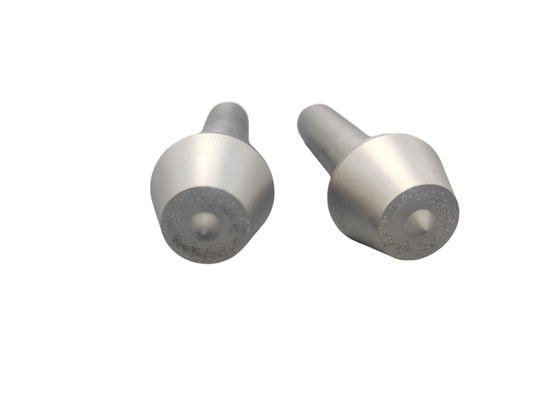
Product: Tungsten carbide nozzles (customizable)
Location: Vadodara, Gujarat, India
Rapicut Carbides Limited
Product: Finished tungsten carbide tools
Location: Ankleshwar, Gujarat, India
Hindustan Tungsten Carbide
Product: Precision-ground tungsten carbide components
Location: Nashik, Maharashtra, India
Growing environmental awareness and technological advancements are driving innovation in tungsten carbide recycling. Emerging recovery methods promise higher efficiency with lower environmental impact, while evolving regulatory frameworks and market structures create favorable conditions for increased scrap utilization.
The tungsten carbide scrap market presents significant opportunities for industrial users, recyclers, and environmental stakeholders alike. As recovery technologies mature and circular economy principles gain traction, this durable material will continue to demonstrate its value beyond initial applications.