logo

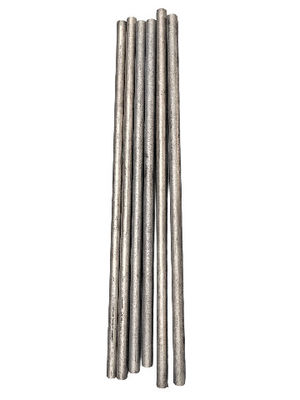
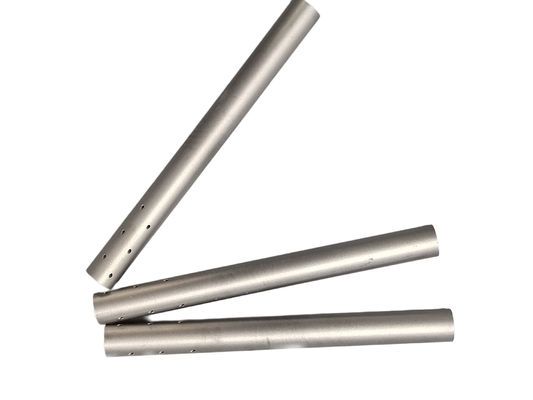
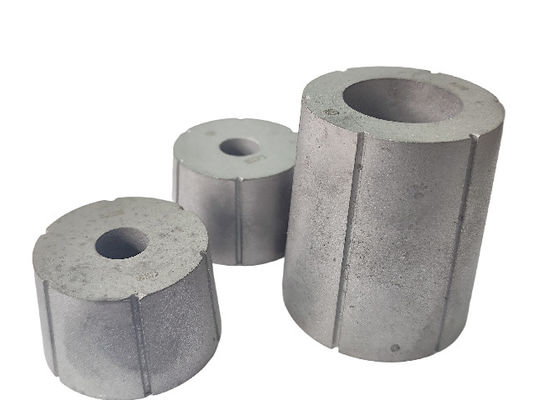
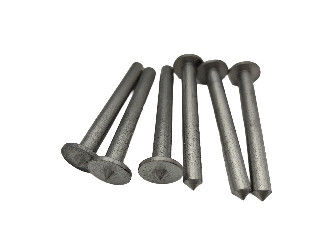
Tungsten Carbide Seal Rings Key to Industrial Reliability

October 24, 2026

Latest company blog about Tungsten Carbide Seal Rings Key to Industrial Reliability

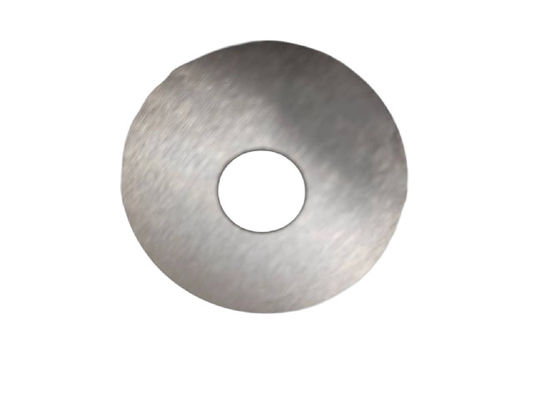
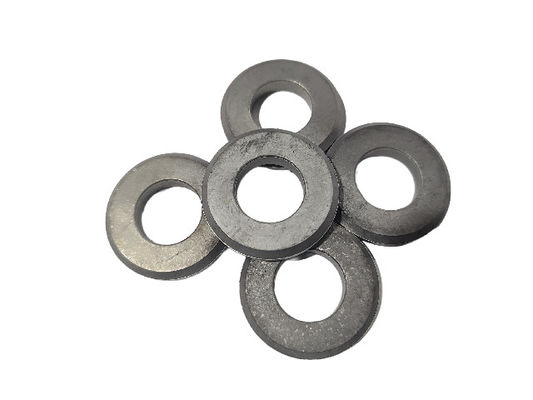
In the world of industrial rotating equipment, the seal ring functions as the last line of defense. When pumps, compressors and agitators run under extreme abrasion, high pressure or corrosive media, ordinary metal sealing components tend to fail quickly. Tungsten carbide seal rings have become the core solution to that problem.

Tungsten carbide: the hard-material standard for sealing

Tungsten carbide is widely used in sealing applications because of its exceptionally high hardness and wear resistance. In slurry handling, mineral processing and high-pressure fluid service, the sealing interface faces severe physical friction. Tungsten carbide resists that wear and significantly extends the service life of the sealing assembly.

The material also holds its geometry under load, a critical factor in applications where even a few microns of deformation can open a leak path. That combination of hardness and dimensional stability is why the material has become a default specification in demanding duty cycles.

Selection goes beyond hardness

Many industrial buyers fall into a common trap: assuming that higher hardness always means a better seal. In practice, seal ring reliability is a system-level question. Beyond hardness, the following factors determine whether a seal succeeds or fails:

  • Binder system — most commonly cobalt (WC-Co) or nickel (WC-Ni) grades.
  • Mating material — the pairing of the seal ring and the counterface directly affects friction coefficients and heat dissipation.
  • Process medium — fluid concentration, temperature and chemical character define the corrosion resistance the material must deliver.
  • Geometric precision — flatness and surface finish are prerequisites for micron-level sealing.

Comparing cobalt and nickel binder grades

The binder system is often the single most consequential specification decision. The two mainstream grades diverge sharply in mechanical strength versus chemical stability.

Binder type Primary advantages Typical applications
WC-Co (cobalt) High wear resistance, high mechanical strength General abrasive media, industrial pumps, mechanical seals
WC-Ni (nickel) Excellent corrosion resistance Highly corrosive fluids, specialized chemical processes

Why custom production is often necessary

Because industrial operating environments vary widely, standard parts frequently cannot meet every requirement. Custom manufacturing covers the full range of specification, from geometry such as steps and grooves to material composition.

Evaluating customer drawings alongside actual operating conditions allows engineers to select the optimal tungsten carbide grade for a given application rather than applying a generic specification. In many cases the difference between a seal that lasts months and one that lasts years comes down to that grade selection.

Quality control: precision is the soul of sealing

In precision sealing, material density and dimensional consistency matter as much as hardness. Multi-stage inspection programs — including hardness testing, density measurement, coercive force and magnetic saturation checks, and metallographic analysis — are used to confirm that every delivered seal ring meets its physical performance and geometric accuracy targets.

Density gaps and inconsistent binder distribution can create porosity that undermines a seal long before surface wear becomes visible. Verification at the material level is therefore treated as inseparable from final dimensional inspection.

Frequently Asked Questions

How do I decide between a cobalt and a nickel binder when selecting a tungsten carbide seal ring?

The decision largely depends on how corrosive the operating environment is. If mechanical wear dominates the application, WC-Co is typically the first choice because of its higher mechanical strength. If the medium is corrosive, WC-Ni offers better chemical stability and helps prevent the binder from being attacked, which can cause material spalling.

Is a harder tungsten carbide seal ring always the better choice?

No. Excessive hardness can come with reduced toughness, and under pressure fluctuation or thermal shock it may lead to brittle cracking of the seal ring. Selection should weigh hardness, toughness, thermal expansion coefficient and medium characteristics together.

What information should be supplied to a manufacturer when ordering custom seal rings?

Detailed engineering drawings, medium composition, operating pressure, running temperature, lubrication conditions and the primary cause of failure in the current seal are all recommended. That data allows the manufacturer to assess the appropriate material grade and geometric design.

Get in touch with us
Contact Person : Mr. Chen
Tel : 0592-2038819
Characters Remaining(20/3000)