In the realm of precision manufacturing, the demand for materials that can withstand extreme conditions has never been greater. Whether machining high-hardness materials or seeking reliable solutions for harsh environments, one material stands out for its exceptional performance: cemented carbide.
Cemented Carbide: The "Black Diamond" of Industrial Applications
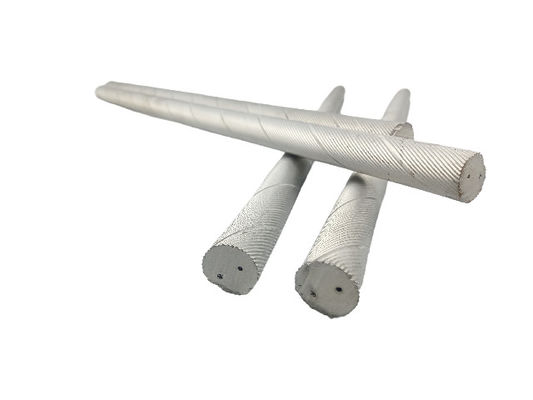
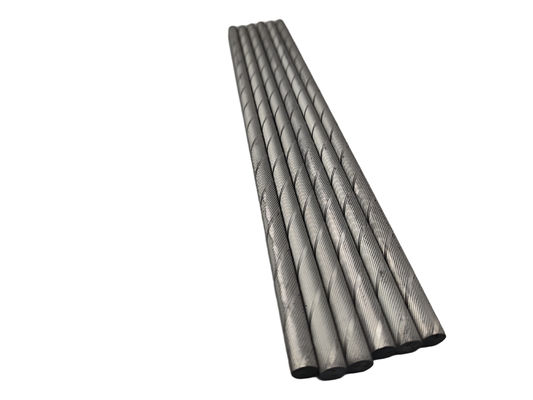
Cemented carbide, also known as tungsten carbide, is a high-performance material manufactured through powder metallurgy techniques. Its core composition consists of refractory metal carbides with high melting points, most commonly tungsten carbide (WC) micron powder, bonded with metals such as cobalt (Co), nickel (Ni), or molybdenum (Mo) through sintering processes. This unique composite structure endows cemented carbide with outstanding physical and mechanical properties, earning it the nickname "the teeth of industry."
Key Characteristics:
-
Exceptional Hardness: With hardness ratings between 85-95 HRA (Rockwell A scale), cemented carbide far surpasses steel and other traditional metals in hardness, enabling it to machine various high-hardness materials including cast iron, stainless steel, and alloy steels.
-
Superior Wear Resistance: The microstructure's hard particles provide excellent abrasion resistance, significantly extending tool and component lifespans in high-friction environments.
-
High Strength and Rigidity: Despite its extreme hardness, cemented carbide maintains impressive compressive and bending strength, resisting deformation under heavy loads.
-
Remarkable Thermal Stability: Maintaining nearly unchanged properties at 500°C and substantial hardness at 1000°C, cemented carbide excels in high-temperature applications.
-
Corrosion Resistance: Compared to many metals, cemented carbide demonstrates good resistance to various chemical media, making it suitable for corrosive environments.
Cemented Carbide Strips: The Precision Manufacturing Solution
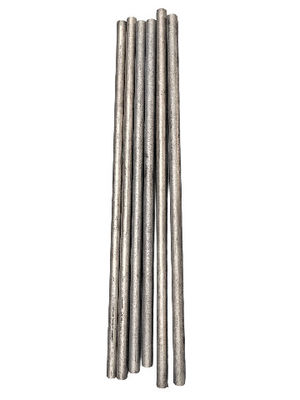
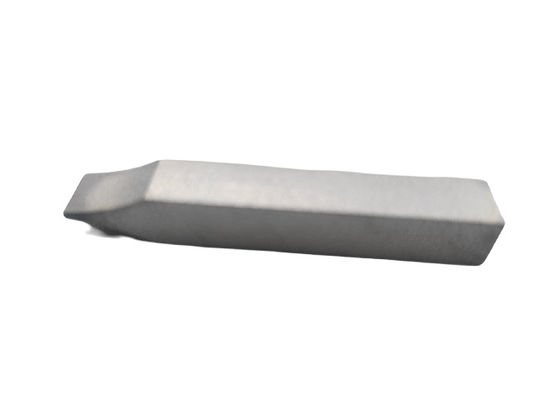
Among various cemented carbide products, strips have emerged as particularly valuable for precision manufacturing due to their unique form and processing adaptability. These strips primarily come in three variants:
-
Standard Cemented Carbide Strips: Featuring flat surfaces and precise dimensions for general machining needs.
-
Round-edge Cemented Carbide Strips: With specially treated rounded edges that reduce stress concentration and improve impact resistance.
-
Angled Cemented Carbide Strips: Customizable with specific edge or surface angles to optimize machining efficiency and surface quality.
The manufacturing process requires meticulous control of powder ratios, sintering temperatures, timing, and atmosphere. Advanced powder metallurgy techniques and precision equipment produce strips with high dimensional accuracy, excellent surface finish, and stable performance.
Applications: From Cutting Tools to Wear-resistant Components
-
Cutting Tool Manufacturing: Ideal for high-performance tools like lathe cutters, milling cutters, and drills, ensuring efficiency and surface quality in demanding machining operations.
-
Mold Production: Used for critical mold components that must withstand significant impact and friction while maintaining precision.
-
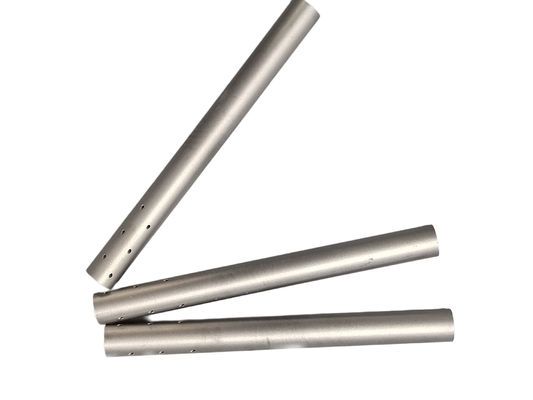
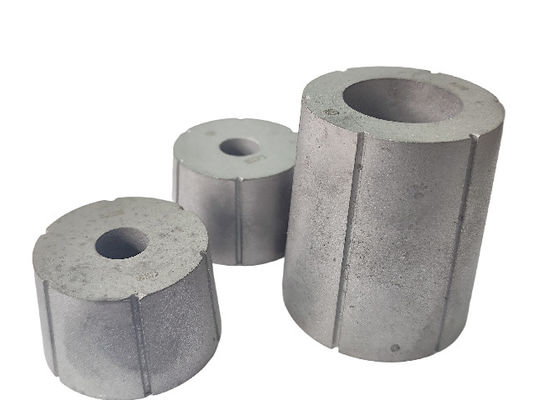
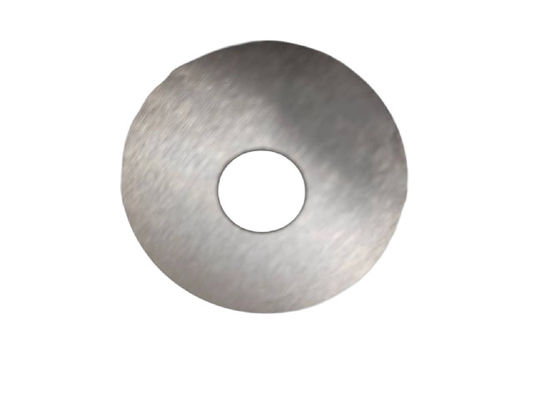
Wear-resistant Parts: Components like bearing sleeves, seal rings, and nozzles benefit from cemented carbide's durability in harsh industrial environments.
-
Measurement Instruments: The material's hardness and dimensional stability ensure measurement accuracy in precision instruments.
-
Specialized Components: Custom parts for aerospace, electronics, and medical applications.
Precision Specifications for Diverse Requirements
To meet various application needs, cemented carbide strips are available in precise dimensions with tight tolerances:
Standard Strip Specifications Example:
| Dimensions (Thickness × Width × Length, mm) |
Thickness Tolerance (mm) |
Width Tolerance (mm) |
Length Tolerance (mm) |
| 1 × (2 ~ 5) × L |
Thickness ≤ 7: +0.2/+0.5; Thickness > 7: +0.2/+0.7 |
Width ≤ 30: +0.2/+0.6; Width > 30: +0.2/+0.8 |
L < 100: 0/+1.0; 100 ≤ L < 200: 0/+2.0; L = 200: 0/+5.0 |
| 1.5 × (2 ~ 10) × L |
|
| 2.0 × (3.5 ~ 15) × L |
|
Angled Strip Specifications Example:
| Dimensions (Thickness × Width × Length, mm ~ Angle, °) |
Thickness Tolerance (mm) |
Width Tolerance (mm) |
Length Tolerance (mm) |
Angle Tolerance (°) |
| (1 ~ 2) × (2.5 ~ 6.0) × L ~ (0 ~ 35) |
0/+0.2, 0/+0.5 |
0/+0.2, 0/+0.6 |
L < 100: 0/+1.0; L = 100: 0/+2.0; L = 300: +0.5 |
+/-1 |
Future Outlook for High-performance Materials
As industrial demands grow more stringent, cemented carbide strips will continue to play an increasingly vital role in technological advancement and industrial development. Their unparalleled combination of hardness, wear resistance, strength, and thermal stability makes them indispensable for pushing the boundaries of precision manufacturing and extreme-condition applications.


 Your message must be between 20-3,000 characters!