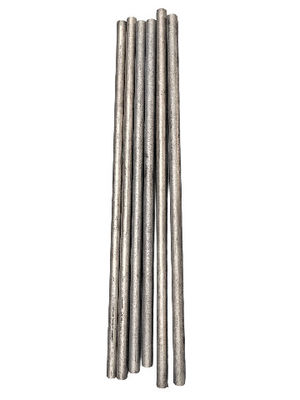
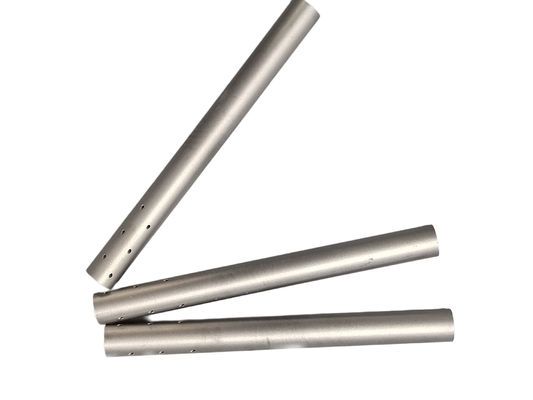
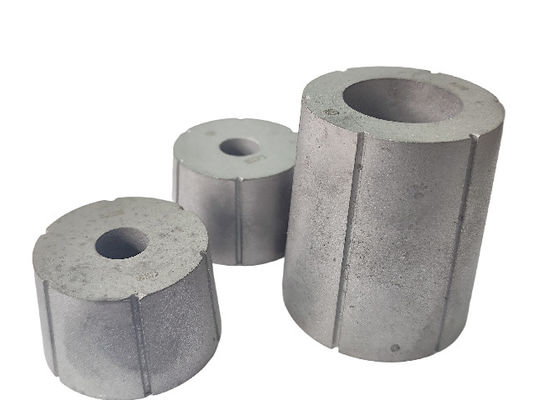
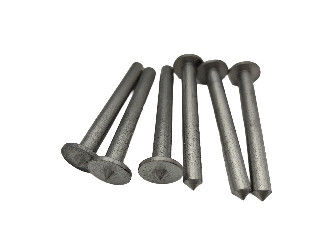
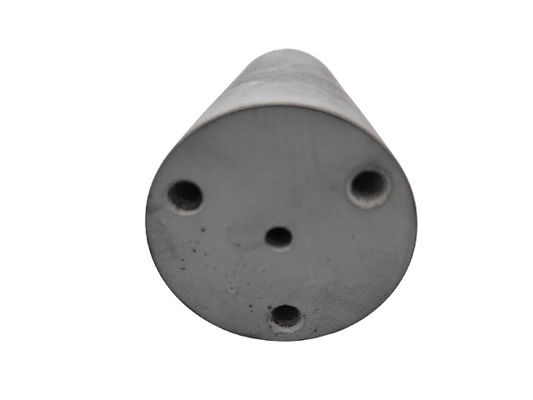
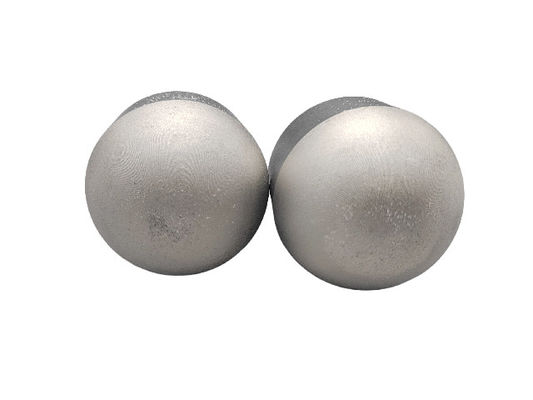
Imagine a high-tech world without tungsten - the unassuming metallic element that quietly powers countless aspects of modern life. From the incandescent light bulbs of our childhood to the oil drill bits buried deep underground, and even the high-speed dental drills that make visits to the dentist nearly painless, tungsten plays a crucial role across multiple industries.
I. Properties and Discovery: From "Heavy Stone" to Industrial Cornerstone
Tungsten, with the chemical symbol W and atomic number 74, is a silvery-white, hard metal with an exceptionally high melting point. Its English name originates from the Swedish "tung sten," meaning "heavy stone," accurately describing its high density of 19.3 g/cm³ - nearly equivalent to gold and among the highest of all natural elements. Most remarkably, tungsten boasts the highest melting point of all metals at 3,422°C (6,192°F), maintaining exceptional strength and chemical stability under extreme heat.
The discovery of tungsten reads like a scientific detective story. In the 18th century, European chemists became fascinated with a mineral called wolframite. Irish chemist Peter Woulfe first suggested in 1779 that this Swedish mineral contained a new metal, but failed to isolate it. Two years later, Swedish chemist Carl Wilhelm Scheele successfully separated a white acidic oxide from the mineral and correctly identified it as a new metal oxide. However, the honor of first isolating pure metallic tungsten went to Spanish brothers Juan José and Fausto Elhuyar in 1783, who reduced tungsten trioxide to produce the metal we know today.
II. Applications: From Traditional to Cutting-Edge Technologies
Tungsten's versatility makes it indispensable across numerous industries:
-
High-temperature applications:
Tungsten's extreme heat resistance made it perfect for incandescent light bulb filaments. While these bulbs are being phased out for energy efficiency, they remain a classic example of tungsten's capabilities. The metal also serves in furnace heating elements and welding electrodes.
-
Alloy applications:
When combined with other metals, tungsten dramatically improves strength, hardness, and wear resistance. High-speed steel containing tungsten maintains cutting performance under intense heat, while tungsten alloys form critical components in aerospace and defense systems.
-
Hard metals:
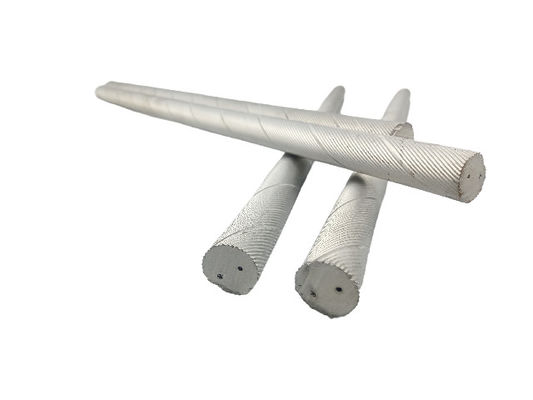
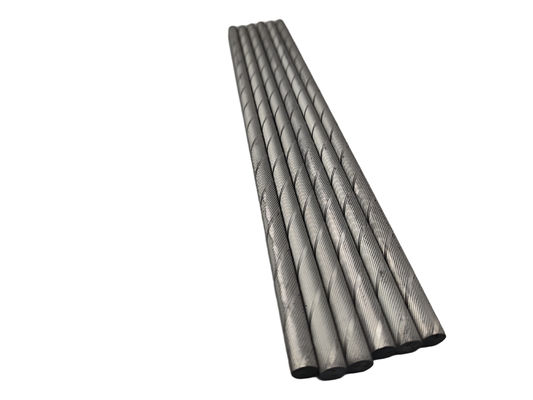
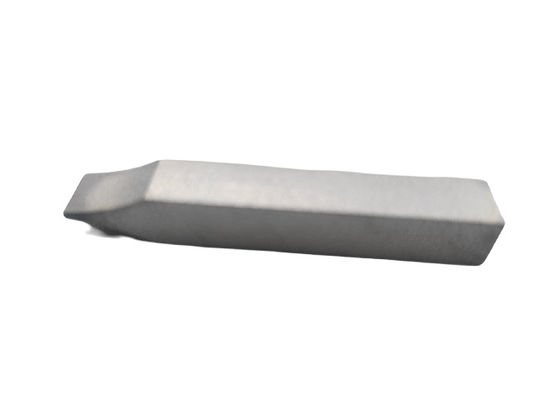
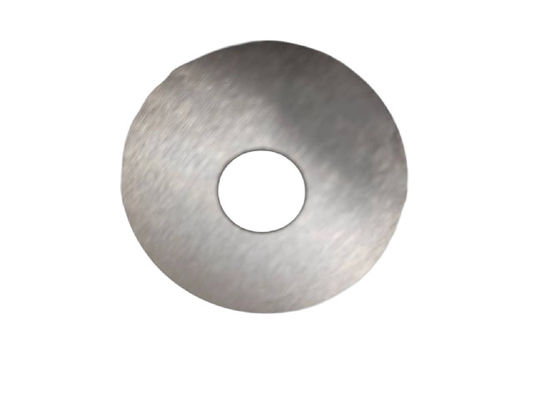
Tungsten carbide (WC), formed when tungsten combines with carbon, ranks as the second-hardest material after diamond. Mixed with cobalt binders, it creates ultra-hard materials for cutting tools, drill bits, and molds that withstand extreme conditions in metalworking, mining, and petroleum industries.
-
Chemical applications:
Tungsten compounds serve as catalysts to accelerate chemical reactions, pigments for ceramics and glass, and phosphors in fluorescent lighting that convert UV to visible light.
-
Medical and other uses:
Tungsten alloys shield against radiation in medical therapy, form X-ray tube targets for diagnostics, and appear in electronics and counterweights.
III. Industry and Market: Resources, Processing, and Global Trade
The tungsten supply chain involves three key stages:
-
Mining:
Extracted primarily from wolframite and scheelite ores, global tungsten reserves concentrate in China (60% of world reserves), Russia, and Vietnam. Mining methods include both open-pit and underground operations, followed by processing to remove impurities.
-
Processing:
Tungsten ore undergoes hydrogen reduction or carbon reduction to produce tungsten powder, which is then sintered into solid forms.
-
Manufacturing:
Tungsten products range from carbide cutting tools to aerospace components, employing techniques like powder metallurgy, forging, and precision machining.
Market dynamics reflect tungsten's strategic importance. Growing demand from emerging technologies competes with finite resources and environmental concerns, creating price volatility. Nations increasingly prioritize resource security through exploration, recycling initiatives, and alternative material development.
IV. The Future: Advanced Materials and Sustainable Solutions
Tungsten's future shines brightly across several frontiers:
-
Advanced materials:
Tungsten-based superalloys promise breakthroughs in jet engine components and nuclear reactor shielding due to their unmatched heat and radiation resistance.
-
Energy technologies:
Tungsten compounds show potential in solar cells, lithium-ion batteries, and high-temperature superconductors for power transmission.
-
Precision manufacturing:
Tungsten carbide tools will continue enabling advanced aerospace and automotive component production.
Sustainability efforts focus on responsible mining, improved recycling from industrial scrap and electronics, and developing alternative materials to reduce dependence on this critical resource. As technology advances, tungsten's unique properties ensure its continued indispensability across both traditional and emerging industries.


 Your message must be between 20-3,000 characters!