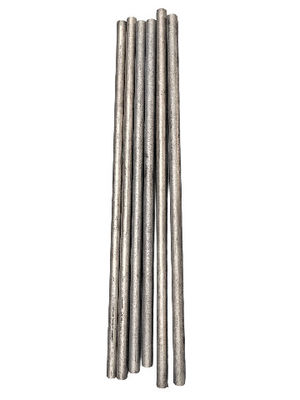
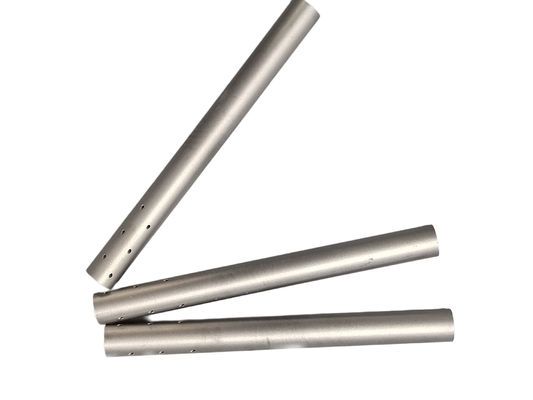
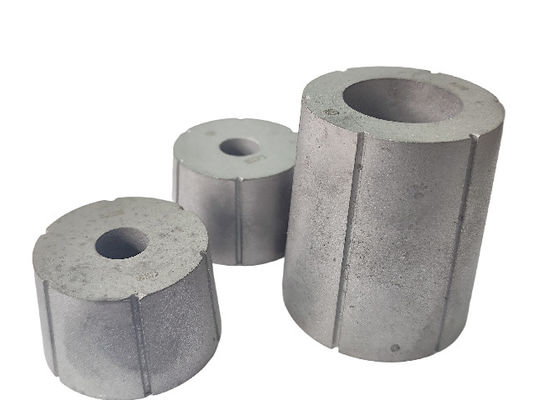
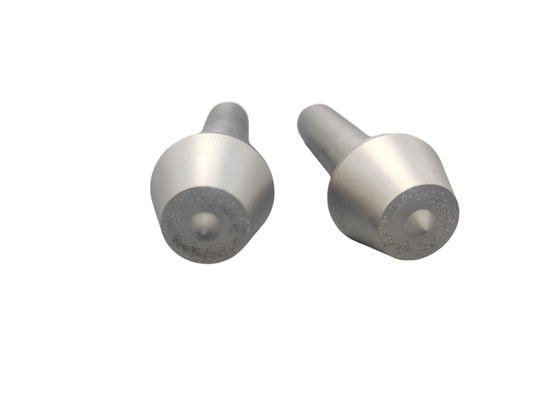
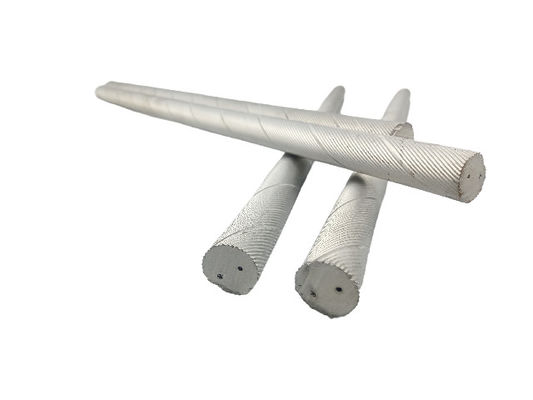
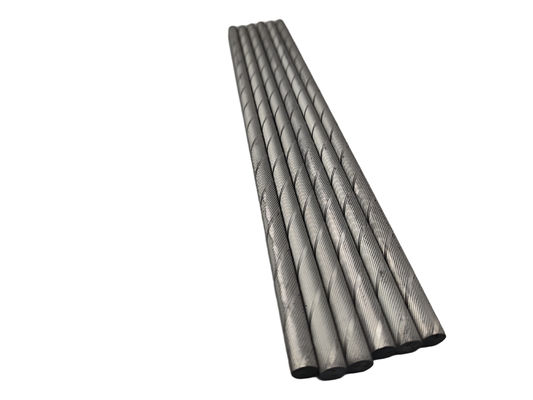
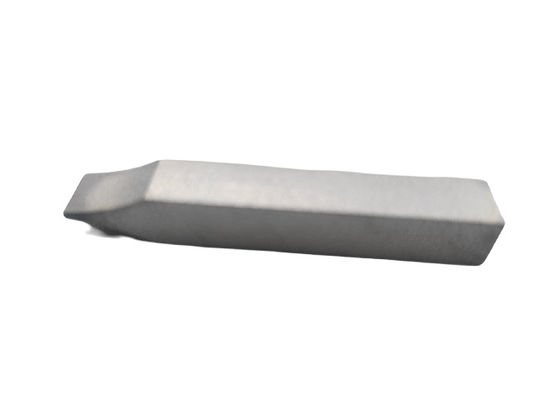
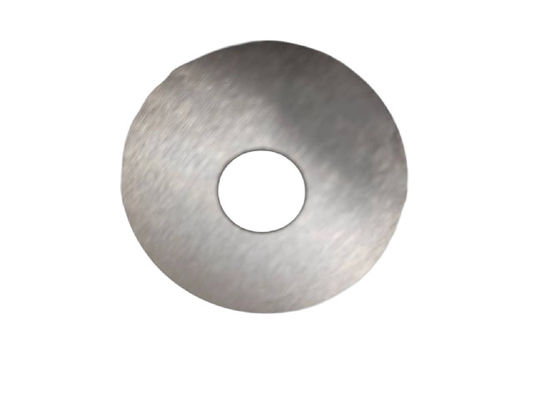
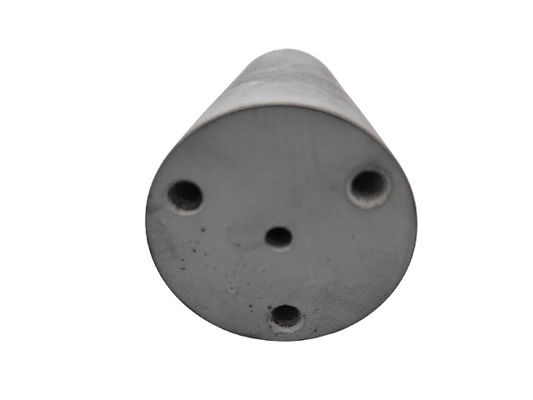
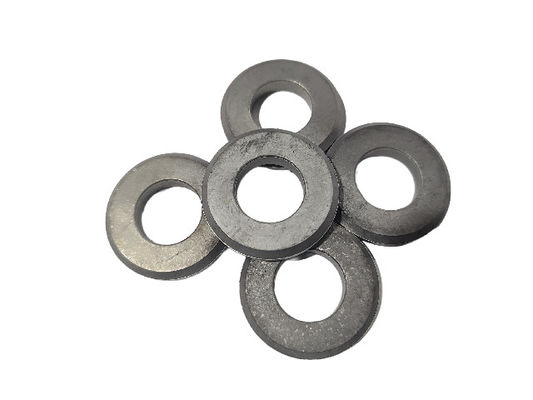
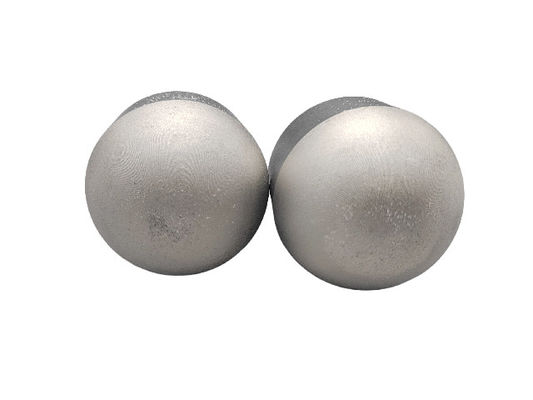
Tungsten carbide, often referred to as tungsten gold in jewelry contexts, is a compound composed of tungsten and carbon atoms that has gained prominence for its exceptional hardness, wear resistance, and lustrous appearance. In recent years, this material has emerged as a compelling alternative to traditional precious metals like gold, silver, and platinum, particularly in the wedding ring market.
Historical Development
The discovery of tungsten dates back to 1781 by Swedish chemist Carl Wilhelm Scheele. However, industrial applications only began in the early 20th century. While tungsten carbide synthesis first appeared in the late 19th century, it wasn't until the 1920s that German company Osram developed practical manufacturing methods for carbide tools.
Initially, tungsten carbide served primarily industrial purposes—cutting tools, molds, and wear-resistant components—where its extreme hardness proved invaluable for metalworking, mining, and oil drilling. Technological advancements eventually revealed its potential for jewelry applications, though early attempts were limited to simple rings and pendants due to manufacturing challenges.
The late 20th and early 21st centuries brought laser cutting, precision grinding, and vacuum coating technologies that enabled more sophisticated tungsten carbide jewelry designs, meeting growing consumer demand for personalized and fashionable pieces.
Physical and Chemical Properties
Tungsten carbide's appeal in jewelry stems from its unique characteristics:
-
Hardness: Ranking between 8.5-9 on the Mohs scale (second only to diamond at 10), it offers exceptional scratch resistance and durability.
-
Density: At approximately 15.63 g/cm³, its substantial weight provides a premium feel.
-
Melting point: With tungsten's melting point at 3,422°C (highest among metals), it maintains integrity under extreme conditions.
-
Chemical stability: Resistant to oxidation, corrosion, and tarnishing from air, water, or acids.
-
Hypoallergenic: An ideal choice for those with metal sensitivities.
Advantages Over Traditional Metals
Tungsten jewelry offers distinct benefits:
-
Durability: Superior scratch resistance compared to precious metals ensures lasting polish.
-
Affordability: Typically more cost-effective than gold or platinum.
-
Design versatility: Compatible with various finishes and materials (carbon fiber, ceramic, wood).
-
Personalization: Laser engraving enables custom designs.
-
Low maintenance: Simple cleaning with soap and water suffices.
Tungsten Wedding Bands
As the most popular tungsten jewelry category, wedding bands symbolize enduring love through the material's resilience. Their appeal includes:
-
Symbolic representation of unbreakable commitment
-
Contemporary aesthetics with multiple color options
-
Ergonomic comfort in wear
-
Budget-friendly pricing
Color Variations and Finishes
Through advanced coating techniques, tungsten jewelry achieves diverse appearances:
-
Natural: Dark gray metallic sheen
-
Black: Mysterious matte via vacuum coating
-
Gold/Rose Gold: Luxurious warm tones
-
Blue: Contemporary vibrant option
Surface treatments include polished (mirror finish), brushed (linear texture), and sandblasted (matte) effects.
Manufacturing Process
Production involves specialized techniques:
-
Powder metallurgy: Blending tungsten and carbon powders
-
Compression molding: High-pressure forming
-
Sintering: High-temperature fusion into carbide
-
Precision machining: Cutting, grinding, polishing
-
Surface treatment: Coating or engraving
Sustainability and Recycling
With tungsten being relatively scarce (0.0001% of Earth's crust), responsible sourcing matters. Current 3.3 million-ton global reserves could last a century at present usage rates. Recycling offers environmental and economic benefits through:
-
Chemical extraction methods
-
Physical separation techniques
Future Outlook
Emerging trends include:
-
Composite material development
-
Advanced manufacturing (3D printing)
-
Integration with wearable technology
-
Enhanced recycling initiatives
Selection and Care
Buyers should:
-
Choose reputable vendors
-
Understand hardness limitations (vulnerable to diamonds)
-
Verify sizing (permanent once made)
-
Request certification
Simple maintenance involves avoiding abrasive contact and regular gentle cleaning.
Considerations
Potential drawbacks include:
-
Brittleness under impact
-
Irreversible sizing
-
Complex recycling requirements
Conclusion
Tungsten carbide has established itself as a formidable jewelry material, particularly for wedding bands, by combining industrial durability with aesthetic appeal. While its advantages in hardness, affordability, and symbolism are clear, consumers should weigh its limitations regarding adjustability and impact resistance. As technology advances, tungsten's role in jewelry will likely expand, provided sustainable practices in sourcing and recycling continue to evolve.


 Your message must be between 20-3,000 characters!