September 12, 2026
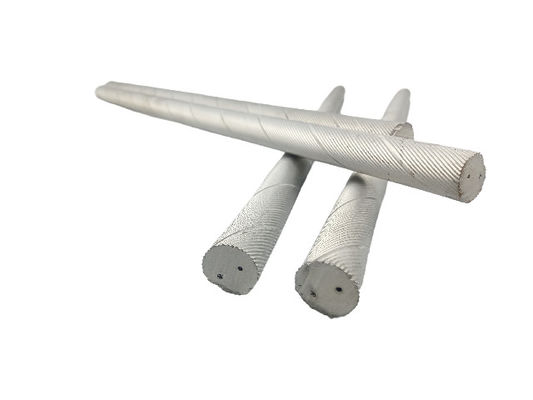
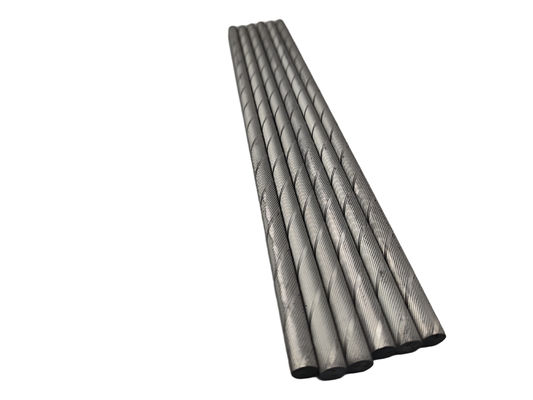
In today's rapidly evolving industrial landscape, equipment reliability and extended service life have become critical competitive advantages. Many operations struggle with persistent issues of mechanical wear and declining efficiency. The solution may lie in tungsten carbide wear strips—an innovative material technology transforming equipment performance across multiple industries.
These precision-engineered components utilize advanced composite manufacturing techniques. By sintering carbon with metallic elements—typically tungsten or titanium—the resulting material achieves unparalleled hardness and wear resistance. This represents a quantum leap beyond conventional steel, making carbide strips ideal for extreme friction and high-wear applications.
Implementing tungsten carbide wear strips represents more than component replacement—it's a comprehensive performance upgrade. Facilities can expect:
Industrial users should consider several factors when selecting carbide strips:
Material Grades: Different formulations (such as K20, K30, K40) offer varying balances of hardness, toughness, and grain structure. Higher cobalt content generally increases toughness while slightly reducing hardness.
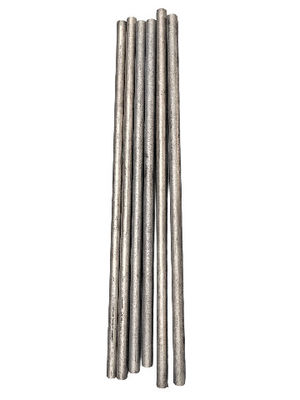
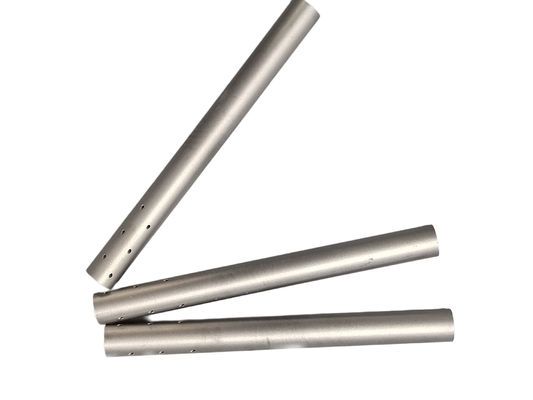
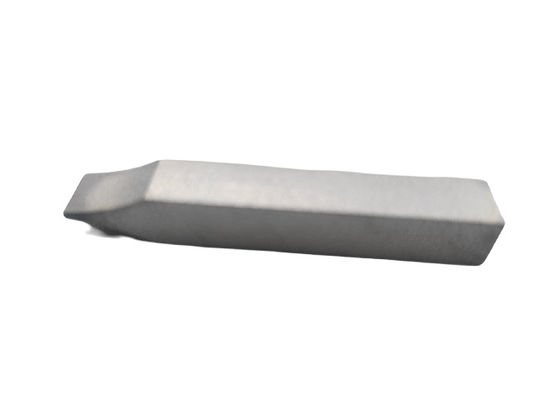
Dimensional Tolerances: Standard thickness ranges from 1.0mm to 16.0mm (±0.1-0.5mm), with widths up to 32.0mm. Lengths typically span 260mm to 700mm, with precision-ground options available for applications requiring exacting specifications.
Surface Finishes: Ground finishes provide superior flatness and surface quality for precision applications, while as-sintered surfaces offer cost-effective solutions for general wear protection.
The strategic implementation of tungsten carbide wear strips continues to demonstrate measurable improvements in industrial equipment performance across multiple sectors. As manufacturing demands intensify, these advanced materials are becoming indispensable for operations prioritizing reliability and cost efficiency.