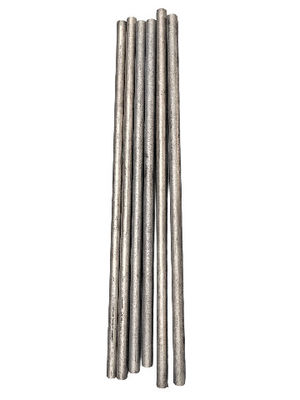
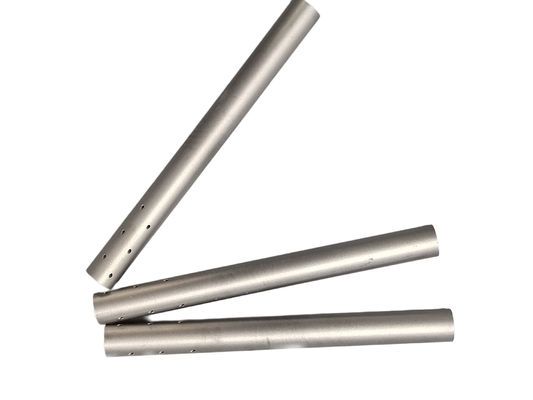
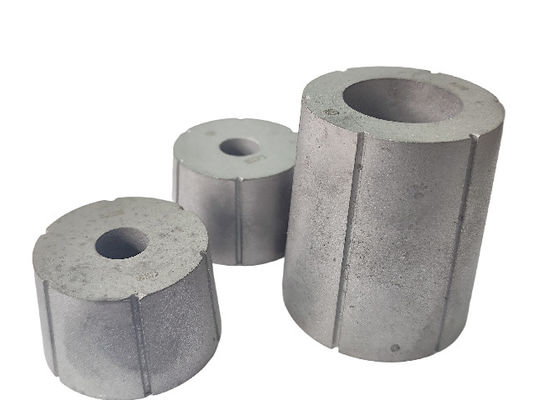
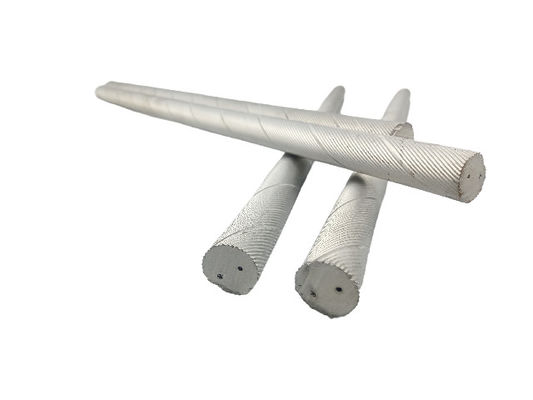
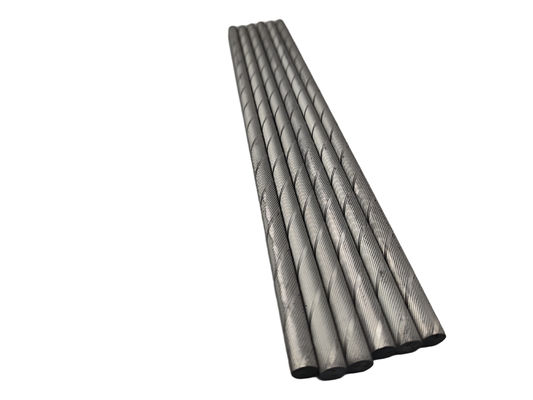
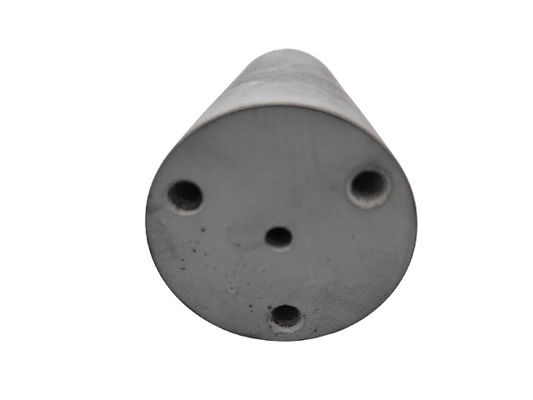
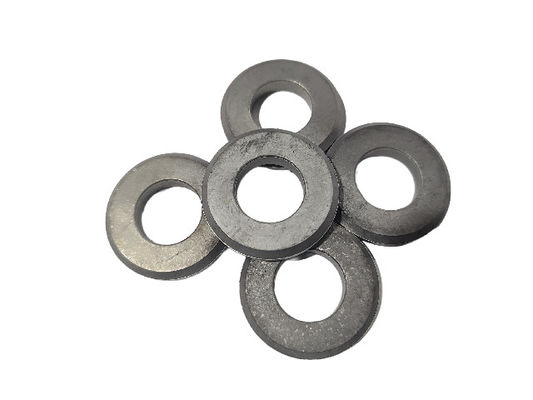
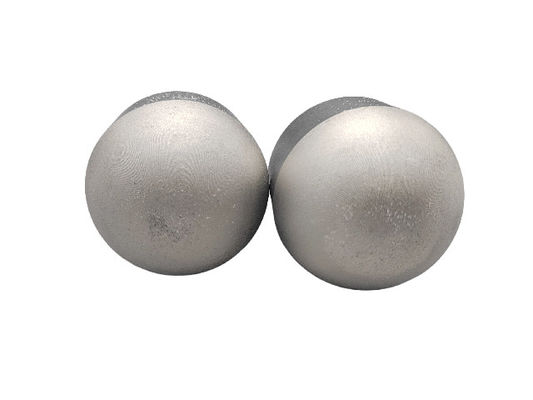
Imagine the critical components in precision instruments or the sharp cutting edges of high-speed tools - they all require both hardness and toughness. Tungsten carbide, a composite material sintered from tungsten carbide particles and metal binders, is the ideal choice for these demanding applications. However, tungsten carbide isn't completely non-magnetic, and its magnetic properties vary depending on several factors. How then should one select the appropriate tungsten carbide material for applications sensitive to magnetism?
Composition and Magnetic Origins of Tungsten Carbide
Commonly referred to as tungsten carbide, this material is actually composed of tungsten carbide (WC) particles bound together with metallic binders. These binders typically consist of cobalt (Co), though nickel (Ni), nickel-chromium alloys, and iron (Fe) are also frequently used. The magnetic properties of tungsten carbide originate precisely from these metallic elements.
Each constituent element exhibits different degrees of magnetism. Iron is significantly more magnetic than cobalt, which in turn is more magnetic than nickel. Tungsten itself is virtually non-magnetic. Therefore, the overall magnetic properties of tungsten carbide aren't determined by the tungsten carbide component, but primarily by the type and quantity of binder used.
The Binder: Key Factor Affecting Magnetic Properties
Different grades of tungsten carbide contain varying amounts of binder. Generally speaking, higher binder content results in better toughness but also increases magnetic properties. For applications requiring low magnetism, selecting tungsten carbide grades with lower binder content becomes crucial.
For instance, when iron is used as a binder, even in small quantities, it can significantly increase the material's magnetism. Using nickel as a binder can reduce overall magnetism, though nickel may compromise strength and corrosion resistance compared to cobalt. Material selection therefore requires careful balancing of magnetic properties, strength, corrosion resistance, and other factors.
Magnetic Grading and Application Selection
The magnetic properties of tungsten carbide are typically measured by permeability or susceptibility. Permeability refers to how easily magnetic flux passes through a material, while susceptibility indicates how readily a material becomes magnetized. Lower values for these parameters indicate weaker magnetic properties.
For applications particularly sensitive to magnetism - such as precision instruments, electronic devices, and medical equipment - tungsten carbide grades with extremely low permeability or susceptibility are typically required. Some specialized tungsten carbide grades, through optimized binder composition and content, can achieve nearly non-magnetic performance.
Magnetic Testing: Ensuring Performance Compliance
To guarantee that tungsten carbide materials meet application requirements for magnetic properties, rigorous testing is essential. Common testing methods include hysteresis loop measurement, permeability testing, and magnetic field strength measurement.
Hysteresis loop testing provides comprehensive evaluation of magnetic performance, including coercivity, remanence, and saturation magnetization. Permeability testing directly measures a material's permeability to determine its magnetic strength. Magnetic field strength measurement assesses the material's impact on surrounding environments by detecting nearby magnetic fields.
Alternative Materials for Non-Magnetic Applications
For applications with extremely stringent requirements where any magnetism is unacceptable, tungsten carbide might not be the optimal choice. In such cases, alternative non-magnetic materials like ceramics, plastics, or aluminum alloys may be considered.
Ceramics offer excellent wear and corrosion resistance but lack toughness. Plastics provide good machinability and insulation properties but have lower strength and temperature resistance. Aluminum alloys combine good strength and thermal conductivity but can't match tungsten carbide's wear resistance. Material selection must therefore carefully weigh all relevant factors to identify the best solution for specific application needs.
Conclusion: Informed Selection for Optimal Performance
The magnetic properties of tungsten carbide aren't fixed but vary according to binder type and content. By selecting appropriate grades, magnetic properties can be effectively controlled to meet diverse application requirements. For magnetism-sensitive applications, thorough magnetic testing is essential to ensure material compliance. Where magnetism must be completely eliminated, alternative non-magnetic materials may be preferable.
Understanding tungsten carbide's magnetic characteristics enables informed material selection that maximizes its advantages while optimizing application performance. As technology continues advancing, we can anticipate development of new tungsten carbide materials with superior low-magnetic or non-magnetic properties, supporting progress across various industries.


 Your message must be between 20-3,000 characters!