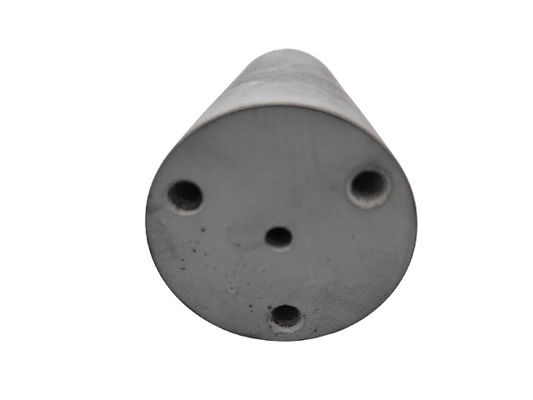
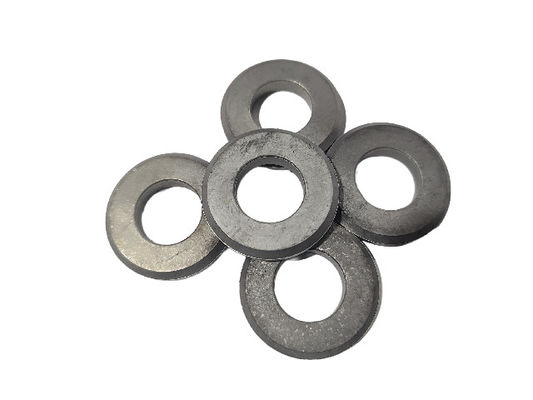
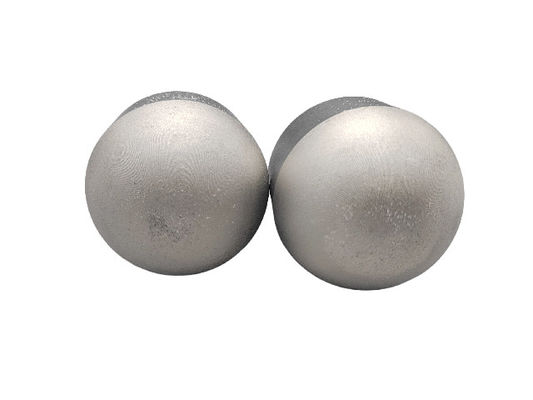
A wedding ring embodies commitments to the future. When selecting this symbol of eternity, beyond design considerations, the durability of its material becomes paramount. Tungsten, renowned for its exceptional hardness, has emerged as a contemporary choice—but can it truly withstand the test of time? This analysis examines tungsten's properties, advantages, limitations, and care requirements to inform your decision.
Tungsten: The Hardness Champion
Derived from the Swedish term for "heavy stone," tungsten's density and hardness surpass conventional metals. While pure tungsten demonstrates remarkable strength, tungsten carbide—a compound of tungsten and carbon—represents the pinnacle of this characteristic. Ranking 9-9.5 on the Mohs scale, tungsten carbide follows only diamond in hardness, significantly exceeding gold (2.5-3), platinum (4-4.5), and titanium (6-7).
This extraordinary hardness grants tungsten exceptional scratch resistance. Daily wear and accidental impacts leave minimal marks, making tungsten rings ideal for active individuals or those with demanding professions. The material maintains its polished appearance without requiring frequent refinishing.
Material Composition and Enhanced Properties
Premium tungsten rings utilize nickel as a binding agent, optimizing the tungsten-carbon matrix. This formulation enhances structural integrity while improving corrosion resistance. Unlike reactive precious metals, tungsten demonstrates chemical inertness, resisting tarnish and minimizing allergic responses. Prolonged wear thus preserves both appearance and comfort.
Core Advantages of Tungsten Rings:
-
Unmatched Hardness:
Mohs 9-9.5 rating, second only to diamond, with superior scratch resistance
-
Structural Resilience:
Resists bending and deformation, maintaining precise shape
-
Chemical Stability:
Impervious to oxidation, moisture, perspiration, or skin pH variations
Comparative Analysis: Tungsten Versus Traditional Materials
The following comparison illustrates tungsten's position among common ring materials:
|
Material
|
Mohs Hardness
|
Advantages
|
Disadvantages
|
|
Gold
|
2.5-3
|
Classic appearance, malleable for intricate designs, strong resale value
|
Soft surface prone to scratches and deformation, requires periodic polishing
|
|
Platinum
|
4-4.5
|
Rare, hypoallergenic, maintains lustrous white finish
|
Premium pricing, heavier weight, still susceptible to surface marks
|
|
Titanium
|
6-7
|
Lightweight, corrosion-resistant, high strength-to-weight ratio
|
Limited color options, challenging to resize, fewer design variations
|
|
Tungsten
|
9-9.5
|
Extreme scratch resistance, maintains polish, mid-range pricing, diverse styles
|
Brittle under extreme impact, impossible to resize, cannot be traditionally repaired
|
This analysis reveals tungsten's dominance in durability and scratch resistance. While gold and platinum maintain traditional prestige and investment value, their softness necessitates frequent maintenance. Titanium offers comparable strength but lacks tungsten's hardness. Tungsten's competitive pricing further enhances its appeal as a practical alternative.
Contemporary Designs and Customization
Advancements in manufacturing have expanded tungsten ring designs beyond simple bands. Modern options incorporate unconventional materials, creating distinctive aesthetic statements:
-
Meteorite Inlays:
Incorporating space-derived iron meteorites, symbolizing cosmic permanence
-
Fossil Accents:
Featuring dinosaur bone fragments, representing geological time
-
Organic Elements:
Utilizing stabilized deer antler or exotic woods for natural textures
-
Barrel-Aged Wood:
Integrating whiskey cask oak for rustic character
These innovative combinations elevate tungsten rings beyond utilitarian objects into personalized artifacts. However, composite materials may require specialized maintenance to preserve their unique characteristics.
Maintenance Guidelines
Despite tungsten's inherent durability, proper care extends its lifespan:
-
Chemical Exposure:
Remove during contact with harsh cleaners, chlorine, or abrasive substances
-
Cleaning Protocol:
Wash with warm soapy water using non-abrasive cloths; dry thoroughly
-
Storage:
Keep separately in fabric-lined compartments to prevent surface abrasion
-
Impact Protection:
Avoid wearing during heavy labor or high-impact activities
Addressing Fracture Risks
Tungsten's primary limitation stems from brittleness—extreme force may cause irreparable cracking. Unlike malleable metals, tungsten cannot be soldered or reshaped. If damage occurs:
-
Consult manufacturer warranties covering structural failures
-
Consider replacement with identical or alternative designs
-
Explore conversion into pendants or keepsakes via professional jewelers
Selection Considerations
When purchasing tungsten rings, evaluate these factors:
-
Material Quality:
Verify use of high-grade tungsten carbide without inferior additives
-
Craftsmanship:
Inspect finishing quality, especially for inlaid designs
-
Sizing Accuracy:
Confirm precise measurements since resizing isn't feasible
-
Warranty Coverage:
Review policies addressing fractures, finish defects, or material degradation
Long-Term Value Proposition
Tungsten rings deliver value through:
-
Durability:
Decades of wear without significant aesthetic degradation
-
Distinctiveness:
Expanding design possibilities beyond conventional metals
-
Cost Efficiency:
Comparable visual appeal at lower price points than precious metals
-
Sentimental Significance:
Enduring symbol of life milestones
However, collectors prioritizing metal value or requiring adjustable sizing may prefer traditional options. The choice ultimately reflects personal priorities regarding aesthetics, functionality, and symbolic meaning.


 Your message must be between 20-3,000 characters!