Have you ever experienced the frustration of cutting materials with blades that either refuse to bite or wear out after just a few cuts? Jagged edges and chipped materials often compromise the quality and appearance of your final product. These challenges not only waste time and effort but can significantly delay project timelines.
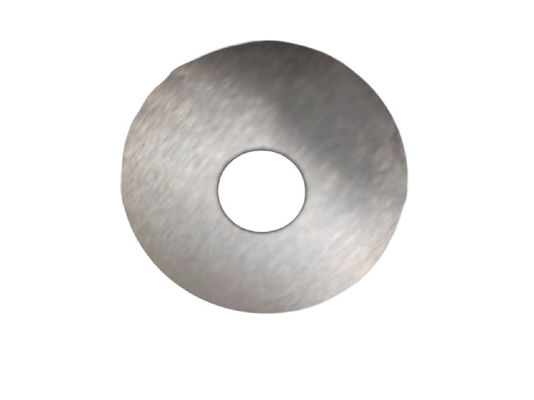
The solution may lie in tungsten carbide circular saw blades – the cutting-edge technology that combines industrial-grade efficiency with surgical precision. These blades function like master craftsmen, delivering clean cuts across various materials while offering exceptional durability.
Understanding Tungsten Carbide Circular Saw Blades
These specialized blades feature teeth tipped with tungsten carbide, a composite material created through powder metallurgy. This material combines hard compounds (typically tungsten or titanium carbide) with a metal binder (usually cobalt), resulting in extraordinary hardness, wear resistance, bending strength, and heat tolerance.
These properties allow carbide-tipped blades to maintain sharpness, resist wear, withstand high temperatures, and deliver consistent performance – producing cleaner, more precise cuts with greater efficiency.
Comparative Advantages Over Traditional Blades
Materials and Manufacturing
Traditional blades typically use high-carbon or alloy steels, offering moderate strength but limited hardness and wear resistance. Their manufacturing involves simpler processes like stamping or milling. In contrast, carbide blades combine premium alloy steel bodies with carbide tips through complex processes including powder mixing, pressing, and high-temperature sintering.
Cutting Performance
Where conventional blades struggle with precision, often producing rough edges and chipping, carbide blades deliver smooth finishes with minimal burring. Their cutting efficiency remains consistently high, reducing blade change frequency while preventing material deformation or burning.
Durability and Longevity
Standard blades wear quickly, especially under heavy use, requiring frequent replacement that increases costs and downtime. Carbide blades demonstrate remarkable wear resistance, maintaining performance through demanding applications and dramatically reducing replacement needs.
Material Versatility
While traditional blades work acceptably with soft materials like wood or plastic, they falter with metals or stone. Carbide blades handle diverse materials effectively, with specialized tooth configurations available for different cutting requirements.
Cost Efficiency
Though carbide blades carry higher initial costs, their extended service life and superior performance translate to lower long-term expenses compared to frequently replaced conventional blades.
Core Performance Advantages
Precision Cutting
The exceptional hardness of carbide teeth prevents deformation during cutting, maintaining accurate cutting paths. Precision-ground edges produce clean cuts with minimal burring, while excellent heat dissipation prevents material distortion. Rigid alloy steel bodies ensure stable rotation without vibration.
This precision proves invaluable for detailed woodworking, metal fabrication, or any application demanding exact dimensions and flawless edges.
Extended Service Life
Carbide blades outlast conventional alternatives by factors of 20 or more in some applications. Their wear-resistant teeth maintain sharpness through prolonged use, while impact resistance prevents chipping. Heat tolerance allows sustained high-speed cutting without degradation.
Cleaner Operation
Sharp carbide teeth generate significantly less dust and debris compared to conventional blades. Precise cutting reduces material waste and associated particulate, while stable operation minimizes vibration-induced dust. This creates safer, cleaner workspaces with reduced respiratory hazards.
Optimizing Blade Performance
Speed Adjustment
Carbide blades perform best at lower RPMs than abrasive wheels. Proper speed selection prevents overheating while maintaining cutting efficiency. Excessive speed accelerates wear, while insufficient speed reduces productivity.
Proper Selection
Blade specifications should match the intended material and cutting requirements. Specialized designs exist for different metals, woods, and other materials.
Correct Installation
Secure, proper installation prevents dangerous blade movement or ejection. Always verify blade condition before installation and confirm correct rotation direction.
Coolant Application
When cutting metals, appropriate coolants reduce heat buildup, extending blade life. Coolant type should match the material being cut.
Maintenance Practices
-
Regular cleaning removes accumulated debris
-
Periodic tooth inspection identifies wear or damage
-
Professional sharpening restores dulled edges
-
Proper storage prevents moisture damage
Safety Considerations
Essential protective measures include:
-
Impact-resistant eyewear
-
Hearing protection
-
Cut-resistant gloves
-
Appropriate work clothing
-
Maintained workspace cleanliness
Tungsten carbide circular saw blades represent a superior cutting solution for professionals and serious DIY enthusiasts alike. Their combination of precision, durability, and material versatility makes them invaluable tools for demanding applications across industries.


 Your message must be between 20-3,000 characters!