In the world of industrial production, certain components silently endure extreme wear, high temperatures, and corrosion while serving as the foundation for efficient machinery operation. Imagine mining without high-hardness drill bits or manufacturing precision parts without specialized molds—productivity would plummet. These behind-the-scenes champions are hard metal wear parts. But what exactly are they, and why do they excel under demanding conditions? This article examines their definition, characteristics, applications, and advantages.
Hard Metal Wear Parts: Definition and Composition
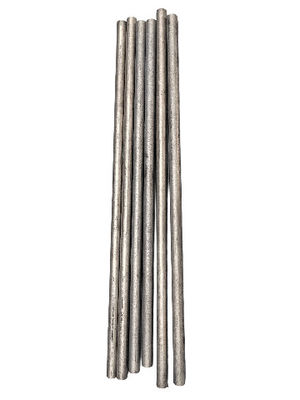
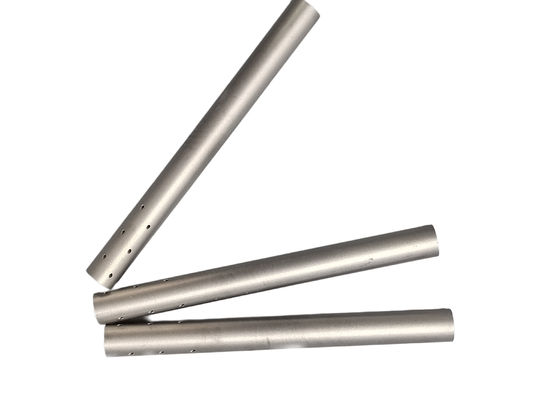
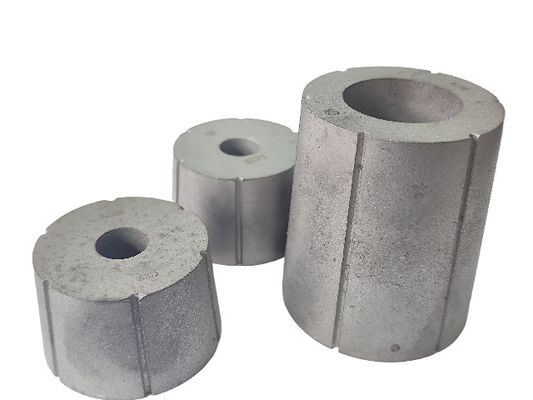
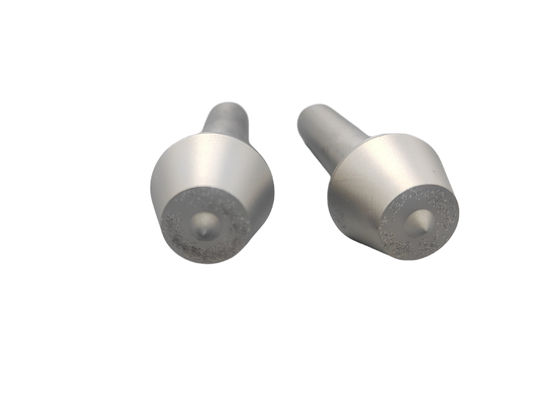
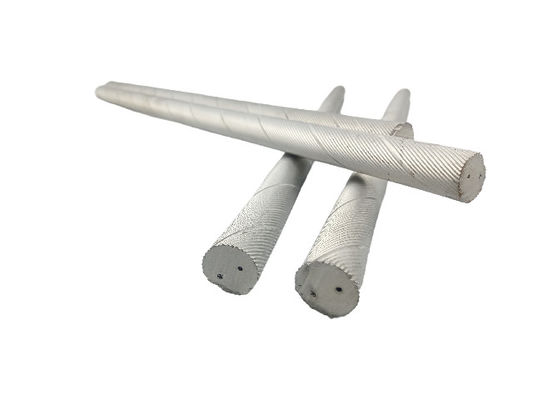
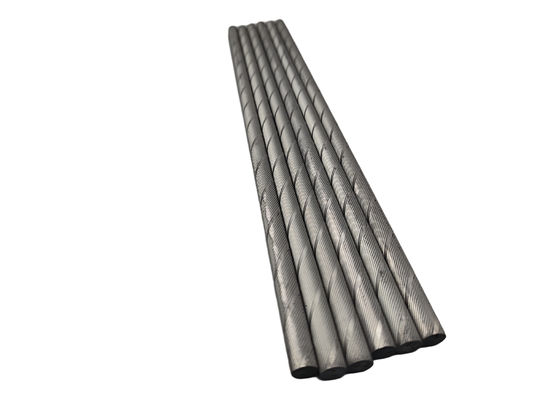
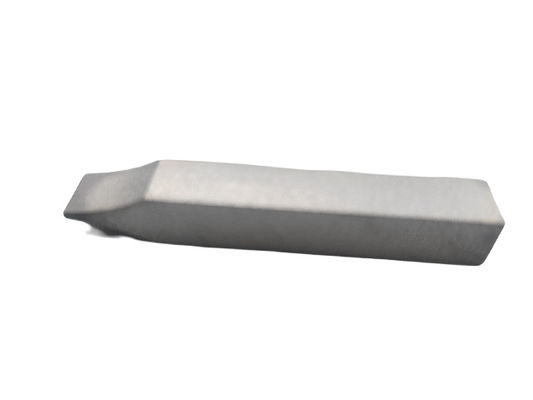
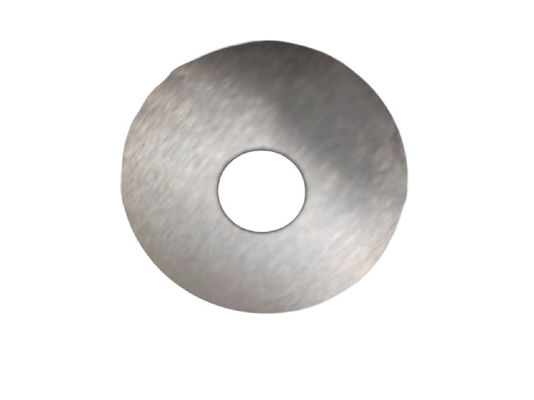
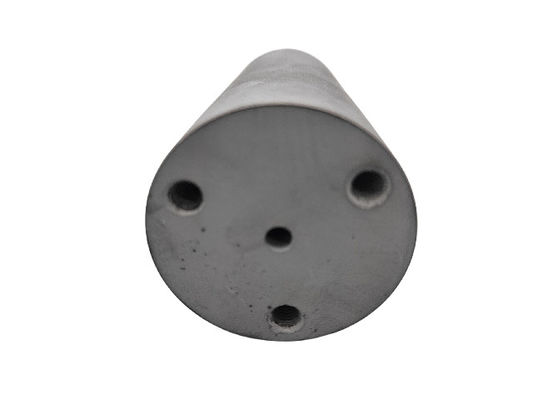
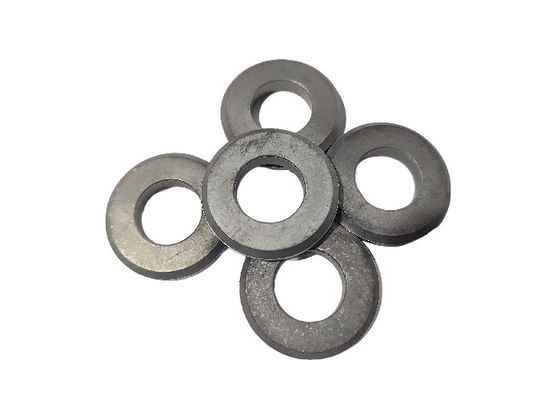
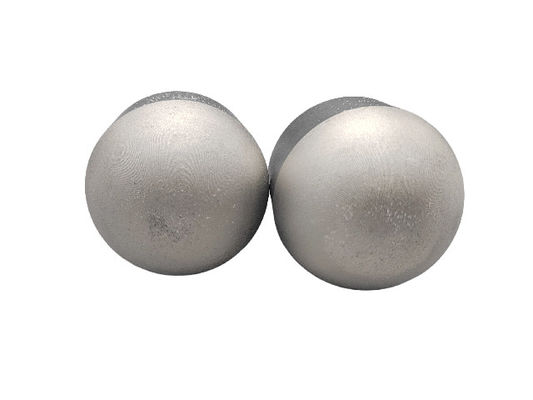
Hard metal wear parts, as the name suggests, are mechanical components and mold parts manufactured from hard metal materials designed to resist wear. These parts come in numerous varieties with wide-ranging applications, including drill bits, cutting tools, mining equipment, grinding wheels, bushings, stamping mold components, drawing dies, cold heading dies, washers, bearings, nozzles, rollers, spheres, and sealing rings.
Hard metal isn't a single metallic element but rather a powder metallurgy product composed primarily of refractory metal carbides (such as tungsten carbide or titanium carbide) bonded together with metallic binders (typically cobalt or nickel).
This unique composite structure gives hard metal its exceptional properties, making it ideal for wear-resistant components. The carbides provide extreme hardness and outstanding wear resistance, while the metallic binder offers toughness and strength to prevent brittle fracture. By adjusting carbide types, particle sizes, and binder ratios, manufacturers can customize hard metals for specific performance requirements.
Key Characteristics and Advantages
Hard metal wear parts maintain their industrial importance due to several exceptional properties:
-
Superior Wear Resistance: The most prominent feature, allowing these parts to maintain excellent performance under high-speed, high-temperature, and high-pressure conditions, significantly extending equipment lifespan while reducing maintenance costs.
-
Exceptional Hardness: Typically measuring above HRA80 on the hardness scale—far exceeding standard steel—this enables efficient machining of hard materials while maintaining tool sharpness.
-
High-Temperature Performance: Maintains mechanical properties and dimensional stability even during high-temperature cutting or molding processes.
-
Corrosion Resistance: Offers excellent resistance to corrosion and oxidation, making these parts suitable for harsh environments.
-
Strength and Toughness: Adjustable composition and manufacturing processes allow for various strength-toughness combinations to withstand heavy loads and impacts.
Widespread Industrial Applications
Cutting Tools
Essential for modern manufacturing, hard metal tools are used in turning, milling, drilling, and boring operations to efficiently machine various metals and non-metals.
Molds
Hard metal molds play vital roles in forming processes like stamping, drawing, and cold heading, withstanding high pressure, temperature, and wear while maintaining dimensional accuracy.
Mining Equipment
Drill bits, picks, and other mining tools made from hard metal efficiently break rock and coal, directly impacting mine productivity and safety.
Wear-Resistant Components
Used in various machinery to enhance durability, including bearings, bushings, and seals that operate reliably under extreme conditions.
Energy Sector
In oil and gas exploration, hard metal parts endure the abrasive underground environment in drill bits, valves, and pump components.
Medical Devices
The material's sharpness and corrosion resistance make it suitable for surgical instruments and dental tools requiring precision.
Material Selection and Manufacturing
The performance of hard metal wear parts depends on their composition, microstructure, and production processes. Key considerations include:
-
Operating Conditions: Different applications require specific properties—high-temperature resistance for certain cutting operations or enhanced toughness for impact-heavy environments.
-
Material Composition: Carbide types, particle sizes, and binder content all influence the final product's characteristics.
-
Production Techniques: Powder mixing, pressing, sintering, and post-processing parameters critically affect quality.
-
Surface Treatments: Coatings or other treatments can further enhance wear resistance, corrosion protection, or fatigue life.
Future Developments
Emerging trends in hard metal technology include:
-
Enhanced Performance: Development of nano-structured, gradient, or self-lubricating hard metals for improved properties.
-
Precision Engineering: Advanced forming and machining techniques for greater accuracy and consistency.
-
Material Hybridization: Combining hard metals with other materials to achieve superior characteristics.
-
Smart Components: Integration of sensors and control systems for real-time performance monitoring.
As industrial demands evolve, hard metal wear parts continue to advance, offering increasingly reliable and efficient solutions for modern manufacturing challenges.


 Your message must be between 20-3,000 characters!