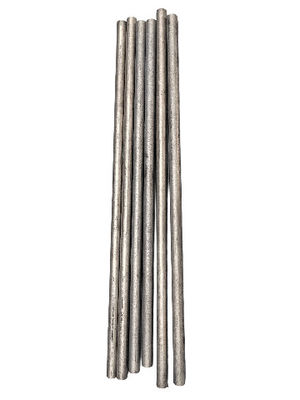
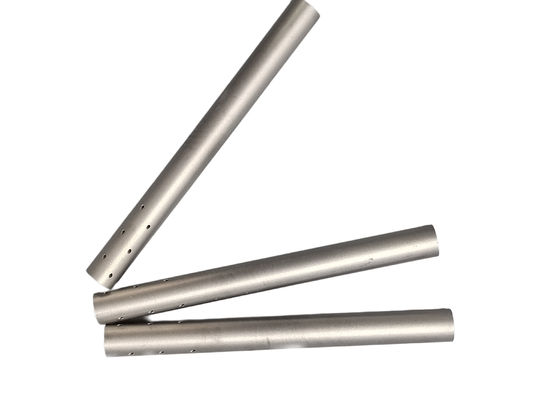
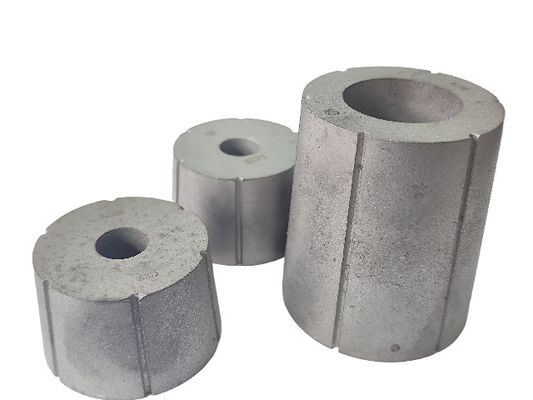
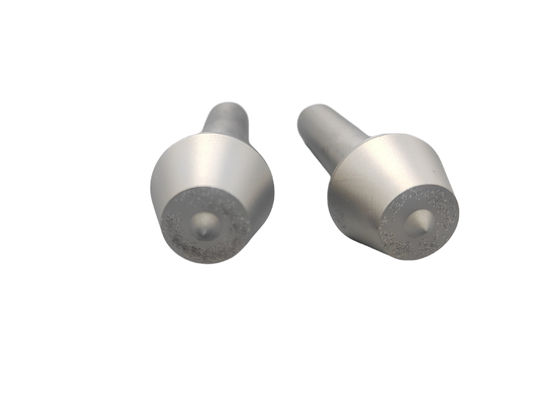
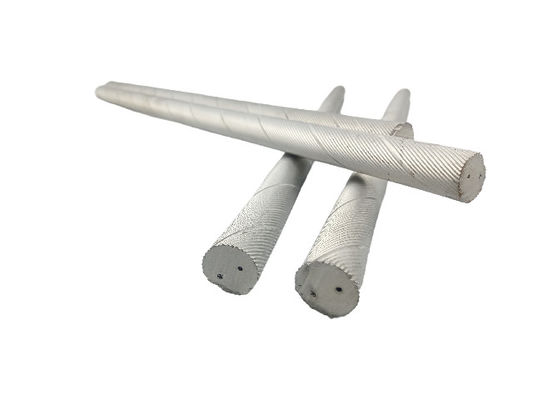
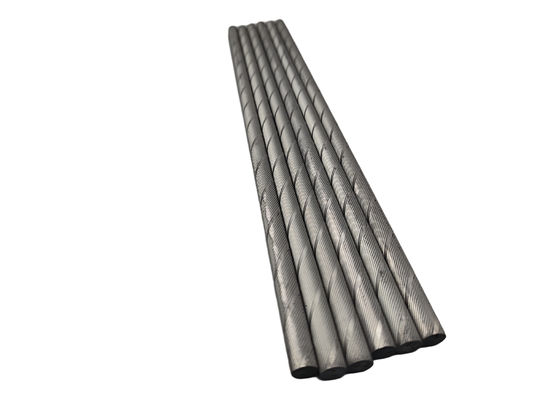
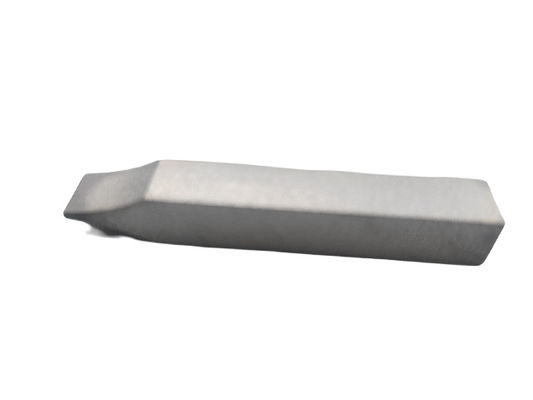
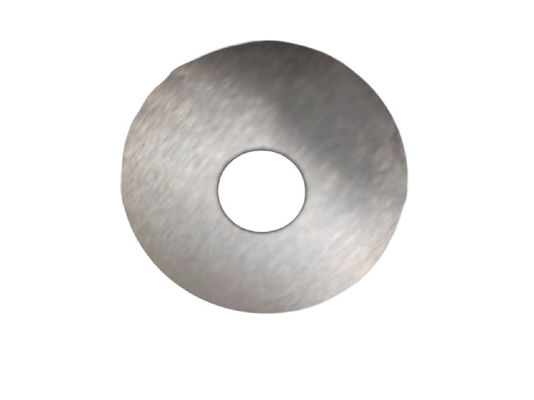
Milling cutters are rotary cutting tools extensively used in metalworking, woodworking, and material removal processes. These tools achieve desired shapes, dimensions, and surface finishes through high-speed rotation and precise cutting edges. As indispensable components in CNC machines, their performance directly impacts machining accuracy, efficiency, and cost.
Historical Evolution
The history of milling cutters traces back to the early 19th century during the Industrial Revolution, when demand for high-precision metalworking surged. Early versions primarily used high-carbon steel, but limitations in hardness and wear resistance prompted the development of carbide alternatives, which now dominate modern manufacturing.
Classification Systems
1. By Structural Design
-
Solid Milling Cutters: Monolithic construction from carbide or high-speed steel offers superior rigidity for precision work.
-
Brazed Cutters: Tungsten carbide tips welded to steel bodies provide cost-effective versatility.
-
Indexable Cutters: Replaceable inserts with mechanical clamping systems reduce tooling expenses through reusable bodies.
2. By Functional Application
-
End Mills: Versatile tools with cutting edges on the tip for facing, profiling, and pocketing operations.
-
Ball Nose Cutters: Spherical tips enable complex 3D contouring for mold making.
-
Specialty Cutters: Includes T-slot, dovetail, and angular cutters for specific joint configurations.
3. By Material Composition
-
High-Speed Steel (HSS): Economical option for soft materials with moderate tool life.
-
Carbide: Superior hardness for machining hardened steels and cast irons.
-
Advanced Materials: Ceramic, CBN, and diamond cutters address specialized applications in high-temperature or non-ferrous machining.
4. By Surface Treatments
Modern coatings significantly enhance performance:
-
TiN (Titanium Nitride): Gold-colored general-purpose coating
-
TiAlN (Aluminum Titanium Nitride): High-temperature purple-gray coating
-
DLC (Diamond-Like Carbon): Ultra-low friction for non-metallics
Carbide Cutting Technology
Tungsten carbide tools revolutionized metalworking through their unique combination of tungsten carbide particles bonded with cobalt. This composition delivers:
-
Exceptional hardness (HRA88+) for machining hardened materials
-
Superior wear resistance for extended tool life
-
Excellent thermal stability for high-speed operations
-
High modulus of elasticity for vibration damping
Selection Methodology
Optimal cutter selection requires analysis of multiple parameters:
-
Workpiece material characteristics
-
Required machining operations
-
Cutting parameter optimization
-
Flute count considerations (2-flute for efficient material removal vs. multi-flute for finish quality)
-
Tool geometry and dimensional requirements
Advanced Tooling Solutions
Premium tool manufacturers employ innovative approaches:
-
Micro-grain carbide substrates for enhanced toughness
-
Specialized helix angles for improved chip evacuation
-
Reinforced corner geometries for edge durability
-
Precision-balanced designs for high-RPM stability
Operational Best Practices
Maximizing tool performance involves:
-
Precise parameter selection based on material properties
-
Proper coolant application strategies
-
Regular tool inspection and maintenance protocols
-
Correct machine tool setup and fixturing
Industry Trends
Emerging developments include:
-
Nanostructured tool materials
-
Smart tools with embedded sensors
-
Application-specific tool geometries
-
Sustainable manufacturing processes
As manufacturing technologies advance, milling cutters continue to evolve, enabling higher precision, greater efficiency, and expanded capabilities across industrial applications.


 Your message must be between 20-3,000 characters!