In demanding high-temperature and high-wear environments, material selection becomes critical. High-speed steel (HSS) and tungsten steel, both renowned for their heat and wear resistance, frequently appear on engineers' and designers' shortlists. This analysis examines their distinct characteristics, advantages, and limitations to facilitate optimal material selection.
Composition and Fundamental Differences
High-speed steel represents a category of tool steel alloys characterized by exceptional hardness, wear resistance, and thermal stability. These alloys typically contain 10% to 25% alloying elements including molybdenum, chromium, vanadium, cobalt, and tungsten. Different HSS grades feature varying combinations and concentrations of these elements, resulting in distinct performance profiles.
Tungsten steel, as the name implies, incorporates tungsten as its primary alloying element. Tungsten significantly enhances hardness, strength, wear resistance, toughness, heat resistance, and corrosion resistance. Notably, tungsten steel maintains its superior hardness and wear resistance even at temperatures exceeding 500°C.
The two materials share some common ground. Many HSS alloys with high tungsten content exhibit characteristics of both materials, often referred to as tungsten high-speed steels. These combine the heat and wear resistance of HSS with tungsten steel's hardness and strength.
However, not all HSS contains substantial tungsten. Some classifications specifically denote molybdenum-series HSS, typically containing 3.75% to 10.5% molybdenum and 10% or less tungsten. Tungsten HSS contains at least 12.38% tungsten and 1% or less molybdenum (e.g., T1 steel contains no molybdenum). Conversely, some tungsten steels fall outside the HSS classification.
HSS Classification: Molybdenum vs. Tungsten Series
HSS divides into two primary categories based on dominant alloying elements, each with distinct performance characteristics:
Molybdenum-Series HSS
-
Excellent wear resistance and toughness
-
Reduced deformation during heat treatment compared to tungsten HSS
-
Generally more cost-effective
-
Superior grindability for complex shapes
-
Lower heat resistance limits high-speed cutting applications
Tungsten-Series HSS
-
Exceptional hardness and heat resistance
-
Maintains hardness at elevated temperatures
-
Enhanced secondary hardening and temper resistance
-
Greater brittleness and fracture susceptibility
-
Higher material and processing costs
Material Selection Strategy
Key considerations for optimal material selection include:
-
Application requirements:
Tungsten HSS suits high-load, high-temperature applications like high-speed cutting tools, while molybdenum HSS better serves cold-work dies requiring wear resistance and toughness.
-
Performance priorities:
Higher tungsten content increases hardness, while molybdenum enhances toughness.
-
Economic factors:
Tungsten HSS typically carries higher material costs.
-
Manufacturing capabilities:
Tungsten HSS presents greater machining challenges.
Generally, molybdenum HSS proves more suitable for cold-work, high-wear, and extreme-speed applications, while tungsten HSS excels in high-temperature environments. For cutting tools requiring extended service life, tungsten HSS often represents the superior choice, though cost considerations may favor molybdenum alternatives in many cases.
Ultimately, specific alloy grade characteristics typically outweigh series classification. Thorough examination of individual alloy specifications remains essential for final decision-making.
Common HSS Grades: M-Series vs. T-Series
The HSS classification system includes numerous grades, with M-series (molybdenum) and T-series (tungsten) being most prevalent.
M-Series HSS
Common grades include M2, M3, M4, M7, and M42. M2-M4 offer balanced wear resistance and grindability, while M7 and M42 serve construction equipment and metal fabrication applications. Powder metallurgy versions (PM M4, PM M48) deliver extended tool life compared to conventional grades.
T-Series HSS
Primary grades include T1, T4, and T15, with PM T15 exhibiting particularly high wear resistance, impact toughness, and bending strength.
Detailed Characteristics of Common HSS Grades
M2 HSS
A versatile molybdenum HSS with balanced hardness, wear resistance, and toughness. Widely used for drills, milling cutters, taps, cold-work dies, and measuring tools.
M3 HSS
Features increased carbon and vanadium content versus M2, enhancing hardness and wear resistance for precision cutting tools and dies.
M4 HSS
Further elevates carbon and vanadium content for ultra-high precision and wear resistance applications.
M7 HSS
Tungsten-containing molybdenum HSS with excellent wear and heat resistance for high-temperature cutting tools and hot-work dies.
M42 HSS
Cobalt-enhanced molybdenum HSS with extreme hardness and heat resistance for high-speed cutting and difficult-to-machine materials.
PM M4 & PM M48 HSS
Powder metallurgy versions delivering superior hardness, wear resistance, and toughness for high-performance tools.
PM T15 HSS
Powder metallurgy tungsten HSS with exceptional hardness, wear resistance, and heat resistance for demanding cutting applications.
Future Development Trends
-
Enhanced performance:
Optimized compositions and advanced manufacturing for improved hardness, wear/heat resistance, and toughness.
-
Composite materials:
Integration with ceramics and carbides for superior combined properties.
-
Microstructural refinement:
Powder metallurgy and rapid solidification techniques for finer grain structures.
-
Smart tooling:
Sensor and control system integration for intelligent monitoring and process optimization.
Common Supply Forms
-
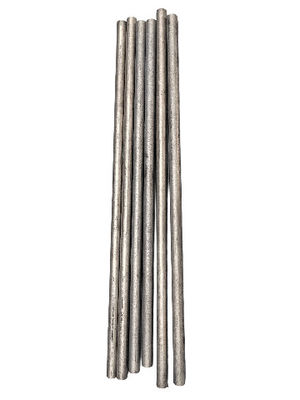
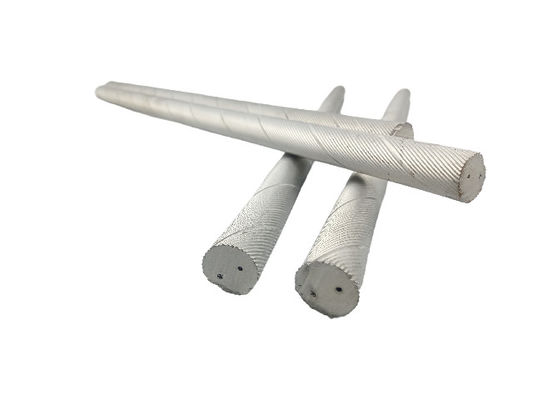
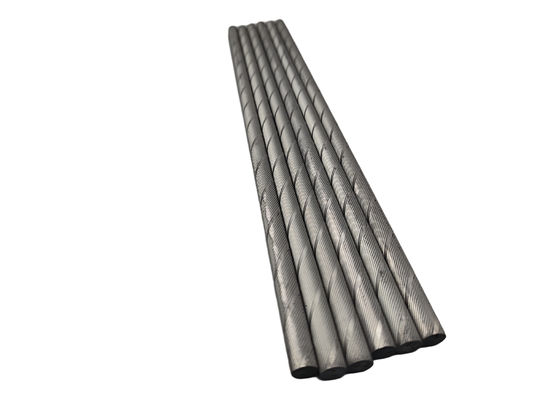
Round bars (cutting tools)
-
Flat bars (dies, measuring tools)
-
Square bars (general tooling)
-
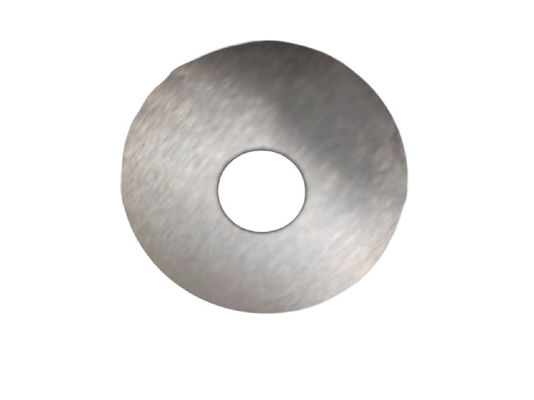
Plates (large dies/components)
-
Blocks (complex shapes)
-
Pre-hardened bars (ready-to-use tooling)
-
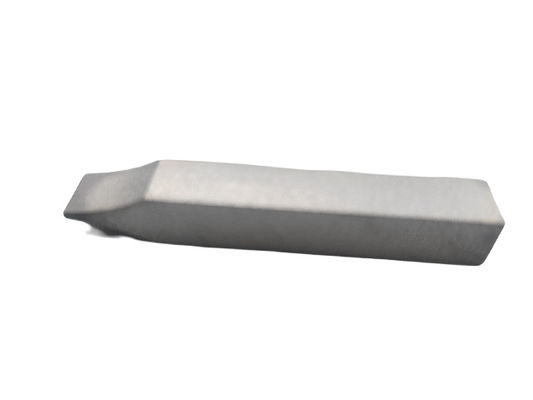
Tool bits (welded cutting edges)
-
Powder metallurgy plates (enhanced properties)
Appropriate form selection improves material utilization, reduces processing costs, and enhances final product performance.


 Your message must be between 20-3,000 characters!