In metalworking shops, time equals money. Every moment a drill stands idle, every tool change required, these all silently erode profit margins. The solution for maintaining precision while dramatically improving drilling efficiency and reducing production costs may lie in selecting the appropriate carbide drill bit.
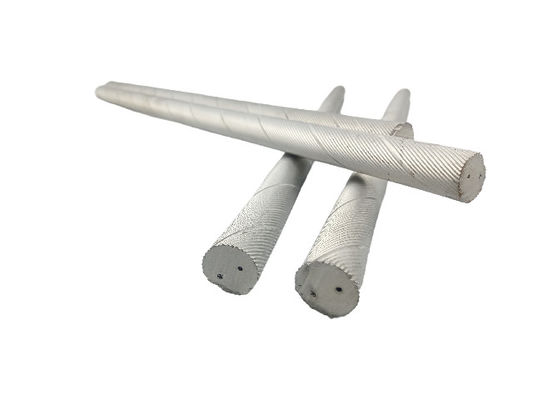
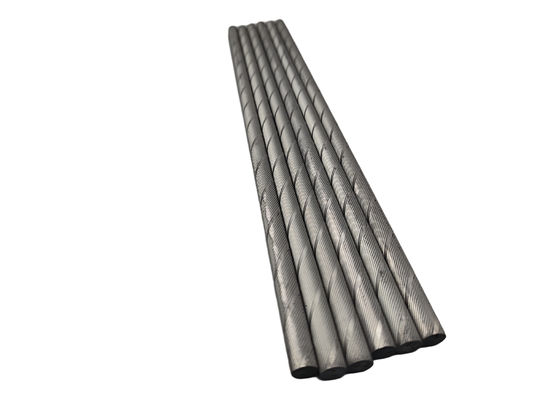
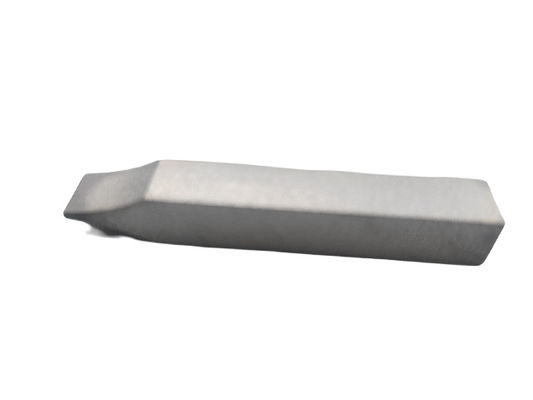
Carbide drill bits, made from tungsten carbide material, play a crucial role in cutting various materials due to their exceptional performance. From carbon steel to heat-resistant alloys, carbide bits deliver reliable results. Their core advantage stems from the material's extreme hardness and ability to maintain that hardness even in high-temperature environments. Typically composed of tungsten carbide with cobalt as a binder, these bits may include additional components like titanium carbide for specific applications.
Carbide vs. High-Speed Steel Drill Bits: Performance Comparison
In metalworking, high-speed steel (HSS) and carbide drill bits represent the two most common options. The choice between them depends on specific machining requirements, including processing time and cost considerations.
Advantages of Carbide Drill Bits
Carbide bits excel in wear resistance and high-speed cutting applications:
-
Superior Wear Resistance:
Carbide bits demonstrate significantly better wear resistance than HSS bits. While HSS incorporates elements like tungsten, chromium, and cobalt to improve durability, carbide outperforms in this regard. This translates to longer tool life under identical conditions, reducing tool change frequency and lowering production costs.
-
High-Speed Cutting Capability:
Carbide maintains its hardness at elevated temperatures. During high-speed cutting, friction generates heat, yet carbide bits preserve their cutting performance without softening or deforming. In contrast, HSS bits tend to lose hardness when heated, compromising both cutting efficiency and tool longevity.
Disadvantages of Carbide Drill Bits
Compared to HSS, carbide bits have two primary limitations:
-
Lower Toughness:
Carbide's relatively brittle nature makes it more prone to breakage under bending or vibration. Proper chip control becomes essential to prevent accumulation or entanglement that could cause impact damage. However, this same characteristic contributes to better drilling precision as the bit resists bending during operation.
-
Higher Cost:
The manufacturing process makes carbide bits more expensive than their HSS counterparts, which may concern some businesses regarding initial investment. Nevertheless, the extended service life and improved efficiency often result in lower total operating costs over time.
Common Types of Carbide Drill Bits
The two primary carbide bit categories are solid carbide bits and indexable insert bits.
-
Solid Carbide Bits:
These feature a single-piece construction from shank to cutting edge, ideal for small-diameter holes requiring high precision. Worn cutting edges can be reground to restore sharpness, extending tool life and reducing long-term costs.
-
Indexable Insert Bits:
Comprising a drill body with replaceable cutting inserts, these allow for quick insert changes rather than complete bit replacement. This design minimizes errors from tool wear and proves particularly cost-effective for large-diameter holes. Some models employ multiple inserts to further enhance efficiency and accuracy.
Selection Criteria for Carbide Drill Bits
Choosing the right carbide bit requires evaluating multiple factors including hole diameter, depth, precision requirements, and workpiece material.
Hole Diameter and Depth Considerations
Key points when selecting based on hole specifications:
-
Diameter:
Actual drilled holes typically measure slightly larger than the bit diameter due to installation accuracy, entry methods, and operational vibrations. These factors must be accounted for during selection to meet design specifications.
-
Depth:
Deep holes (exceeding ten times the diameter) require longer bits, which suffer from reduced stability and increased risk of breakage or deviation. Pilot holes can improve positional accuracy in such cases.
-
Precision (Tolerance):
Holes requiring tight fits usually need finishing processes like reaming or boring after drilling. Select slightly undersized bits to allow for these subsequent operations.
Workpiece Material Considerations
Material properties dictate both tool material selection and cooling requirements:
-
Material-Specific Tool Selection:
Different materials demand specific tool compositions. Manufacturers typically recommend tool grades based on material groups—P-grade for carbon steel, N-grade for aluminum alloys, for example.
-
Coolant-Fed Tools:
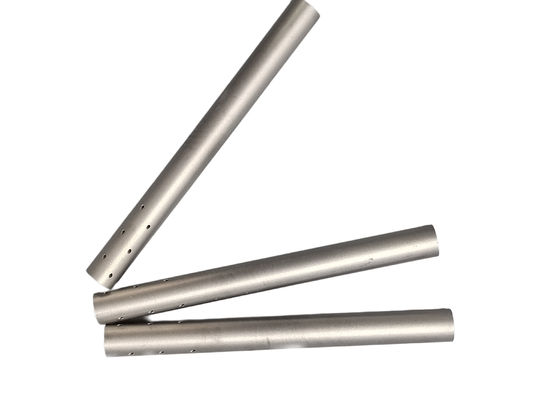
Materials like mild steel or aluminum often present chip evacuation challenges. Bits with coolant holes allow fluid injection during operation, effectively removing chips and minimizing processing interference.
Optimal Machining Conditions for Carbide Bits
Proper setup requires adjusting for tool length and chip evacuation:
-
Tool Length Adjustment:
As tool extension increases with hole depth, so does deflection. Cutting speed and feed rates must be adjusted accordingly.
-
Chip Evacuation:
Whether chips form as long strands or fragments, ensuring their smooth removal prevents entanglement that could disrupt the machining process.
Machining Parameters Reference
|
Workpiece Material
|
Cutting Speed (m/min)
|
Feed Rate (mm/rev)
|
|
Carbon Steel (S50C)
|
120
|
0.20
|
|
Stainless Steel (SUS430)
|
80
|
0.15
|
|
Titanium Alloy (Ti-6Al-4V)
|
40
|
0.15
|
|
Aluminum Alloy (A5052)
|
200
|
0.10
|
Selecting appropriate carbide drill bits and configuring optimal machining conditions based on material properties and processing requirements forms the foundation for efficient drilling operations that reduce costs while enhancing productivity.


 Your message must be between 20-3,000 characters!