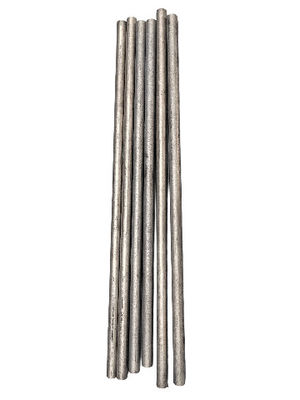
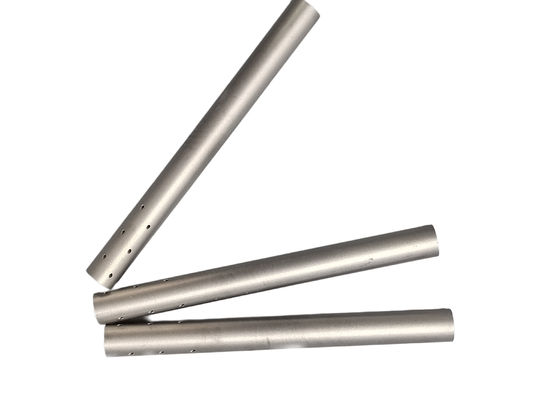
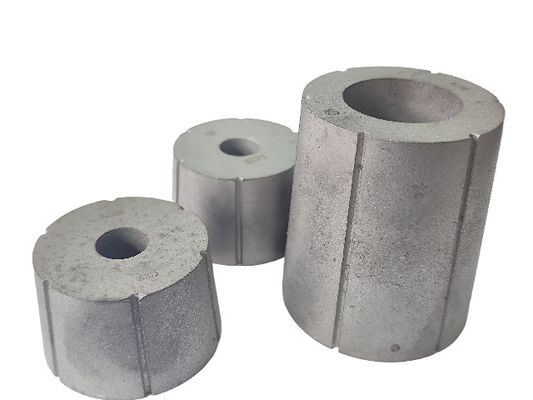
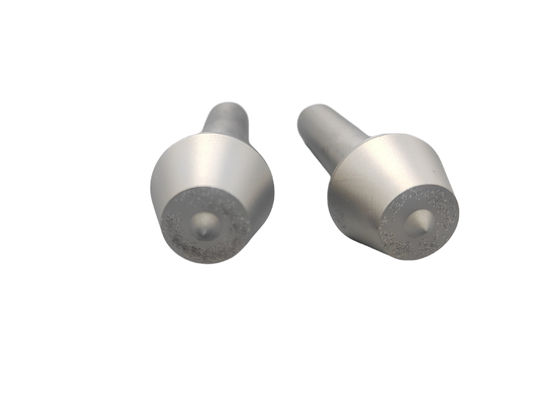
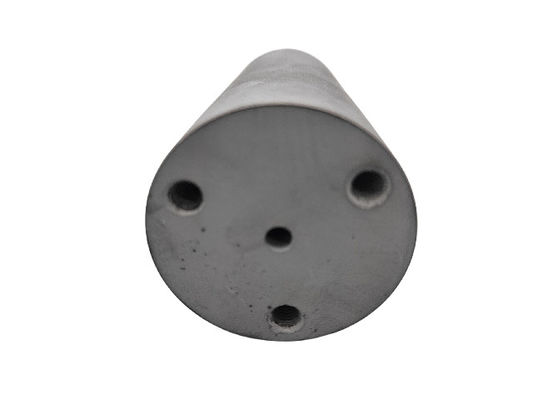
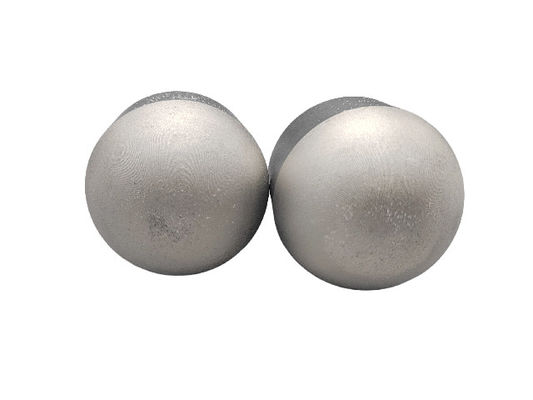
In manufacturing cost-reduction initiatives, procurement managers frequently encounter a critical dilemma: seemingly identical materials yield dramatically different performance outcomes. The selection of carbide cutting tools exemplifies this challenge. The simplistic assumption that "all carbide tools are equal" can lead to substantial production losses and frequent downtime. What appears as a minor decision carries significant financial implications.
1. Standard Hard Alloy Tools: Capabilities and Limitations
Standard hard alloy tools represent composite materials combining carbon matrices with various metallic elements including titanium, tantalum, and vanadium. These materials demonstrate superior hardness and wear resistance compared to conventional steel, while maintaining reasonable cost control, making them prevalent in general machining applications.
These tools occupy a middle ground between standard steel and premium cutting implements, offering balanced performance at controlled costs. Their mature manufacturing processes and competitive pricing contribute to widespread adoption in non-critical applications.
However, standard hard alloys exhibit inherent limitations. Their base material composition restricts maximum achievable hardness and wear resistance. In high-speed, high-wear, or continuous operation environments, performance degradation accelerates, leading to reduced tool life and diminished cutting quality. Thermal stability limitations further compromise precision during high-temperature cutting operations.
2. Tungsten Carbide Tools: Engineered for Performance
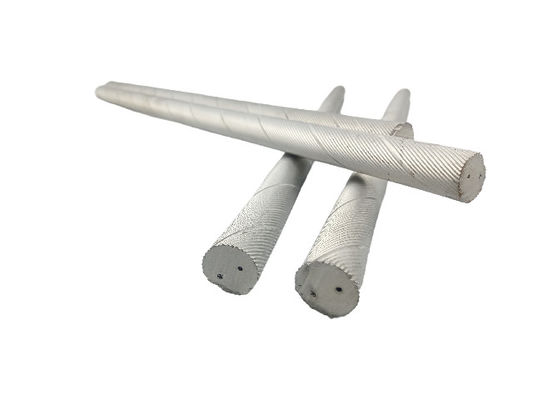
Tungsten carbide tools represent the pinnacle of cutting tool technology. The tungsten-carbon bond creates one of nature's hardest materials, approaching diamond hardness and far surpassing conventional tool steel. This exceptional hardness translates into measurable performance advantages across demanding applications.
The crystalline structure of tungsten carbide maintains integrity under extreme conditions. Where standard tools suffer rapid edge degradation from heat, pressure, and abrasion, tungsten carbide tools demonstrate remarkable resilience. This durability proves particularly valuable in continuous longitudinal cutting applications.
3. Hardness Metrics: Quantifying Performance Differences
Hardness measurements reveal substantial performance gaps. Standard hard alloys typically register 85-90 HRA (Rockwell Hardness), while tungsten carbide tools achieve 92-95 HRA. This hardness differential directly correlates with superior edge retention, enabling consistent geometric stability under cutting loads.
For operations involving abrasive materials or high rotational speeds, this edge retention capability prevents the gradual performance decline characteristic of standard tools. In precision applications demanding consistent cutting quality, tungsten carbide's hardness advantage becomes particularly significant.
4. Wear Resistance: Field Performance Validation
Laboratory hardness data only gains relevance through demonstrated operational improvements. Wear resistance serves as the critical differentiator between tool materials, particularly when processing filled polymers, recycled materials, or contaminated feedstocks.
Tungsten carbide tools exhibit exceptional toughness when machining challenging materials. Documented case studies report 300-500% lifespan improvements compared to standard tools, substantially altering maintenance schedules and operational costs.
5. Thermal Management: Extending Tool Life
High-speed cutting generates significant heat, and tool materials' thermal response directly impacts performance longevity. While standard tools perform adequately at moderate speeds, thermal stress compromises their effectiveness in high-heat conditions.
Tungsten carbide's superior thermal conductivity and heat resistance enable effective thermal management, particularly in continuous longitudinal cutting operations. These thermal properties help maintain edge integrity even under demanding conditions.
6. Economic Analysis: Comprehensive Cost Assessment
Standard hard alloy tools typically cost 30-50% less than tungsten carbide equivalents. However, this apparent savings often proves illusory when considering total operational expenditures.
Tungsten carbide's extended service life reduces direct replacement costs and associated indirect expenses. Many enterprises discover that despite higher initial investment, tungsten carbide tools deliver lower per-hour operating costs when accounting for improved cutting quality and consistency.
7. Application Matching: Strategic Selection
-
High-volume continuous production:
Tungsten carbide's longevity and consistency typically justify the investment
-
Abrasive material processing:
Tungsten carbide's wear resistance proves essential for filled polymers or contaminated materials
-
Quality-critical applications:
Operations requiring precise dimensional control benefit from tungsten carbide's edge retention
8. Implementation Strategy
-
Establish baseline performance metrics for current tooling
-
Evaluate both direct and indirect replacement costs
-
Conduct pilot testing in most demanding applications first
9. Conclusion
Cutting tool selection ultimately depends on aligning material capabilities with operational requirements. While standard hard alloys suffice for moderate applications, tungsten carbide's superior performance typically justifies its premium cost in demanding conditions. The key consideration involves looking beyond initial pricing to evaluate total operational costs and performance requirements.
Microstructural analysis reveals tungsten carbide's performance advantages derive from its refined grain structure and optimized cobalt binder distribution. Advanced manufacturing techniques including vacuum sintering and hot isostatic pressing further enhance material properties.
Industry applications demonstrate tungsten carbide's value across aerospace, automotive, mold manufacturing, and electronics sectors. Future developments in nanotechnology, advanced coatings, and intelligent tooling promise continued performance improvements.
Strategic tool selection requires comprehensive evaluation of material properties, operational needs, and economic factors. Through proper implementation and maintenance, tungsten carbide tools can significantly enhance manufacturing efficiency and product quality.


 Your message must be between 20-3,000 characters!