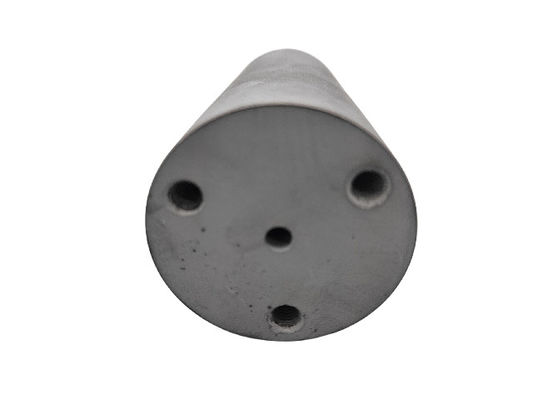
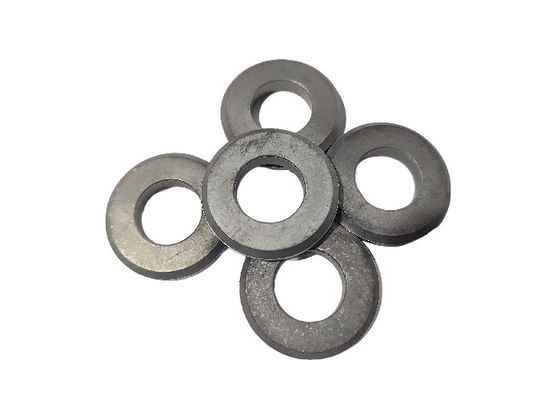
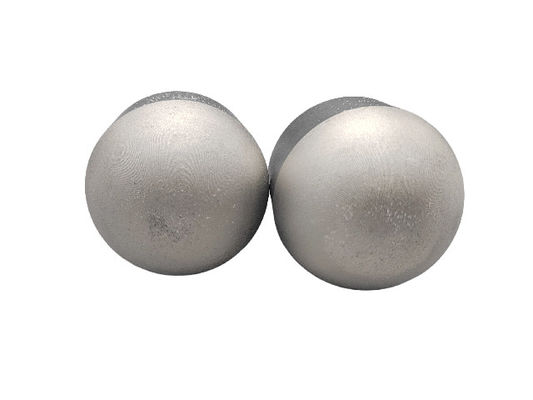
1. Composition: Decoding the Industrial Heavyweights
Tungsten: The Metal Titan
Tungsten (W), atomic number 74, is a silver-gray transition metal renowned for its exceptional density (19.3 g/cm³), melting point (3,422°C), and hardness (Mohs 7.5-8). These properties make it indispensable in applications requiring thermal stability and radiation shielding.
Tungsten Carbide: The Hardness Champion
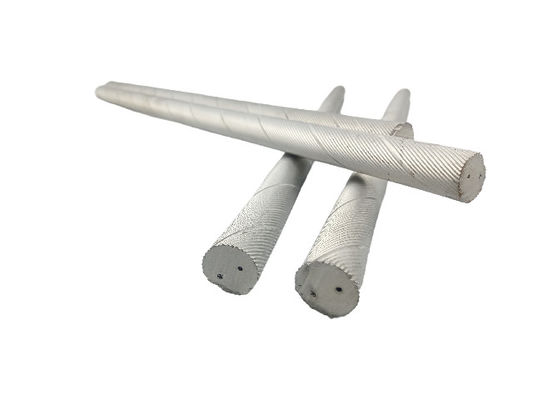
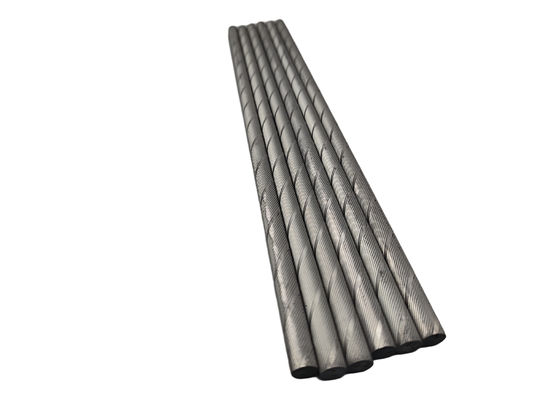
This compound (WC) forms through high-temperature sintering of tungsten and carbon powders. With a Mohs hardness of 9-9.5 (second only to diamond), it surpasses pure tungsten in wear resistance, making it ideal for cutting tools and industrial applications.
2. Hardness Comparison: The Ultimate Test
While tungsten's hardness (Mohs 7.5-8) already outperforms most metals, tungsten carbide's near-diamond hardness (Mohs 9-9.5) provides approximately 20% greater resistance to deformation and wear. This fundamental difference dictates their respective industrial roles.
3. Industrial Applications: Specialized Domains
Tungsten's Versatility
-
Alloy enhancement:
Critical component in high-speed steels (18-22% tungsten content) for cutting tools and dies
-
Electrical components:
Electrodes, contacts, and incandescent filaments due to high resistivity (5.6×10
-8
Ω·m)
-
High-temperature applications:
Rocket nozzles and furnace components withstand temperatures exceeding 2,000°C
-
Radiation shielding:
Effective attenuation of gamma rays (density comparable to gold)
Tungsten Carbide's Specialization
-
Cutting tools:
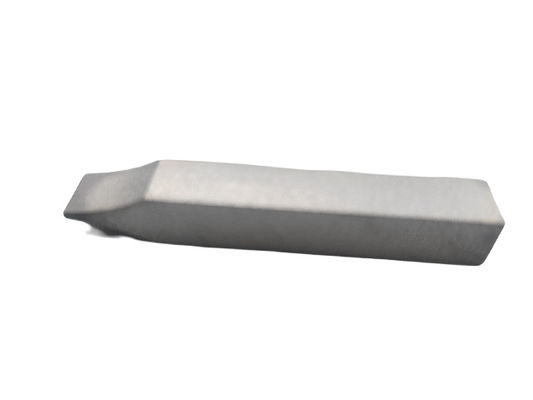
90% of modern metal cutting tools utilize tungsten carbide inserts
-
Wear parts:
Mining equipment (drill bits, crusher parts) with service life 3-5× longer than steel
-
Industrial components:
Nozzles, valves, and bearings in extreme environments
-
Petroleum tools:
Drill bits maintain sharpness at depths exceeding 5,000 meters
4. Physical Properties: Material Science Perspective
|
Property
|
Tungsten
|
Tungsten Carbide
|
|
Melting Point (°C)
|
3,422
|
2,870
|
|
Density (g/cm³)
|
19.3
|
15.6
|
|
Thermal Expansion (10
-6
/K)
|
4.5
|
5.2
|
5. Economic Considerations
While tungsten carbide commands a 30-50% price premium over pure tungsten due to complex manufacturing processes, its extended service life in industrial applications often results in lower total cost of ownership. For example, carbide cutting tools typically last 8-10× longer than high-speed steel alternatives.
6. Selection Guidelines
Material choice depends on operational requirements:
-
Choose tungsten for:
Extreme temperature stability, electrical applications, or radiation shielding
-
Opt for tungsten carbide when:
Maximum wear resistance, cutting performance, or component longevity are critical
The global market for these materials continues to grow, with tungsten carbide demand projected to increase 5.2% annually through 2028, driven by manufacturing and energy sector applications.


 Your message must be between 20-3,000 characters!