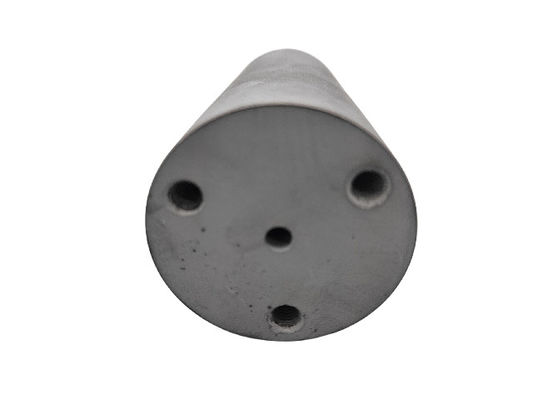
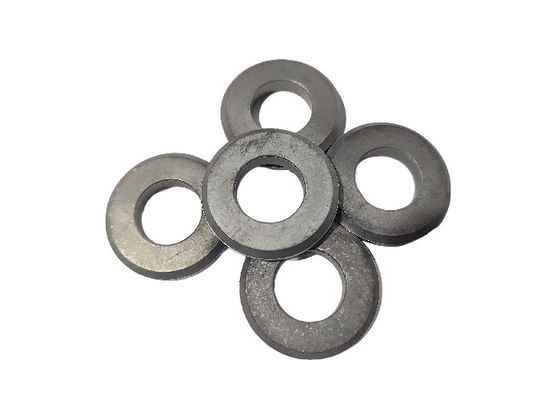
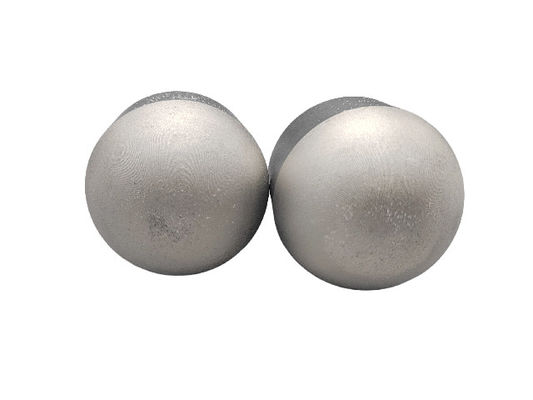
In the world of wedding jewelry, selecting a ring that can withstand the test of time is paramount. While tungsten rings have gained popularity for their durability, consumers often face confusion between "pure tungsten" and "tungsten carbide" options. This comprehensive analysis reveals the fundamental differences between these materials to help couples make informed decisions.
The Symbolism of Wedding Bands
Wedding bands transcend mere accessories, embodying love, commitment, and eternity. The ideal ring material must balance durability, aesthetics, and symbolic value. Tungsten rings have emerged as a preferred choice due to their exceptional hardness, high melting point, and corrosion resistance, earning them the reputation as "indestructible metals."
Understanding Pure Tungsten
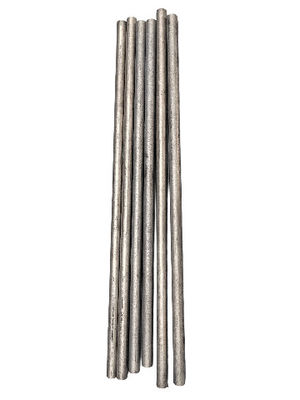
Tungsten (chemical symbol W, atomic number 74) is a naturally occurring metallic element renowned for its extraordinary properties. With the highest melting point of all metals (3,422°C/6,192°F) and remarkable density, pure tungsten appears dark gray and was first isolated in 1781 by Swedish chemist Carl Wilhelm Scheele.
Despite its impressive characteristics, pure tungsten presents significant manufacturing challenges:
-
Extreme brittleness and low ductility make shaping difficult
-
Prone to cracking and fracturing under stress
-
Requires alloying for practical jewelry applications
Tungsten Carbide: The Superior Alternative
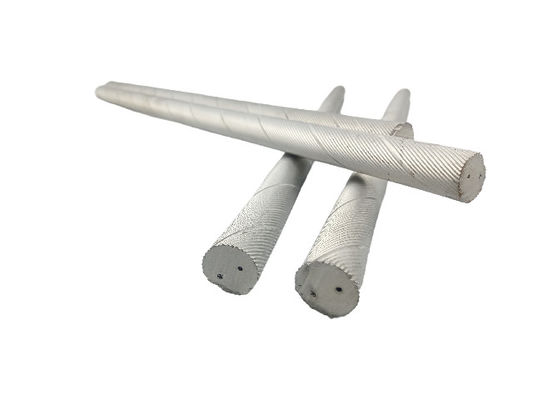
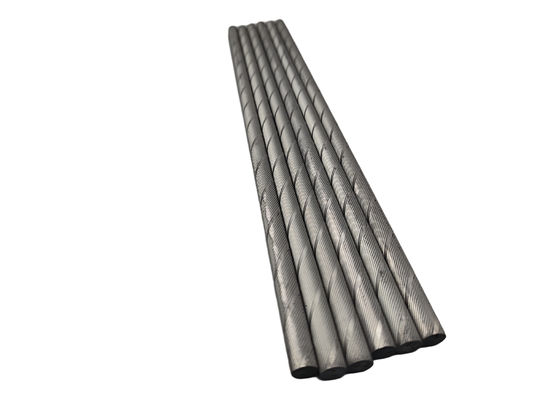
Tungsten carbide represents a technological advancement over pure tungsten. This engineered alloy combines tungsten powder with carbon (typically in equal molar ratios) and uses nickel or cobalt as binding agents. The manufacturing process involves:
-
Precise powder mixing
-
Mechanical milling for homogenization
-
High-pressure compaction
-
High-temperature sintering (1,400-1,600°C)
-
Precision finishing and polishing
Performance Comparison
The critical differences between these materials become apparent in direct comparison:
Hardness & Scratch Resistance:
Pure tungsten measures 7.5 on the Mohs scale, while tungsten carbide reaches 8-9 (approaching diamond hardness). This translates to superior scratch resistance for tungsten carbide rings.
Durability:
Tungsten carbide's composite structure provides enhanced fracture resistance compared to brittle pure tungsten.
Design Flexibility:
The alloy's improved workability allows for more intricate designs and finishes than pure tungsten permits.
Size Considerations:
Neither material permits resizing, requiring accurate initial measurements. However, tungsten carbide's dimensional stability ensures long-term fit consistency.
Maintenance and Care
While tungsten carbide rings require minimal maintenance, proper care ensures lasting beauty:
-
Clean with mild soap and soft cloth
-
Avoid harsh chemicals and abrasive cleaners
-
Store separately to prevent surface abrasion
-
Professional polishing can restore original luster if needed
Selection Considerations
-
Precise sizing (no resizing possible)
-
Binding agent selection (cobalt for nickel-sensitive wearers)
-
Surface finish preferences (high polish, brushed, etc.)
-
Potential gemstone accents
Technical Applications
-
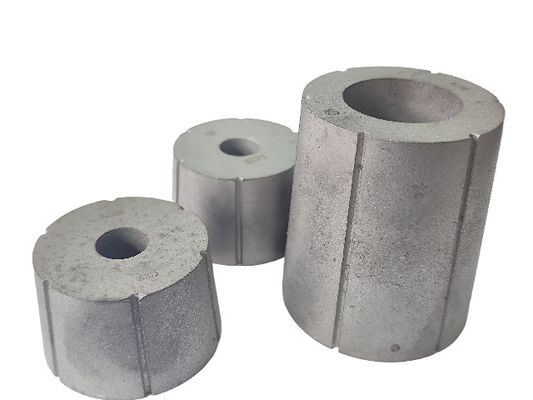
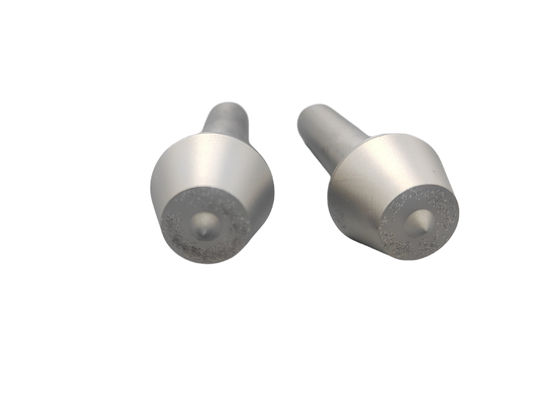
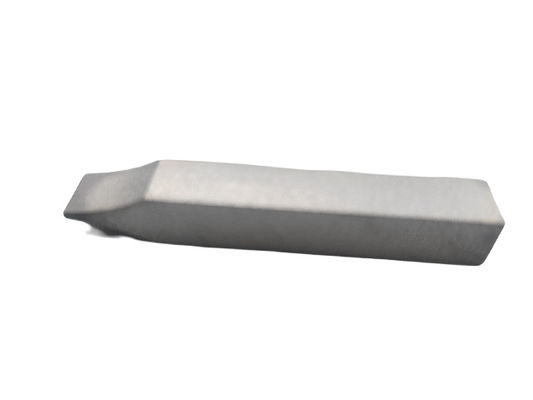
Cutting tools and machining inserts
-
Mold and die components
-
High-wear mechanical parts
-
Specialized sporting equipment
-
Medical and dental instruments
Future Developments
-
Nanostructured formulations for enhanced properties
-
Composite materials with improved thermal stability
-
Additive manufacturing techniques for complex geometries


 Your message must be between 20-3,000 characters!